
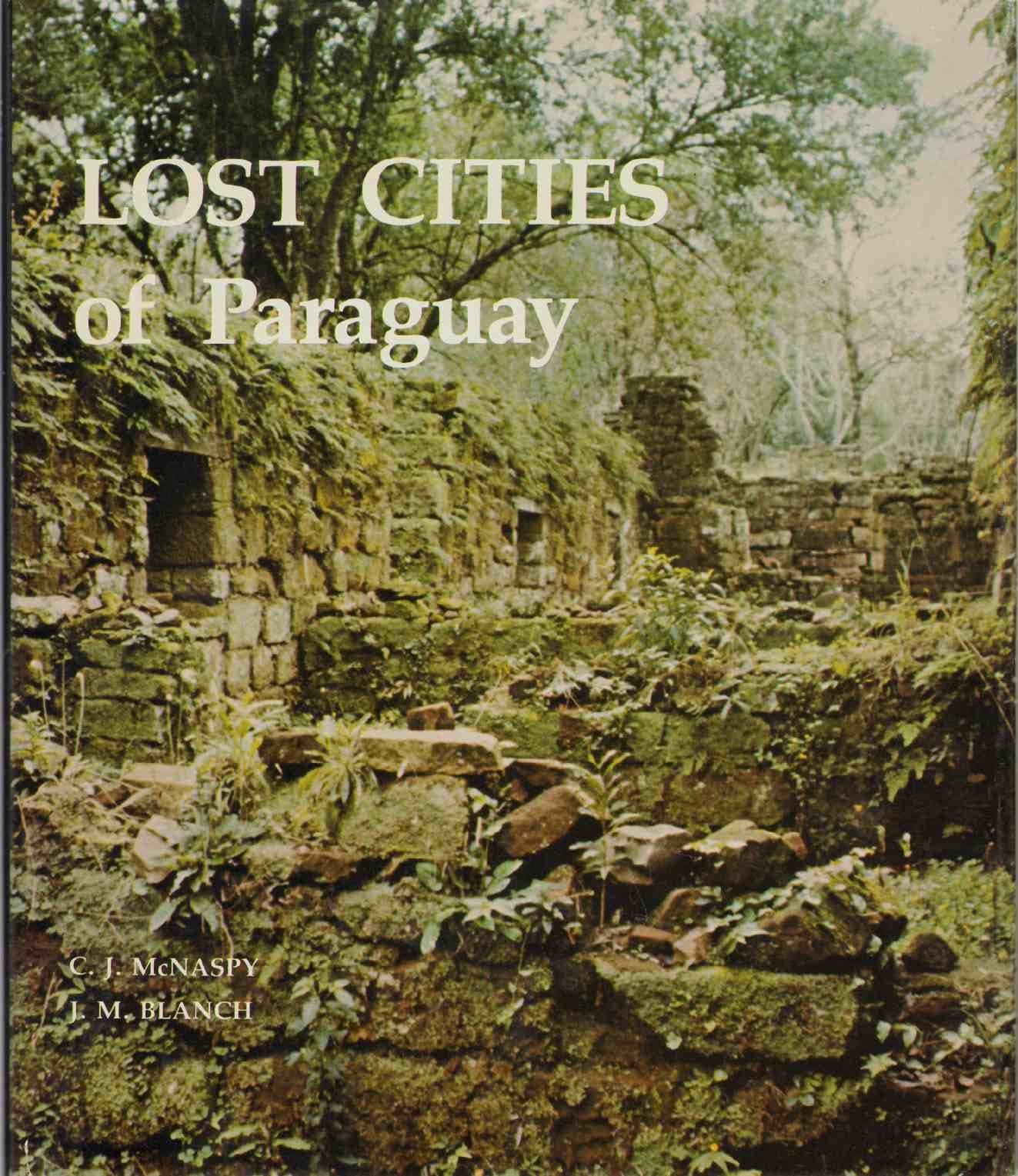
Lost Cities Of Paraguay: Art And Architecture Of The Jesuit Reductions, 16071767 (A Campion Book)
$47.24
Title
Lost Cities Of Paraguay: Art And Architecture Of The Jesuit Reductions, 16071767 (A Campion Book)
Free Standard Shipping Across USA
Quantity
Sold by Ergodebooks, an authorized reseller.
Returns accepted within 30 days | support@ergodebooks.com
Shipping Information
- Free Standard Shipping — United States only
- Processing Time: 3–5 business days
- Estimated Delivery: 6–10 business days after dispatch
- Double-boxed, fully insured & discreetly packaged
- Tracking number sent via email once dispatched
Returns & Refund
Returns accepted within 30 days of delivery.
Damaged or Defective Item
Free return shipping + replacement or full refund
Wrong Item Received
Free return shipping + replacement or full refund
Change of Mind
Return shipping at customer's expense · 25% restocking fee applies
All returns require a Return Authorization (RA) number before sending.
View Full Return & Refund Policy
Payment Option

Architecture From Paraguay 16071767
⚠️ WARNING (California Proposition 65):
This product may contain chemicals known to the State of California to cause cancer, birth defects, or other reproductive harm.
For more information, please visit www.P65Warnings.ca.gov.
- Q: How many pages does the book have? A: The book has one hundred fifty-nine pages. It provides a comprehensive exploration of Jesuit architecture in Paraguay.
- Q: What are the dimensions of the book? A: The book measures ten point twelve inches in length, eight point fifty-eight inches in width, and zero point seventy-one inches in height. This size makes it easy to handle and read.
- Q: What type of binding does the book have? A: The book is bound in hardcover. This binding type ensures durability and longevity for readers.
- Q: Who is the author of the book? A: The author of the book is C. J. McNaspy. He provides insights into the art and architecture of the Jesuit reductions.
- Q: What is the main subject of the book? A: The main subject of the book is the art and architecture of the Jesuit reductions in Paraguay from sixteen hundred seven to seventeen sixty-seven. It focuses on historical and cultural aspects.
- Q: Is this book suitable for academic purposes? A: Yes, this book is suitable for academic purposes. It serves as a valuable resource for students and scholars interested in architecture and history.
- Q: Can this book be used for casual reading? A: Yes, this book can be used for casual reading. Its engaging content makes it accessible for general readers interested in Paraguay's history.
- Q: Is there a specific audience for this book? A: Yes, the book is aimed at readers interested in architecture and history. It is particularly relevant for those studying Jesuit missions.
- Q: What is the recommended reading level for this book? A: The recommended reading level for this book is high school and above. Its detailed analysis caters to mature audiences.
- Q: How should I store this book to keep it in good condition? A: Store the book upright in a cool, dry place. Avoid direct sunlight to prevent damage to the cover and pages.
- Q: Can I clean the book if it gets dirty? A: Yes, you can clean the book gently. Use a soft, dry cloth to remove dust, avoiding any moisture that could damage the pages.
- Q: Is this book safe for children to read? A: While the book is not specifically targeted at children, it contains educational content that may be suitable for older teens. Parental guidance is recommended.
- Q: What if my book arrives damaged? A: If your book arrives damaged, contact the seller for a return or replacement. Ensure to keep the packaging for easier processing.
- Q: Is there a warranty or return policy for this book? A: Yes, there is typically a return policy for books. Check with the seller for specific terms regarding returns and refunds.
- Q: How does this book compare to others on the same topic? A: This book provides a unique focus on the Jesuit reductions in Paraguay, making it distinct. It may offer more detailed architectural analysis than general history books.
- Q: Are there illustrations or images in the book? A: Yes, the book includes illustrations and images that enhance the understanding of the architectural styles discussed. These visuals complement the text.