
Title
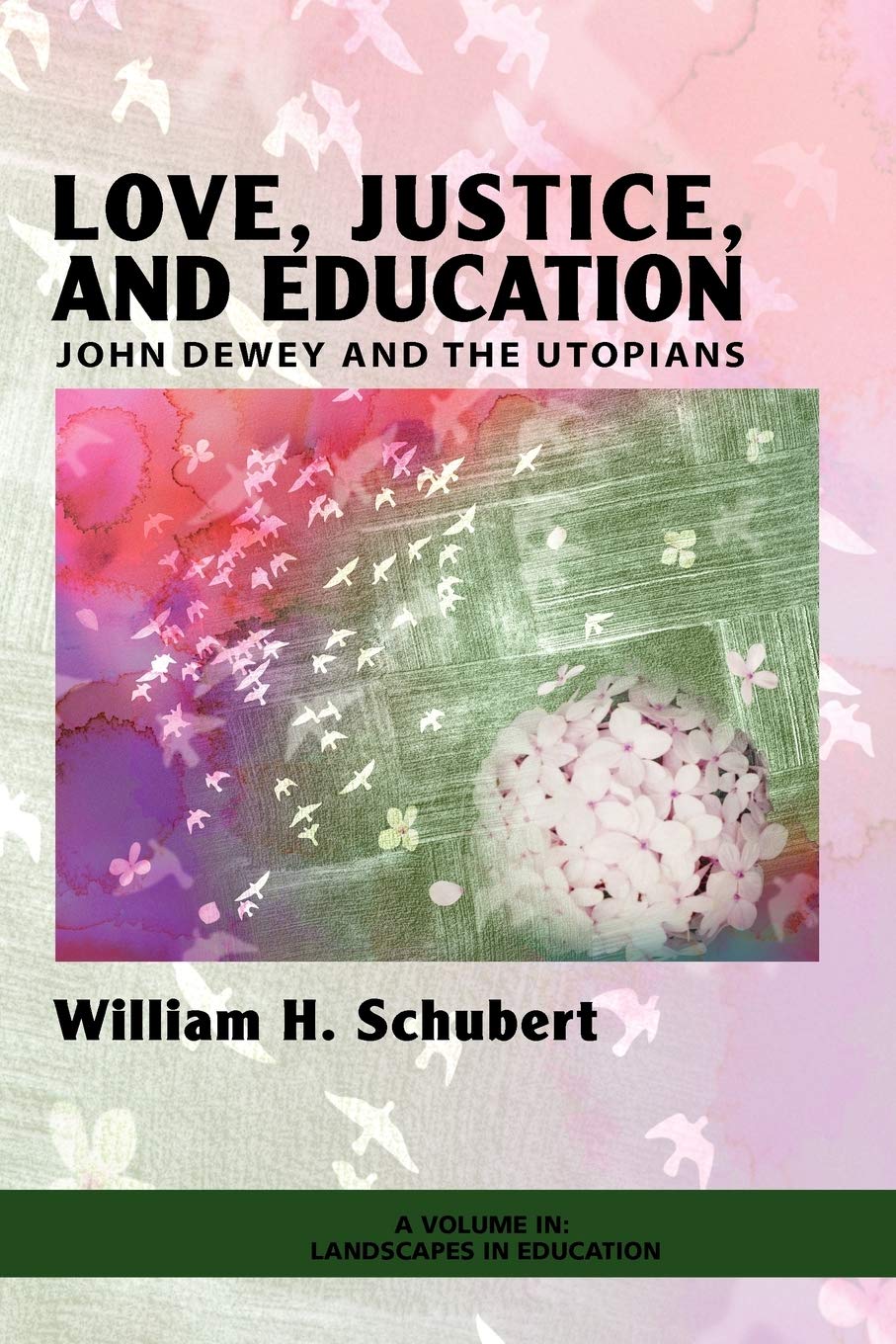
Love, Justice, And Education: John Dewey And The Utopians (Landscapes In Education)
Sold by Ergodebooks, an authorized reseller.
Returns accepted within 30 days | support@ergodebooks.com
Shipping Information
- Free Standard Shipping — United States only
- Processing Time: 3–5 business days
- Estimated Delivery: 6–10 business days after dispatch
- Double-boxed, fully insured & discreetly packaged
- Tracking number sent via email once dispatched
Returns & Refund
Returns accepted within 30 days of delivery.
Damaged or Defective Item
Free return shipping + replacement or full refund
Wrong Item Received
Free return shipping + replacement or full refund
Change of Mind
Return shipping at customer's expense · 25% restocking fee applies
Payment Option

Love, Justice, And Education By William H. Schubert Brings To Life Key Ideas In The Work Of John Dewey And Their Relevance For The World Today. He Does This By Imagining Continuation Of A Highly Evocative Article That Dewey Published In The New York Times In 1933. Dewey Wrote From The Posture Of Having Visited Utopia. Schubert Begins Each Of Thirty Short Chapters With A Phrase Or Sentence From Dewey'S Article, In Response To Which A Continuous Flow Of Utopians Consider What Is Necessary For Educational And Social Reform Among Earthlings. Schubert Encourages The Utopians, Who Have Studied Earthling Practices And Literatures, To Recommend From Their Experience What Earthlings Need For Educational And Social Reform And How They Can Address Obstacles To That Reform. The Utopians Speak To Myriad Implications Of Dewey'S Report By Drawing Upon A Wide Range Of Philosophical, Literary, And Educational Ideas Including Many Of Dewey'S Other Writings. Their Central Message Is That Loving Relationships And Empathic Dedication To Social Justice Are Necessary For Educational Reform That Responds Wholeheartedly To Learner Needs And Interests. True To Dewey'S Original Position, Such Education Must Be Built Upon Social Reform That Works To Overcome Acquisitive Society Based On Greed: The Principal Impediment To Realizing Human Potential, Democratic Society, And Educational Relationships That Enhance It. To Overcome The Debilitating Acquisitiveness That Plagues Earth Is The Challenge For Educators And All Human Beings Who Seek To Involve The Young In Composing Their Lives And Cultivating A World Of Integrity, Beauty, Justice, Love, And Continuously Evolving Capacities Of Humanity.
⚠️ WARNING (California Proposition 65):
This product may contain chemicals known to the State of California to cause cancer, birth defects, or other reproductive harm.
For more information, please visit www.P65Warnings.ca.gov.
- Q: How many pages does the book have? A: The book contains two hundred eighty-four pages. This length allows for a comprehensive exploration of John Dewey's ideas and their implications.
- Q: What is the binding type of this book? A: The book has a paperback binding. This makes it lightweight and portable, perfect for reading on the go.
- Q: What is the size of the book? A: The book measures six point fourteen inches in length, zero point six inches in width, and nine point twenty-one inches in height. Its dimensions make it easy to handle and store.
- Q: Who is the author of the book? A: The author of the book is William H. Schubert. He presents Dewey's philosophies through a creative and engaging narrative.
- Q: What genre does this book fall under? A: The book falls under the Higher and Continuing Education genre. It focuses on educational reform and social justice themes.
- Q: Is this book suitable for students? A: Yes, this book is suitable for students and educators. It provides valuable insights into educational practices and reforms.
- Q: How can I use this book for my studies? A: You can use this book as a resource for understanding educational philosophies and reform strategies. It is ideal for discussions in educational courses.
- Q: Is there a specific reading level for this book? A: This book is best suited for higher education readers. It addresses complex ideas, making it appropriate for college or graduate-level studies.
- Q: How should I store this book to keep it in good condition? A: Store the book in a cool, dry place, away from direct sunlight. Keeping it upright on a shelf can help maintain its shape.
- Q: Can I lend this book to others? A: Yes, you can lend this book to others. It is a great resource for anyone interested in education and social reform.
- Q: How do I clean the book if it gets dirty? A: To clean the book, gently wipe the cover with a damp cloth. Avoid using harsh chemicals that could damage the material.
- Q: What if the book arrives damaged? A: If the book arrives damaged, you should contact the seller for a replacement or refund. Most sellers have a return policy in place.
- Q: Is there a warranty on this book? A: No, books typically do not come with a warranty. However, check with the retailer for their specific return and exchange policies.
- Q: How does this book compare to other educational reform books? A: This book offers a unique perspective by combining Dewey's original ideas with contemporary Utopian thoughts, setting it apart from other texts.
- Q: Is this book suitable for beginners in education studies? A: While the book can be read by beginners, it is more beneficial for those with some background in educational theories. Its concepts are complex.
- Q: What themes are explored in the book? A: The book explores themes of love, justice, and educational reform. It emphasizes the importance of relationships in learning.