
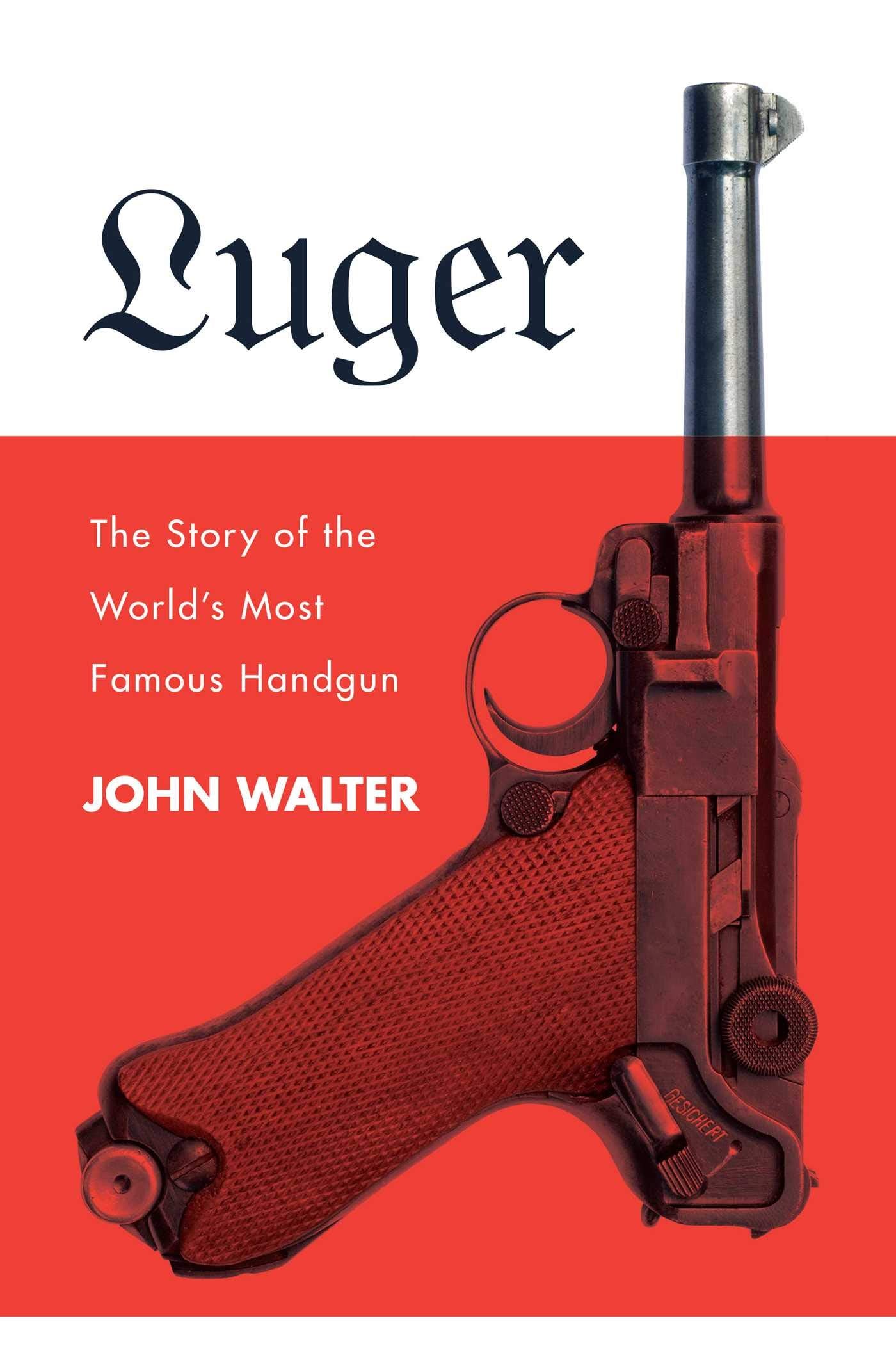
Title
Luger: The Story of the World's Most Famous Handgun,Used
Sold by Ergodebooks, an authorized reseller.
Returns accepted within 30 days | support@ergodebooks.com
Shipping Information
- Free Standard Shipping — United States only
- Processing Time: 3–5 business days
- Estimated Delivery: 6–10 business days after dispatch
- Double-boxed, fully insured & discreetly packaged
- Tracking number sent via email once dispatched
Returns & Refund
Returns accepted within 30 days of delivery.
Damaged or Defective Item
Free return shipping + replacement or full refund
Wrong Item Received
Free return shipping + replacement or full refund
Change of Mind
Return shipping at customer's expense · 25% restocking fee applies
Payment Option

The distinctive look of the Luger and its role in German military history make it the worlds most famous handgun. In Luger, renowned gun expert John Walter traces the history of this semiautomatic pistol from an early design by Hugo Borchardt in the 1890s through its use in the trenches of the First World War to the final days of the Third Reich in WWII.Other books on the ParabellumPistole, as the Luger was also known, focus strictly on narrow subjects like manufacturing details or accessories. While still offering the technical details to satisfy the collector, Walter provides a comprehensive narrative history.Readers will learn of the initial collaboration between Borchardt and Georg J. Luger, who patented the design in 1898. Following initial adoption by the Swiss Army, design refinements convinced the Imperial German Navy to order the sidearm, while the US Army passed on it following field trials in favor of the Colt. Production ramped up for World War I and the gun became a prized trophy for Allied soldiers in both that conflict and World War II. (German soldiers, aware of their desirability, even used them as bait for booby traps.)Today, it is still desired by collectors both for its unique design and for its connection to the history of Nazi Germany, and Luger: The Story of the Worlds Most Famous Handgun tells how it came to be.
⚠️ WARNING (California Proposition 65):
This product may contain chemicals known to the State of California to cause cancer, birth defects, or other reproductive harm.
For more information, please visit www.P65Warnings.ca.gov.
- Q: What is the main focus of the book 'Luger: The Story of the World's Most Famous Handgun'? A: The book primarily focuses on the history and development of the Luger handgun, tracing its evolution from early designs to its significant role in both World Wars.
- Q: Who is the author of this book and what is his expertise? A: The author is John Walter, a renowned gun expert with extensive knowledge of firearms, particularly the Luger pistol and its historical context.
- Q: Is this book suitable for collectors of firearms? A: Yes, this book includes both technical details and comprehensive historical narratives, making it suitable for collectors and enthusiasts of firearms.
- Q: What type of binding does this book have? A: The book is bound in hardcover, which provides durability and a classic presentation.
- Q: How many pages are in 'Luger: The Story of the World's Most Famous Handgun'? A: The book contains 288 pages.
- Q: When was 'Luger: The Story of the World's Most Famous Handgun' published? A: The book was published on February 13, 2018.
- Q: What unique aspects of the Luger does this book cover? A: The book covers the unique design features of the Luger and its historical significance, including its use in military conflicts and its desirability among collectors.
- Q: Does the book include any technical specifications of the Luger pistol? A: Yes, while it provides a comprehensive narrative, the book also includes technical details and specifications related to the Luger pistol.
- Q: Is this book a first edition? A: Yes, this publication is labeled as the first edition.
- Q: What historical periods does the book discuss in relation to the Luger? A: The book discusses the Luger’s history from its early designs in the 1890s through its use in World War I and World War II.