
Title
Lynching: Violence, Rhetoric, and American Identity (Race, Rhetoric, and Media Series),Used
Sold by Ergodebooks, an authorized reseller.
Returns accepted within 30 days | support@ergodebooks.com
Shipping Information
- Free Standard Shipping — United States only
- Processing Time: 3–5 business days
- Estimated Delivery: 6–10 business days after dispatch
- Double-boxed, fully insured & discreetly packaged
- Tracking number sent via email once dispatched
Returns & Refund
Returns accepted within 30 days of delivery.
Damaged or Defective Item
Free return shipping + replacement or full refund
Wrong Item Received
Free return shipping + replacement or full refund
Change of Mind
Return shipping at customer's expense · 25% restocking fee applies
Payment Option

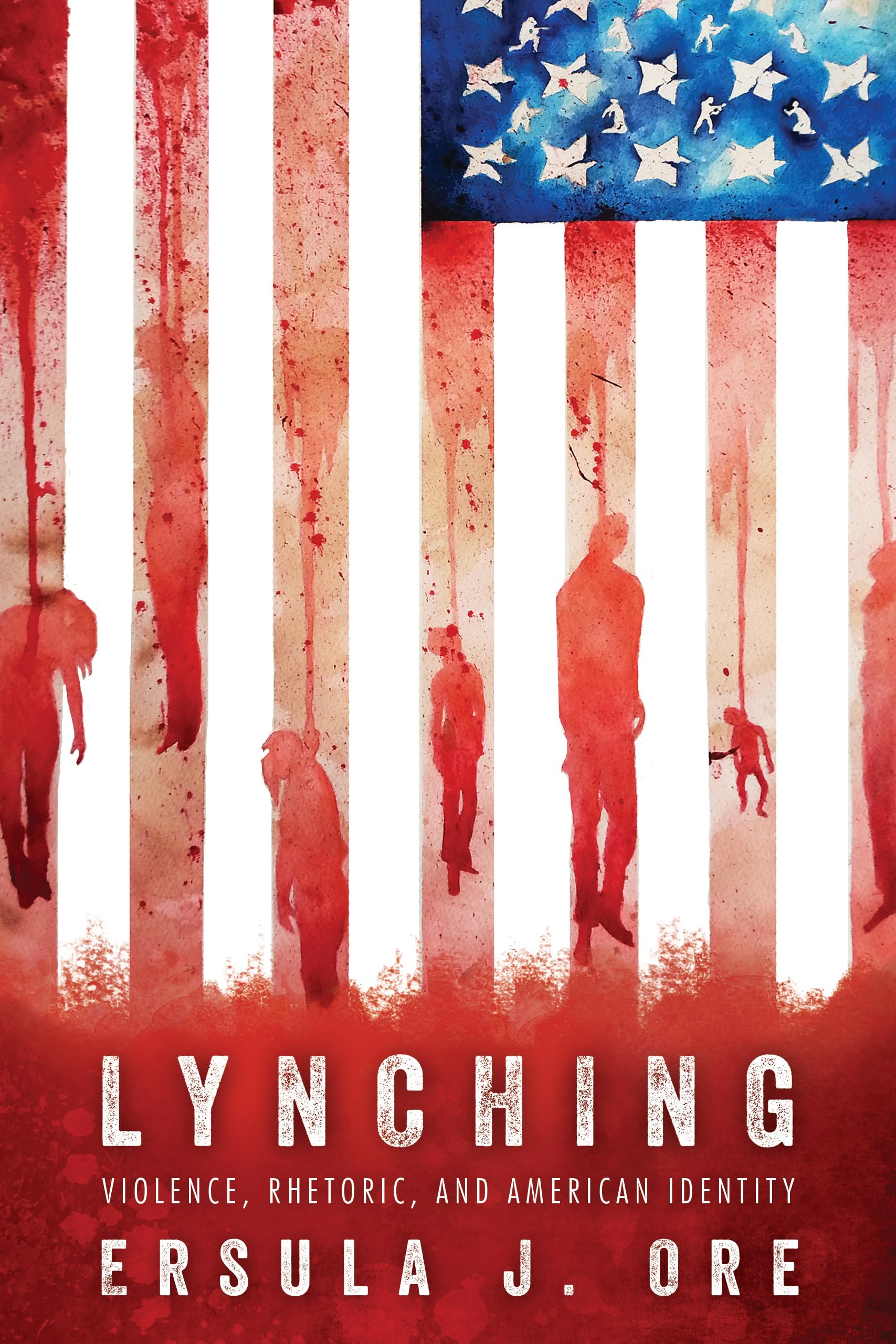
Winner of the 2020 Rhetoric Society of America Book AwardWhile victims of antebellum lynchings were typically white men, postbellum lynchings became more frequent and more intense, with the victims more often black. After Reconstruction, lynchings exhibited and embodied links between violent collective action, American civic identity, and the making of the nation.Ersula J. Ore investigates lynching as a racialized practice of civic engagement, in effect an argument against black inclusion within the changing nation. Ore scrutinizes the civic roots of lynching, the relationship between lynching and white constitutionalism, and contemporary manifestations of lynching discourse and logic today. From the 1880s onward, lynchings, she finds, manifested a violent form of symbolic action that called a national public into existence, denoted citizenship, and upheld political community.Grounded in Ida B. Wellss summation of lynching as a social contract among whites to maintain a racial order, at its core, Ores book speaks to racialized violence as a mode of civic engagement. Since violence enacts an argument about citizenship, Ore construes lynching and its expressions as part and parcel of Americas rhetorical tradition and political legacy.Drawing upon newspapers, official records, and memoirs, as well as critical race theory, Ore outlines the connections between what was said and written, the material practices of lynching in the past, and the forms these rhetorics and practices assume now. In doing so, she demonstrates how lynching functioned as a strategy interwoven with the formation of Americas national identity and with the nations need to continually restrict and redefine that identity. In addition, Ore ties black resistance to lynching, the acclaimed exhibit Without Sanctuary, recent police brutality, effigies of Barack Obama, and the killing of Trayvon Martin.
⚠️ WARNING (California Proposition 65):
This product may contain chemicals known to the State of California to cause cancer, birth defects, or other reproductive harm.
For more information, please visit www.P65Warnings.ca.gov.