
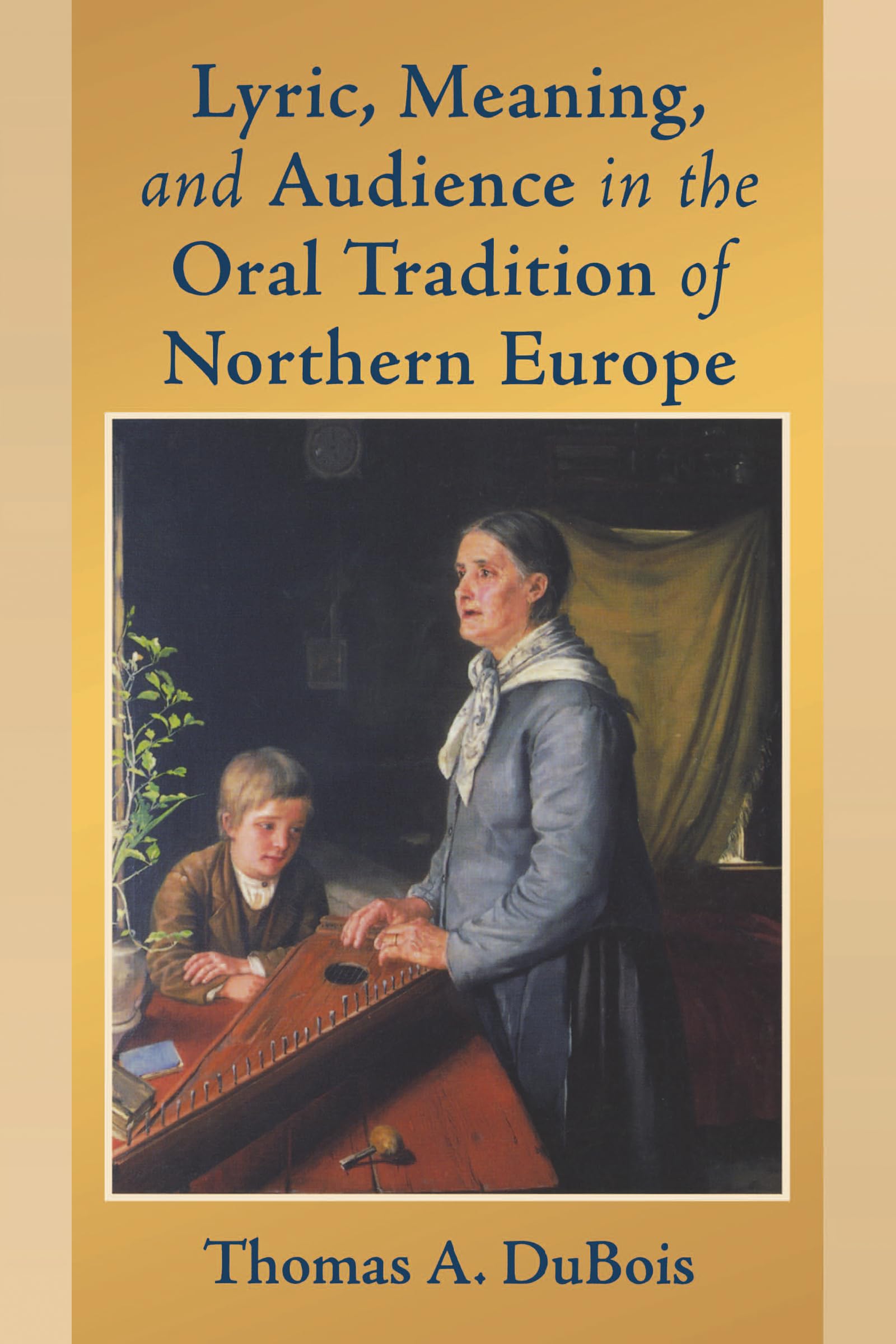
Title
Lyric, Meaning, and Audience in the Oral Tradition of Northern Europe (Poetics of Orality and Literacy),Used
Sold by Ergodebooks, an authorized reseller.
Returns accepted within 30 days | support@ergodebooks.com
Shipping Information
- Free Standard Shipping — United States only
- Processing Time: 3–5 business days
- Estimated Delivery: 6–10 business days after dispatch
- Double-boxed, fully insured & discreetly packaged
- Tracking number sent via email once dispatched
Returns & Refund
Returns accepted within 30 days of delivery.
Damaged or Defective Item
Free return shipping + replacement or full refund
Wrong Item Received
Free return shipping + replacement or full refund
Change of Mind
Return shipping at customer's expense · 25% restocking fee applies
Payment Option

Focusing on particular characters, situations, or emotionsusually with little or no explicit plotlyric song poses interpretive challenges to the listening audience. Without an overt plot, how does one understand what a song is about? Are there rules or norms for how to interpret them? Do these rules remain the same from culture to culture, or do they vary?By looking at the ways in which cultures in Northern Europe interpret lyric songs, Thomas A. DuBois illuminates both commonalities of interpretive practice and unique features of their musical traditions. DuBois draws on sets of lyric songs from England, Wales, Scotland, Ireland, Norway, Sweden, and Finland to explore the question of meaning in folklore, especially the role of traditional audiences in appraising and understanding nonnarrative songs.DuBois's examples range from the medieval and early modern periods to the late twentieth century. His nuanced study explicates folk practices of interpretationa "native hermeneutics" existing alongside folk songs in North European oral tradition. He examines lyric songsparticularly formal lamentsembedded with prose or poetic narratives; the ritual use of lyric as charms and laments in premodern Europe; the development of personalized meanings within hymns and devotional prayers of the high Middle Ages; Shakespeare's lyric songs and their demands on the audience; and the ways in which professional lyric singers encourage certain interpretations of their songs. The only study to examine a range of northern European lyric traditions as a unified group, Lyric, Meaning, and Audience in the Oral Tradition of Northern Europe will be of interest to scholars in medieval studies, literary studies, and folklore.
⚠️ WARNING (California Proposition 65):
This product may contain chemicals known to the State of California to cause cancer, birth defects, or other reproductive harm.
For more information, please visit www.P65Warnings.ca.gov.