
Title

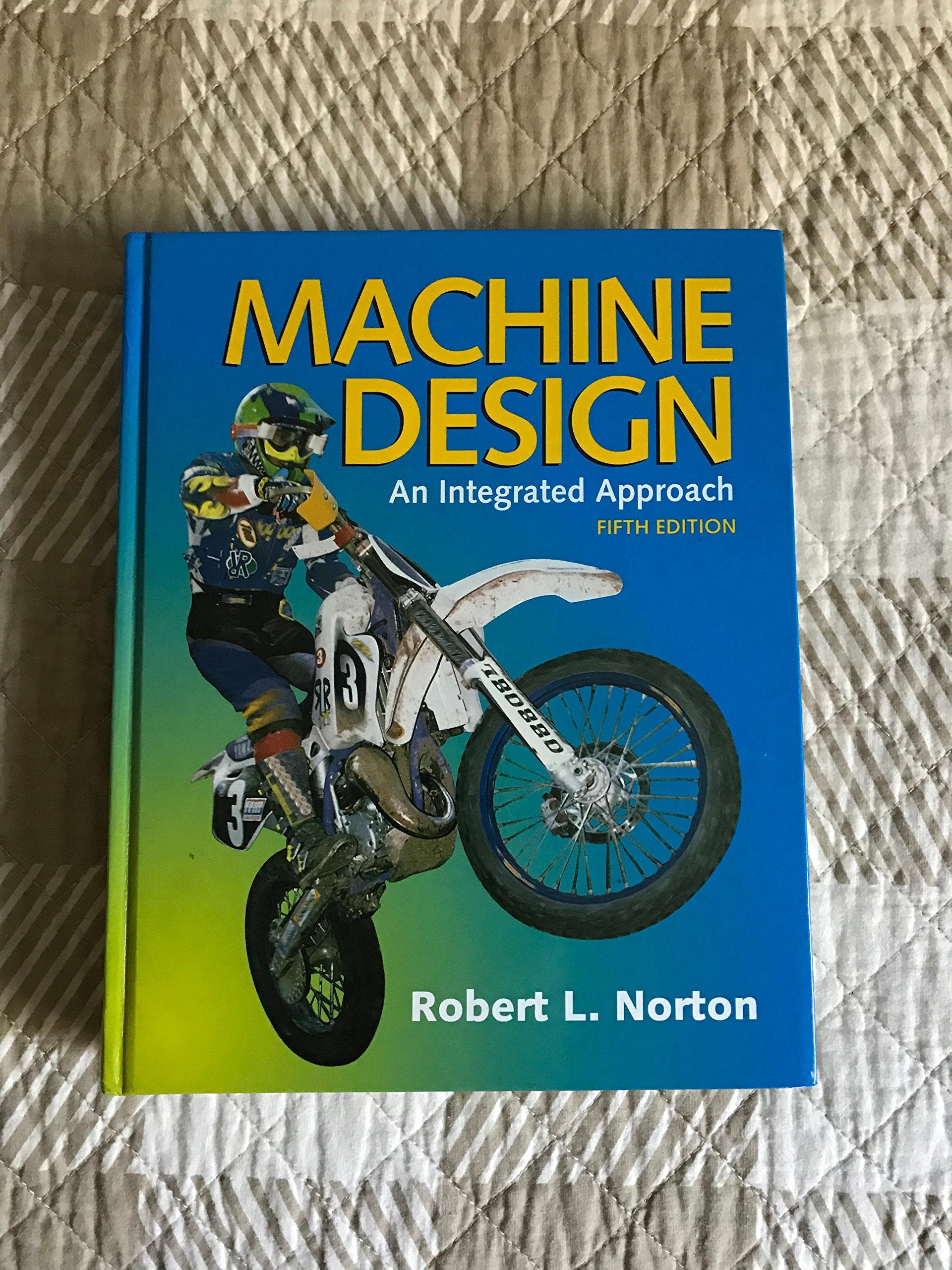
Machine Design
Sold by Ergodebooks, an authorized reseller.
Returns accepted within 30 days | support@ergodebooks.com
Shipping Information
- Free Standard Shipping — United States only
- Processing Time: 3–5 business days
- Estimated Delivery: 6–10 business days after dispatch
- Double-boxed, fully insured & discreetly packaged
- Tracking number sent via email once dispatched
Returns & Refund
Returns accepted within 30 days of delivery.
Damaged or Defective Item
Free return shipping + replacement or full refund
Wrong Item Received
Free return shipping + replacement or full refund
Change of Mind
Return shipping at customer's expense · 25% restocking fee applies
Payment Option

For Courses In Machine Design Or Anyone Interested In Understanding The Theory Behind Machine Design.An Integrated, Casebased Approach To Machine Designmachine Design, 5E Presents The Subject Matter In An Uptodate And Thorough Manner With A Strong Design Emphasis. This Book Emphasizes Failure Theory And Analysis As Well As The Synthesis And Design Aspects Of Machine Elements. The Book Points Out The Commonality Of The Analytical Approaches Needed To Design A Wide Variety Of Elements And Emphasizes The Use Of Computeraided Engineering As An Approach To The Design And Analysis Of These Classes Of Problems.
⚠️ WARNING (California Proposition 65):
This product may contain chemicals known to the State of California to cause cancer, birth defects, or other reproductive harm.
For more information, please visit www.P65Warnings.ca.gov.
- Q: What is the binding type of the book 'Machine Design'? A: The binding type of 'Machine Design' is hardcover. This durable binding is ideal for frequent use and provides longevity for the text.
- Q: How many pages does 'Machine Design' contain? A: The book contains one thousand one hundred four pages. This extensive content covers a wide range of topics related to machine design.
- Q: What are the dimensions of the 'Machine Design' book? A: The book measures eight point two inches in length, one point seven inches in width, and ten point twelve inches in height. These dimensions make it a suitable size for both reading and reference.
- Q: What is the primary focus of 'Machine Design'? A: The primary focus is on failure theory and analysis along with the synthesis and design of machine elements. This integrated approach is beneficial for understanding complex concepts.
- Q: Who is the author of 'Machine Design'? A: The author is Robert Norton. His expertise in the field provides valuable insights throughout the book.
- Q: What level of understanding is required for 'Machine Design'? A: The book is suitable for courses in Machine Design and individuals interested in the subject. It provides a comprehensive understanding for both students and professionals.
- Q: Can beginners understand 'Machine Design'? A: Yes, beginners can understand 'Machine Design'. The book presents concepts in a clear manner, making it accessible for those new to the topic.
- Q: How can I use 'Machine Design' effectively for my studies? A: You can use 'Machine Design' as a primary textbook for coursework or as a reference guide for projects. The case-based approach enhances practical application.
- Q: Is 'Machine Design' suitable for self-study? A: Yes, 'Machine Design' is suitable for self-study. Its thorough explanations and case-based methodology enable independent learning.
- Q: How should I care for 'Machine Design' to keep it in good condition? A: To keep 'Machine Design' in good condition, store it in a dry place and avoid exposure to direct sunlight. Regularly check for wear and handle it gently.
- Q: Is it safe to write in 'Machine Design'? A: Yes, it is safe to write in 'Machine Design'. Make sure to use a pen or pencil that won’t bleed through the pages.
- Q: What if 'Machine Design' arrives damaged? A: If 'Machine Design' arrives damaged, you should contact the seller for a return or exchange. Most sellers have policies in place for such situations.
- Q: Can I return 'Machine Design' if I don't find it useful? A: Yes, you can typically return 'Machine Design' if it is within the return policy period. Be sure to check the specific return policy for details.
- Q: What makes 'Machine Design' different from other engineering books? A: What sets 'Machine Design' apart is its integrated, case-based approach that emphasizes both theory and practical application in machine design.
- Q: Is 'Machine Design' relevant for modern engineering practices? A: Yes, 'Machine Design' is relevant for modern engineering practices. It includes up-to-date theories and methodologies applicable to today's engineering challenges.