If you have any questions, you are always welcome to contact us. We'll get back to you as soon as possible, withing 24 hours on weekdays.
Customer service
All questions about your order, return and delivery must be sent to our customer service team by e-mail at yourstore@yourdomain.com
Sale & Press
If you are interested in selling our products, need more information about our brand or wish to make a collaboration, please contact us at press@yourdomain.com
Help
If you have any questions, you are always welcome to contact us. We'll get back to you as soon as possible, withing 24 hours on weekdays.
Customer service
All questions about your order, return and delivery must be sent to our customer service team by e-mail at yourstore@yourdomain.com
Sale & Press
If you are interested in selling our products, need more information about our brand or wish to make a collaboration, please contact us at press@yourdomain.com
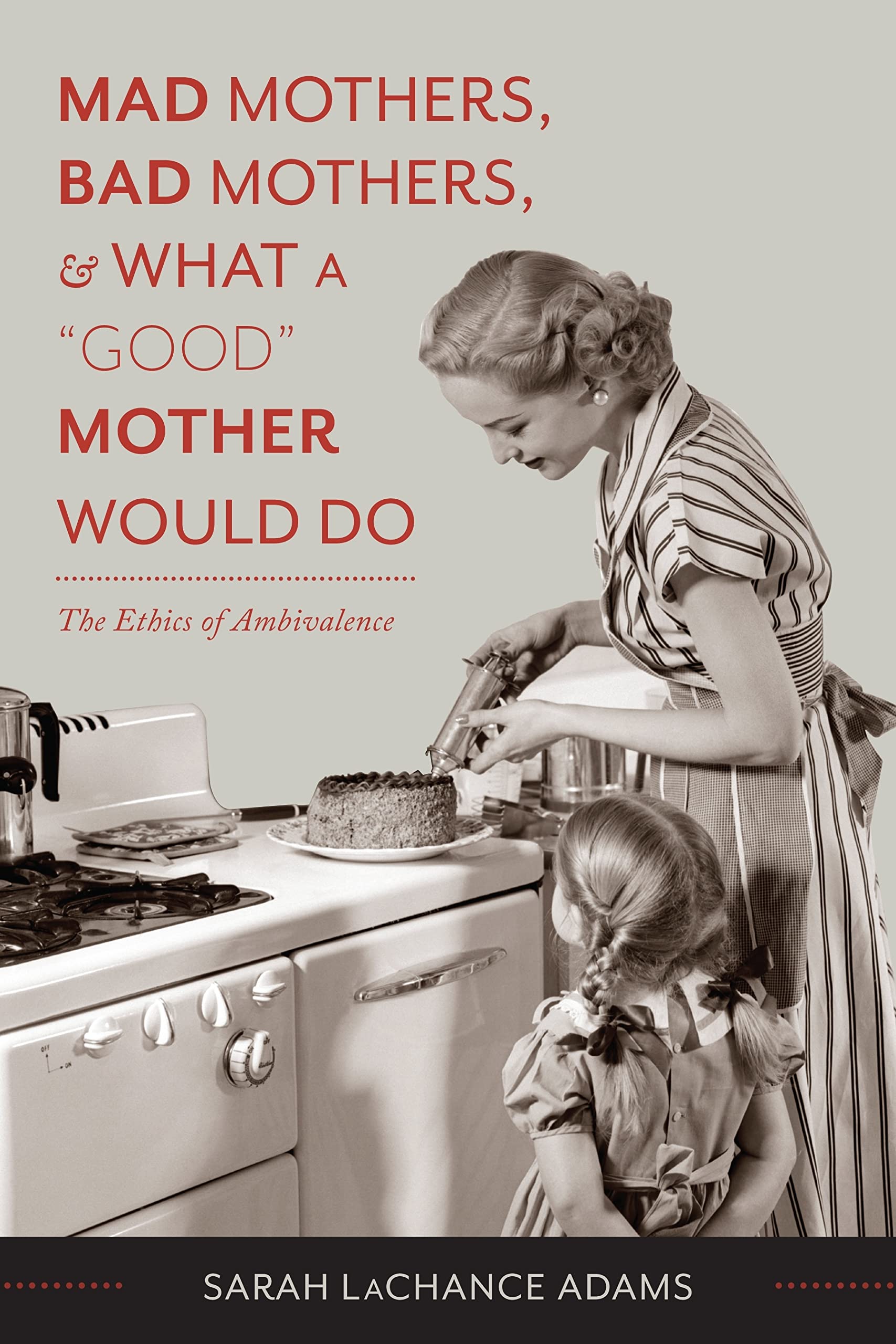
When a mother kills her child, we call her a bad mother, but, as this book shows, even mothers who intend to do their children harm are not easily categorized as 'mad' or 'bad.' Maternal love is a complex emotion rich with contradictory impulses and desires, and motherhood is a conflicted state in which women constantly renegotiate the needs mother and child, the self and the other.Applying care ethics philosophy and the work of Emmanuel Levinas, Maurice MerleauPonty, and Simone de Beauvoir to realworld experiences of motherhood, Sarah LaChance Adams throws the inherent tensions of motherhood into sharp relief, drawing a more nuanced portrait of the mother and child relationship than previously conceived. The maternal example is particularly instructive for ethical theory, highlighting the dynamics of human interdependence while also affirming separate interests. LaChance Adams particularly focuses on maternal ambivalence and its morally productive role in reinforcing the divergence between oneself and others, helping to recognize the particularities of situation, and negotiating the difference between one's own needs and the desires of others. She ultimately argues maternal filicide is a social problem requiring a collective solution that ethical philosophy and philosophies of care can inform.
⚠️ WARNING (California Proposition 65):
This product may contain chemicals known to the State of California to cause cancer,
birth defects, or other reproductive harm.
For MAP (Minimum Advertised Price) violations and Intellectual Property (IP) or Trademark concerns, please contact:
support@ergodebooks.com
⚠️ California Proposition 65 Warning: Some products sold on this website may expose you to chemicals known to the State of California to cause cancer, birth defects, or other reproductive harm. For more information, visit www.P65Warnings.ca.gov.