
Title
Magritte And Photography,Used
Sold by Ergodebooks, an authorized reseller.
Returns accepted within 30 days | support@ergodebooks.com
Shipping Information
- Free Standard Shipping — United States only
- Processing Time: 3–5 business days
- Estimated Delivery: 6–10 business days after dispatch
- Double-boxed, fully insured & discreetly packaged
- Tracking number sent via email once dispatched
Returns & Refund
Returns accepted within 30 days of delivery.
Damaged or Defective Item
Free return shipping + replacement or full refund
Wrong Item Received
Free return shipping + replacement or full refund
Change of Mind
Return shipping at customer's expense · 25% restocking fee applies
Payment Option

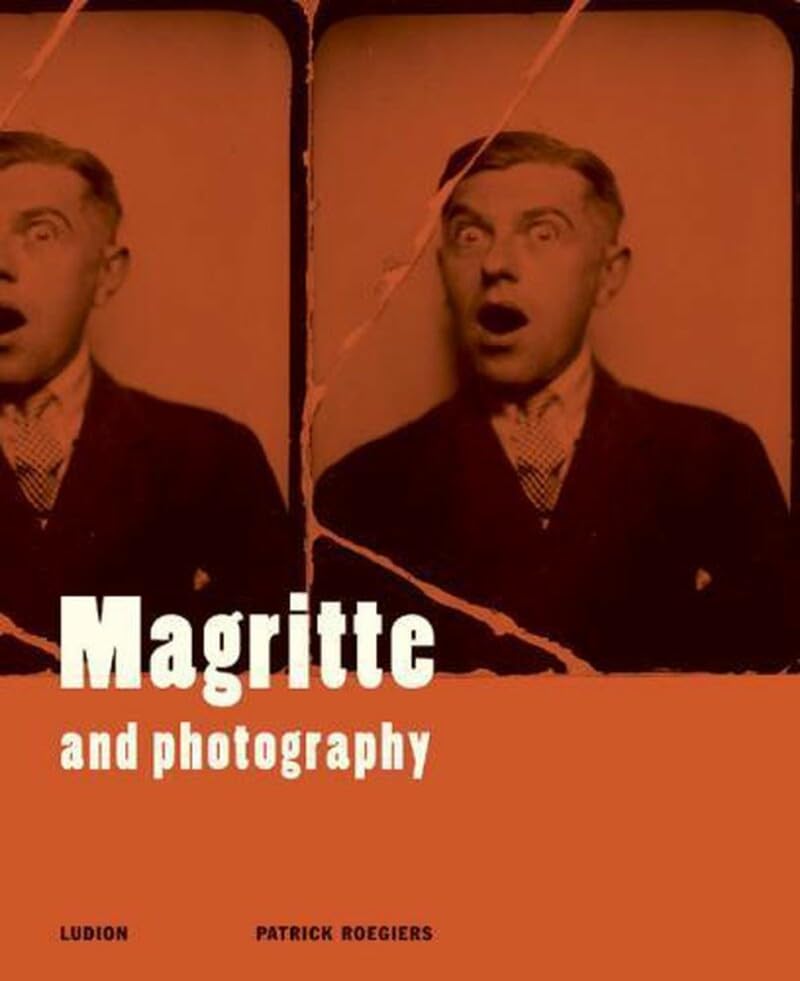
The sublime visions of Surrealist master Rene Magritte often began in a viewfinder. In this major study, the first of its kind, noted photography critic, author and Magritte scholar Patrick Roegiers draws eyeopening connections between the artist's enduring paintings and his use of the emerging medium of photography, which he used as a hobby, as well as a serious component of his painting, and as an art in itself. Examining more than 200 previously unpublished photographs from Magritte's personal collection, Roegiers finds both important source material and illuminating biographical revelations. We see here pictures of friendsincluding the Belgian Surrealists Scutenaire, Nouge and Mesensand acquaintances, whom Magritte sometimes shot in stagemanaged tableaux. We glimpse his family and especially his wife, muse and model Georgette, posing whimsically and earnestly, as they decamp for Paris in 1927 and return to Brussels three years later. And perhaps most vitally important to understanding Magritte's work, his selfportraiture through photography provides crucial insight into the creation of his bowlerhatted icon and paintings such as 'La Clairvoyance' from 1936. A photograph of this last work shows the artist at the easel of the famous painting of himself painting a bird. Later in life, as Magritte's fame grew, he himself was also a subject of other photographers' pictures, including photographs by Duane Michals on Magritte's first trip to the United States in 1965 and by Adelaide de Menil in Texas, in which the artist amusingly trades his bowler for a Stetson. This cleareyed, allencompassing look at what Magritte saw through the camera, and what he did in front of it, adds substantially to our appreciation of the artist who gave us the eye of 'Le Faux Miroir.'
⚠️ WARNING (California Proposition 65):
This product may contain chemicals known to the State of California to cause cancer, birth defects, or other reproductive harm.
For more information, please visit www.P65Warnings.ca.gov.