
Title
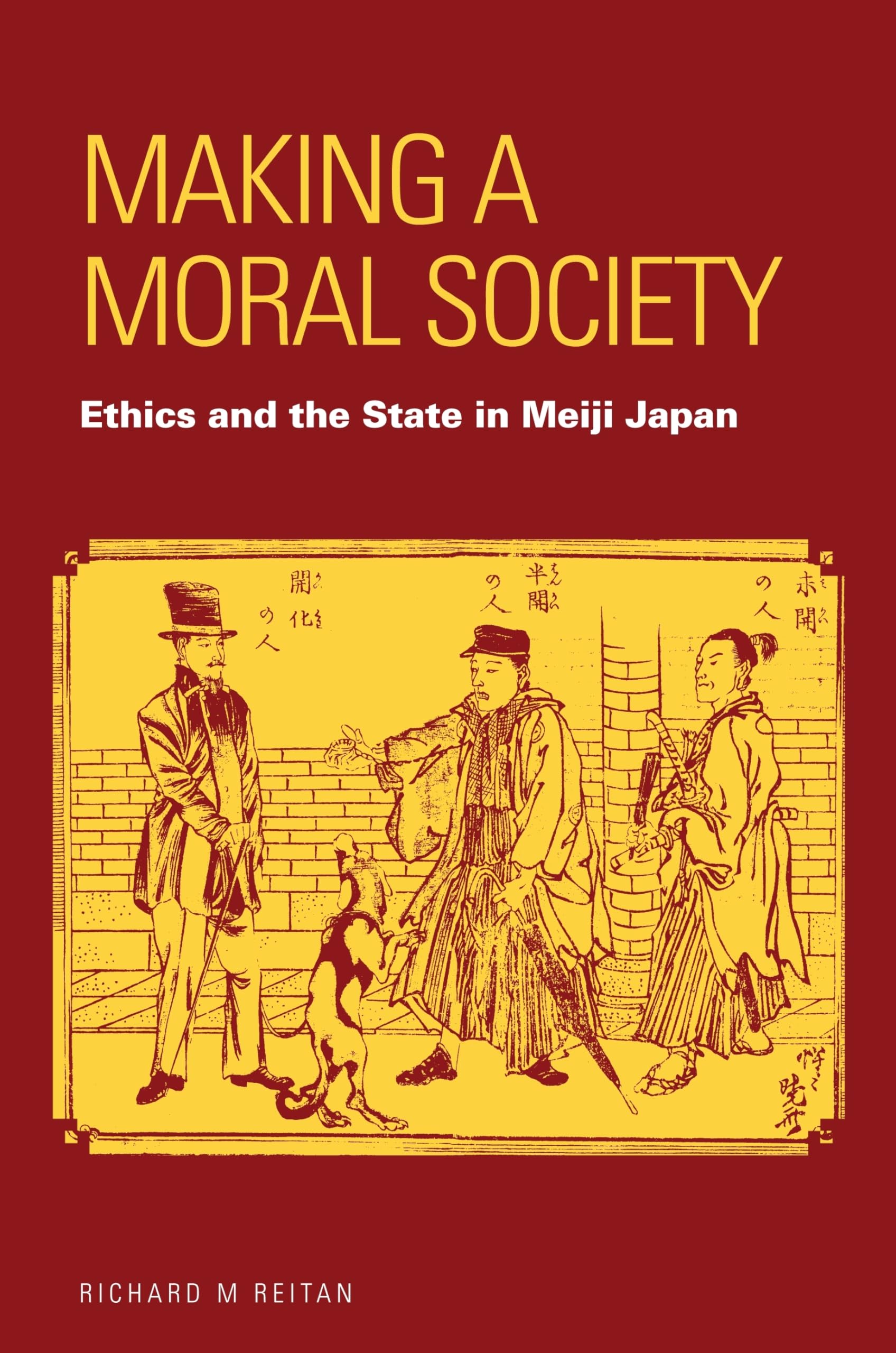
Making a Moral Society: Ethics and the State in Meiji Japan,Used
Sold by Ergodebooks, an authorized reseller.
Returns accepted within 30 days | support@ergodebooks.com
Shipping Information
- Free Standard Shipping — United States only
- Processing Time: 3–5 business days
- Estimated Delivery: 6–10 business days after dispatch
- Double-boxed, fully insured & discreetly packaged
- Tracking number sent via email once dispatched
Returns & Refund
Returns accepted within 30 days of delivery.
Damaged or Defective Item
Free return shipping + replacement or full refund
Wrong Item Received
Free return shipping + replacement or full refund
Change of Mind
Return shipping at customer's expense · 25% restocking fee applies
Payment Option

This innovative study of ethics in Meiji Japan (18681912) explores the intense struggle to define a common morality for the emerging nationstate. In the Social Darwinist atmosphere of the time, the Japanese state sought to quell uprisings and overcome social disruptions so as to produce national unity and defend its sovereignty against Western encroachment. Morality became a crucial means to attain these aims. Moral prescriptions for reordering the population came from all segments of society, including Buddhist, Christian, and Confucian apologists; literary figures and artists; advocates of natural rights; anarchists; and women defending nontraditional gender roles. Each envisioned a unity grounded in its own moral perspective. It was in this tumultuous atmosphere that the academic discipline of ethics (rinrigaku) emergednot as a valueneutral, objective form of inquiry as its practitioners claimed, but a statesponsored program with its own agenda.After examining the broad moral space of 'civilization,' Richard Reitan turns to the dominant moral theories of early Meiji and the underlying epistemology that shaped and authorized them. He considers the fluidity of moral subjectivity (the constantly shifting nature of norms to which we are subject and how we apprehend, resist, or practice them) by juxtaposing rinrigaku texts with moral writings by religious apologists. By the beginning of the 1890s, moral philosophers in Japan were moving away from the empiricism and utilitarianism of the prior decade and beginning to place 'spirit' at the center of ethical inquiry. This shift is explored through the works of two thinkers, Inoue Tetsujiro (18561944) and Nakashima Rikizo (18581918), the first chair of ethics at Tokyo Imperial University. Finally, Reitan takes a detailed look at the national morality movement (kokumin dotoku) and its close association with the state before concluding with an outline of some conceptual linkages between the Meiji and later periods.With its highly original thesis, clear and sound methodology, and fluid prose, Making a Moral Society will be welcomed by scholars and students of both Japanese intellectual history and ethics in general.
⚠️ WARNING (California Proposition 65):
This product may contain chemicals known to the State of California to cause cancer, birth defects, or other reproductive harm.
For more information, please visit www.P65Warnings.ca.gov.