If you have any questions, you are always welcome to contact us. We'll get back to you as soon as possible, withing 24 hours on weekdays.
Customer service
All questions about your order, return and delivery must be sent to our customer service team by e-mail at yourstore@yourdomain.com
Sale & Press
If you are interested in selling our products, need more information about our brand or wish to make a collaboration, please contact us at press@yourdomain.com
Help
If you have any questions, you are always welcome to contact us. We'll get back to you as soon as possible, withing 24 hours on weekdays.
Customer service
All questions about your order, return and delivery must be sent to our customer service team by e-mail at yourstore@yourdomain.com
Sale & Press
If you are interested in selling our products, need more information about our brand or wish to make a collaboration, please contact us at press@yourdomain.com
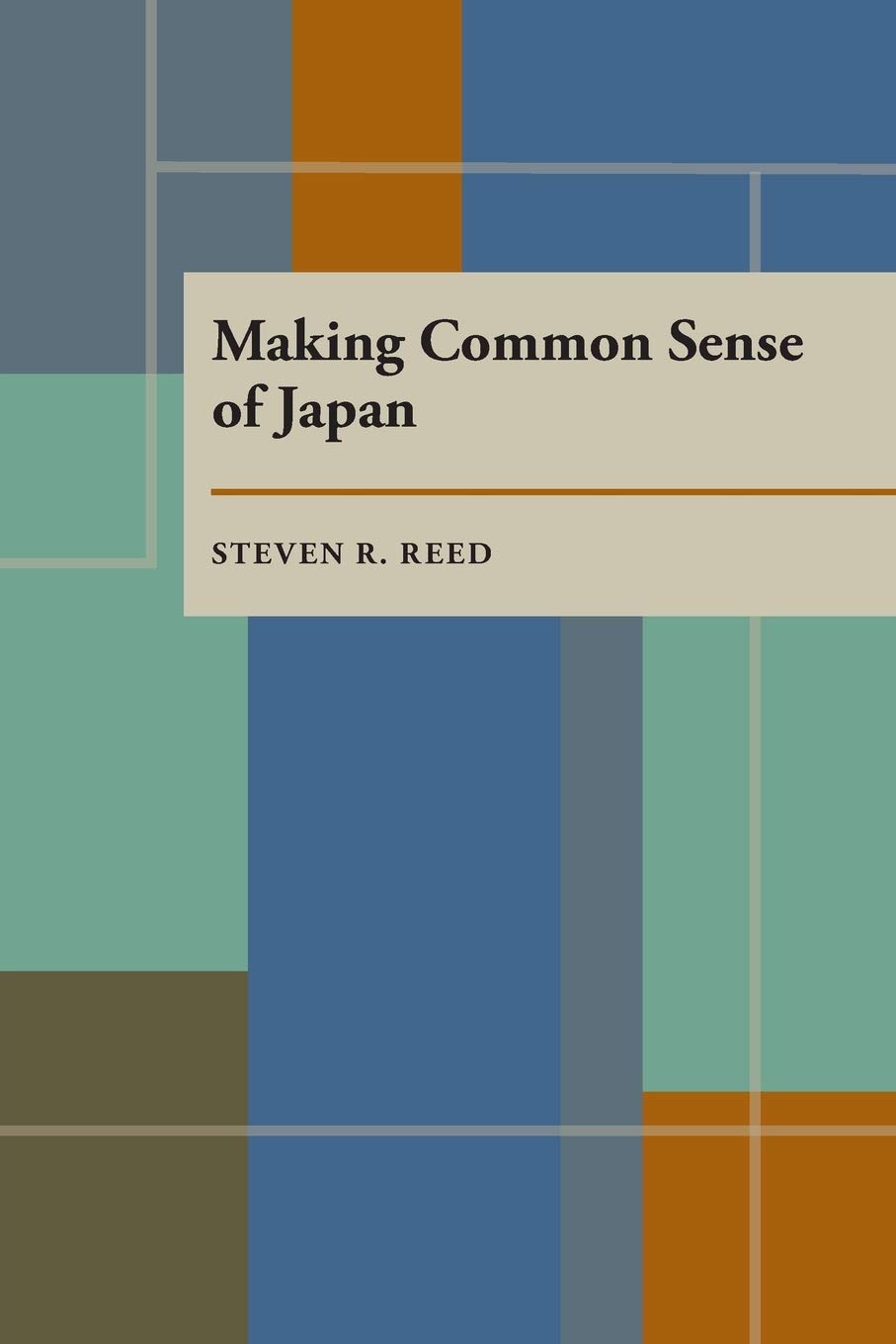
Common misconceptions about Japan begin with the notion that it is a small country (it's actually lager than Great Britain, Germany or Italy) and end with pronouncements that the Japanese think differently and have different valuesthey do things differently because that's the way they are.Steven Reed takes on the task of demystifying Japanese culture and behavior. Through examples that are familiar to an American audience and his own personal encounters with the Japanese, he argues that the apparent oddity of Japanese behavior flows quite naturally from certain objective conditions that are different from those in the United States.Mystical allegations about national character are less useful for understanding a foreign culture than a close look at specific situations and conditions. Two aspects of the Japanese economy have particularly baffled Americans: that Japanese workers have permanent employment and that the Japanese government cooperates with big business. Reed explains these phenomena in common sense terms. He shows how they developed historically, why they continue, and why they helped produce economic growth. He concludes that these practices are not as different from what happens in the United States as they may appear.
⚠️ WARNING (California Proposition 65):
This product may contain chemicals known to the State of California to cause cancer,
birth defects, or other reproductive harm.
For MAP (Minimum Advertised Price) violations and Intellectual Property (IP) or Trademark concerns, please contact:
support@ergodebooks.com
⚠️ California Proposition 65 Warning: Some products sold on this website may expose you to chemicals known to the State of California to cause cancer, birth defects, or other reproductive harm. For more information, visit www.P65Warnings.ca.gov.