
Title
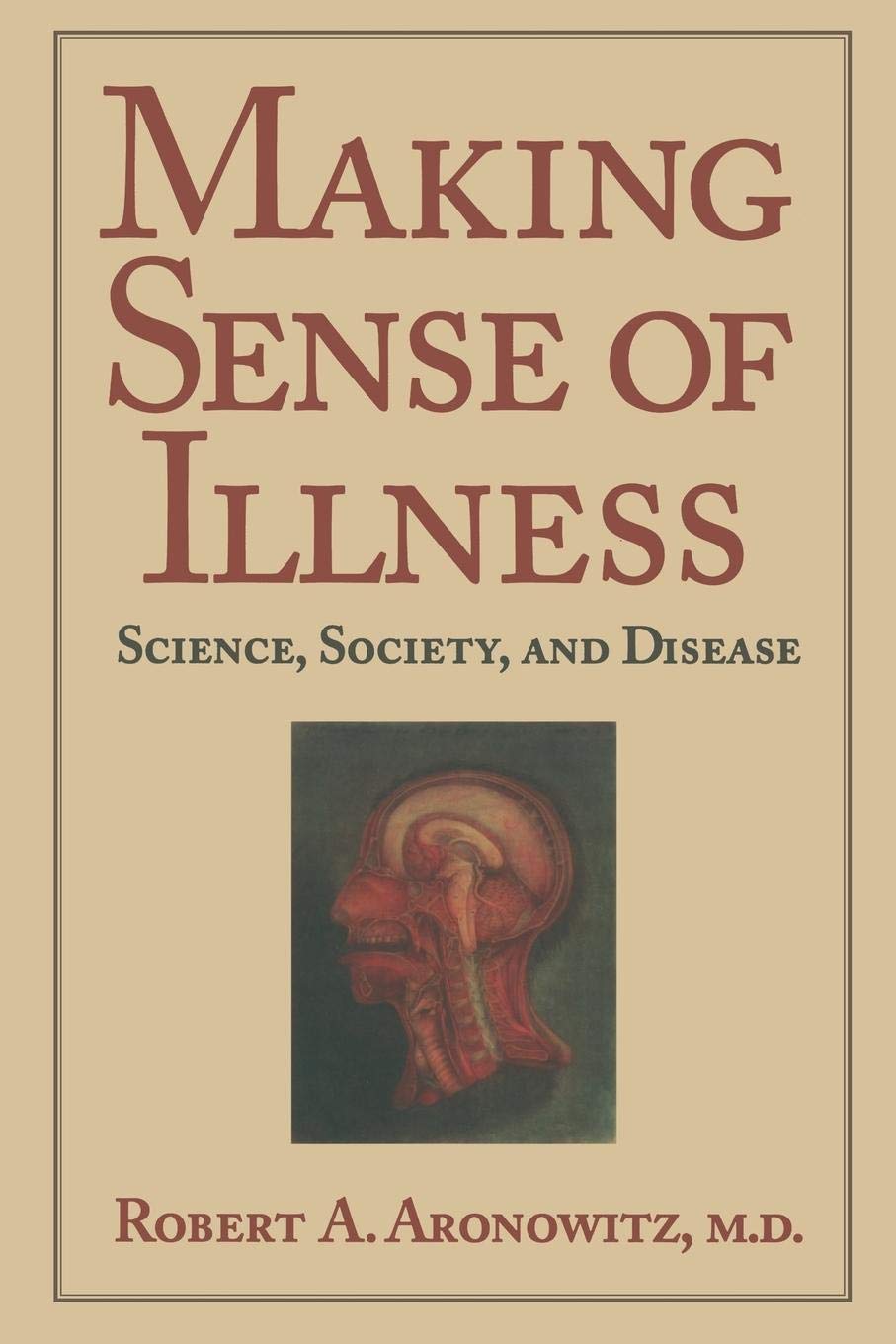
Making Sense Of Illness: Science, Society And Disease (Cambridge Studies In The History Of Medicine),New
Sold by Ergodebooks, an authorized reseller.
Returns accepted within 30 days | support@ergodebooks.com
Shipping Information
- Free Standard Shipping — United States only
- Processing Time: 3–5 business days
- Estimated Delivery: 6–10 business days after dispatch
- Double-boxed, fully insured & discreetly packaged
- Tracking number sent via email once dispatched
Returns & Refund
Returns accepted within 30 days of delivery.
Damaged or Defective Item
Free return shipping + replacement or full refund
Wrong Item Received
Free return shipping + replacement or full refund
Change of Mind
Return shipping at customer's expense · 25% restocking fee applies
Payment Option

Making Sense Of Illness Is A Fascinating Investigation Into The Social And Clinical Factors That Determine What Constitutes A 'Legitimate' Illness In The Twentieth Century. By Examining Six Case Studies Of Diseases That Have Emerged Within The Past Fifty Yearsfrom What We Now Consider To Be 'Straightforward' Diseases Such As Coronary Heart Disease, To The Currently Widelydebated Chronic Fatigue Syndromearonowitz Examines The Historical And Cultural Factors That Influence How Doctors Think About Illness; How Illnesses Are Recognized, Named, Classified, And Finally, What They 'Mean' In An Individual And Social Context. The Choices That Are Available To The Investigators, Clinicians, Patients And The Processes By Which Change Occurs Are Factors That All Play A Great Role In 'Legitimizing' An Illness, And These Are The Roles That Are Seldom Examined. By Juxtaposing The Histories Of Each Disease, Aronowitz Shows How Cultural And Historical Precedents Have Determined Research Programs, Public Health Activities, Clinical Decisions, And Even The Patient'S Experience Of Illness. This Is A Mustread For Anyone Interested In Public Health And The History Of Medicine In The United States.
⚠️ WARNING (California Proposition 65):
This product may contain chemicals known to the State of California to cause cancer, birth defects, or other reproductive harm.
For more information, please visit www.P65Warnings.ca.gov.
- Q: What is the page count of this book? A: This book contains two hundred eighty-six pages. It provides an in-depth exploration of illness in a historical and cultural context.
- Q: What are the dimensions of the book? A: The book measures five point ninety-nine inches in length, zero point seventy-one inches in width, and nine point zero two inches in height. These dimensions make it a compact and easily portable read.
- Q: What type of binding does this book have? A: The book is published in paperback binding. This makes it lightweight and flexible, ideal for casual reading.
- Q: Who is the author of the book? A: The author is Robert A. Aronowitz. He examines the social and clinical factors surrounding illness in the twentieth century.
- Q: What genre does this book belong to? A: This book falls under Health, Fitness, and Dieting. It is particularly suitable for readers interested in public health and the history of medicine.
- Q: How can I use this book for research? A: You can use this book as a resource for understanding the social contexts of various illnesses. It includes case studies that can inform public health discussions.
- Q: Is this book appropriate for academic studies? A: Yes, this book is suitable for academic studies. It provides valuable insights into the cultural and historical aspects of illness.
- Q: What themes are explored in this book? A: The book explores themes such as legitimacy, classification of diseases, and the cultural influences on illness perception. These themes are relevant for both healthcare professionals and the general public.
- Q: How should I store this book? A: Store this book in a cool, dry place away from direct sunlight. This will help preserve its condition and prevent any damage.
- Q: Can I easily clean the book if it gets dirty? A: Yes, you can gently wipe the cover with a soft, dry cloth. Avoid using water or cleaning solutions to prevent damage to the pages.
- Q: What if I receive a damaged book? A: If you receive a damaged book, you should contact the seller for a return or exchange. Most sellers have a return policy in place for such situations.
- Q: Is there a warranty for this book? A: No, books typically do not come with a warranty. However, check with the seller for any return policies they may have.
- Q: How does this book compare to others in its genre? A: This book offers a unique perspective by combining historical analysis with clinical insights, which sets it apart from other health-related literature.
- Q: Is this book suitable for beginners? A: Yes, this book is suitable for beginners. It presents complex ideas in an accessible manner, making it easy for new readers to engage with the material.
- Q: What should I do if I have additional questions about this book? A: If you have additional questions, you can reach out to the seller or publisher for more information. They can provide further details and insights.