
Title
Making The Cut?: Lowincome Countries And The Global Clothing Value Chain In A Postquota And Postcrisis World (World Bank Stud,Used
Processing time: 1-3 days
US Orders Ships in: 3-5 days
International Orders Ships in: 8-12 days
Return Policy: 15-days return on defective items
Payment Option

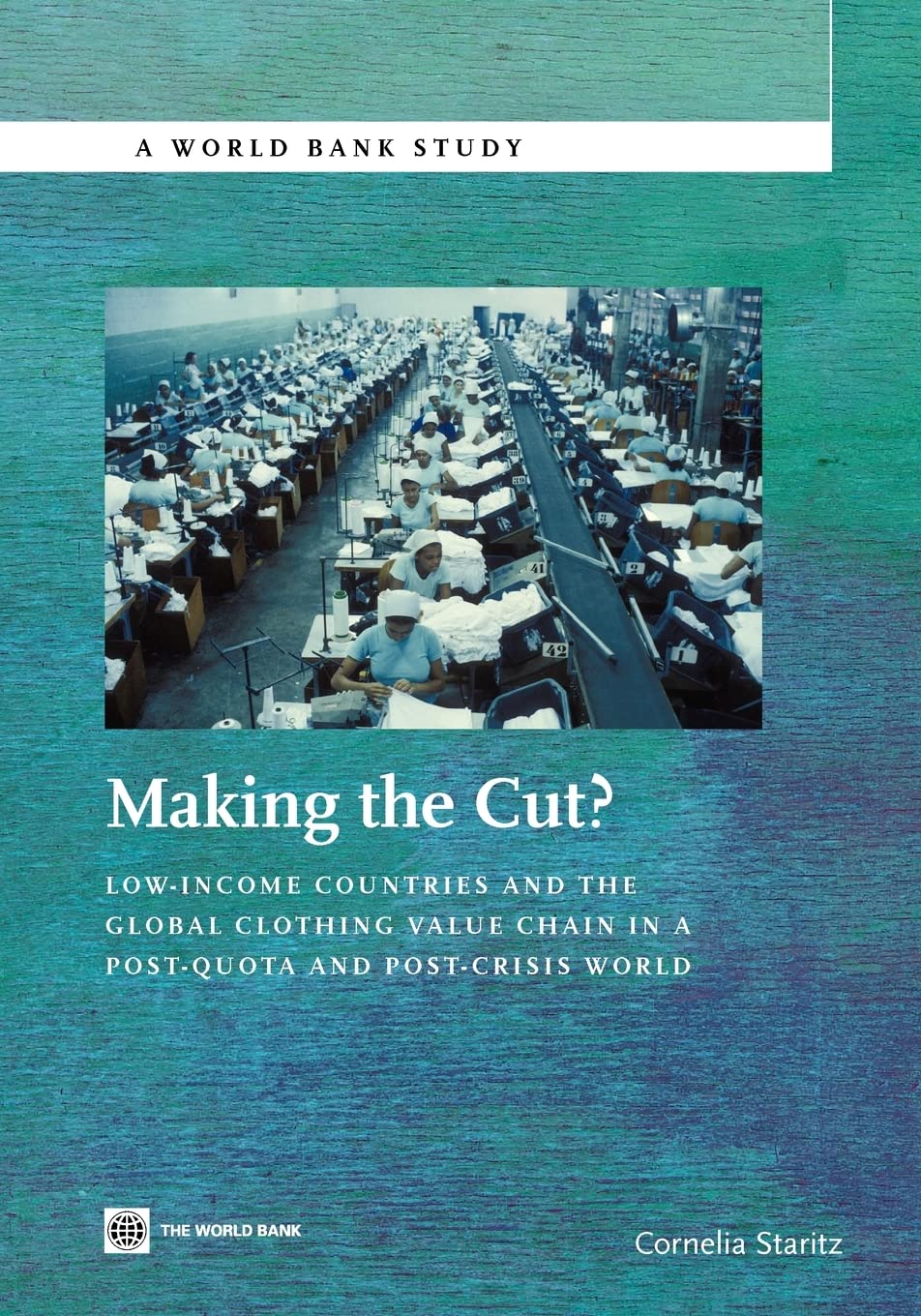
The clothing sector has traditionally been a gateway to export diversification and industrial development for lowincome countries (LICs) due to its low fix costs, relatively simple technology, and laborintensive nature. It has served to absorb large numbers of unskilled, and mostly female, workers and build capital and knowhow for more technologically advanced activities within and across sectors. But the environment for global clothing trade has changed significantly which may condition the role the sector can play in promoting export diversification and industrial development in LICs today. Main drivers have been the rise of global buyers and their global sourcing strategies, the phase out of quotas in the MultiFiber Arrangement (MFA), and, more recently, the global economic crisis.In the context of these changes, this study analyzes how the clothing sector can still provide a gateway to export diversification and industrial development for LICs today. The key objectives of this study are to assess main developments in the global clothing sector associated with the MultiFiber Arrangement (MFA) phase out, global buyers and their sourcing strategies, and the global economic crisis; analyze challenges that LICs are facing in the postquota and postcrisis world in entering and upgrading within global clothing value chains; and identify policy recommendations to increase the competitiveness of LIC clothing exporters as well as to further their integration into and improve their positions within global clothing value chains. For the study interviews with buyers in the US, the EU and South Africa as well as case studies in SubSaharan African LICs (Kenya, Lesotho and Swaziland), Cambodia and Bangladesh were conducted.The study finds that global consolidation in the clothing sector has increased entry barriers at the country and firm level. This has created new challenges to LIC suppliers as low labor costs and preferential market access are not enough to be competitive in the clothing sector today. Suppliers with broad capabilities have been able to develop strategic relationships with global buyers. Marginal or new suppliers are entering the global value chains through intermediaries, but face limited upgrading opportunities. FDI plays an important role in integrated LICs into global clothing value chains, yet it needs to be used in a way that promotes and upgrades local clothing industries. Overall, the clothing sector still provides opportunities for export diversification and industrial development. However, this requires proactive policies to increase the competitiveness and local embeddedness of LIC clothing exporters.
⚠️ WARNING (California Proposition 65):
This product may contain chemicals known to the State of California to cause cancer, birth defects, or other reproductive harm.
For more information, please visit www.P65Warnings.ca.gov.