
Title
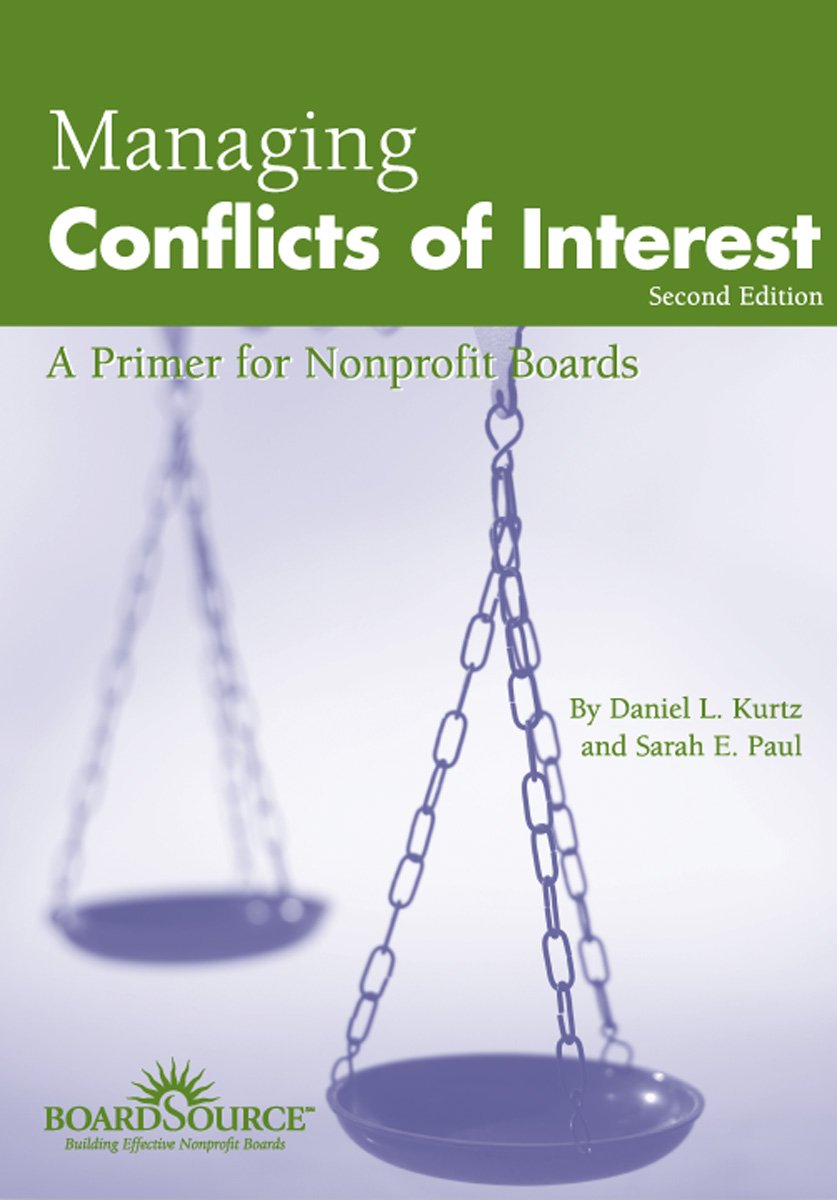
Managing Conflicts of Interest: A Primer for Nonprofit Boards,Used
Sold by Ergodebooks, an authorized reseller.
Returns accepted within 30 days | support@ergodebooks.com
Shipping Information
- Free Standard Shipping — United States only
- Processing Time: 3–5 business days
- Estimated Delivery: 6–10 business days after dispatch
- Double-boxed, fully insured & discreetly packaged
- Tracking number sent via email once dispatched
Returns & Refund
Returns accepted within 30 days of delivery.
Damaged or Defective Item
Free return shipping + replacement or full refund
Wrong Item Received
Free return shipping + replacement or full refund
Change of Mind
Return shipping at customer's expense · 25% restocking fee applies
Payment Option

The nonprofit sector depends on the spirit of volunteerism displayed by board members personal and professional knowledge, experience, and community engagement. These board members can also face challenges in carrying out their board responsibilities precisely because of the number and breadth of associations and connections they have. Making unbiased, independent decisions on behalf of the organization isnt always easy. So, not only should nonprofit board members and executives be able to recognize potential conflicts of interest, but they must determine when these conflicts present areas of concern and what to do about them. Help promote a culture of disclosure in your nonprofit by exploring the meaning of conflicts of interest and understanding the legal rules relating to them. Managing Conflicts of Interest acknowledges the difficulty in identifying problematic conflicts of interest, and gives recommendations for practice. This new edition discusses: The most recent state and federal laws governing conflicts of interest Important legal concepts, including private inurement, private benefit, and intermediate sanctions Situations that give rise to conflicts of interest Creation of a conflictofinterest policy and the need for proper disclosure Establishing a procedure for responding to existing conflicts Organizational code of ethics and maintaining an overall culture of integrity Special considerations for private foundations in dealing with conflicts of interest The key for nonprofit boards is not to try to avoid all possible conflictofinterest situations, but to identify and follow a process for handling them effectively. How an organization manages conflicts of interest and assures open and honest deliberation affects all aspects of its operations and is critical to making good decisions, avoiding legal problems and public scandals, and remaining focused on the organizations mission.
⚠️ WARNING (California Proposition 65):
This product may contain chemicals known to the State of California to cause cancer, birth defects, or other reproductive harm.
For more information, please visit www.P65Warnings.ca.gov.