
Title
Managing Disaster Risk In Emerging Economies (Disaster Risk Management),Used
Sold by Ergodebooks, an authorized reseller.
Returns accepted within 30 days | support@ergodebooks.com
Shipping Information
- Free Standard Shipping — United States only
- Processing Time: 3–5 business days
- Estimated Delivery: 6–10 business days after dispatch
- Double-boxed, fully insured & discreetly packaged
- Tracking number sent via email once dispatched
Returns & Refund
Returns accepted within 30 days of delivery.
Damaged or Defective Item
Free return shipping + replacement or full refund
Wrong Item Received
Free return shipping + replacement or full refund
Change of Mind
Return shipping at customer's expense · 25% restocking fee applies
Payment Option

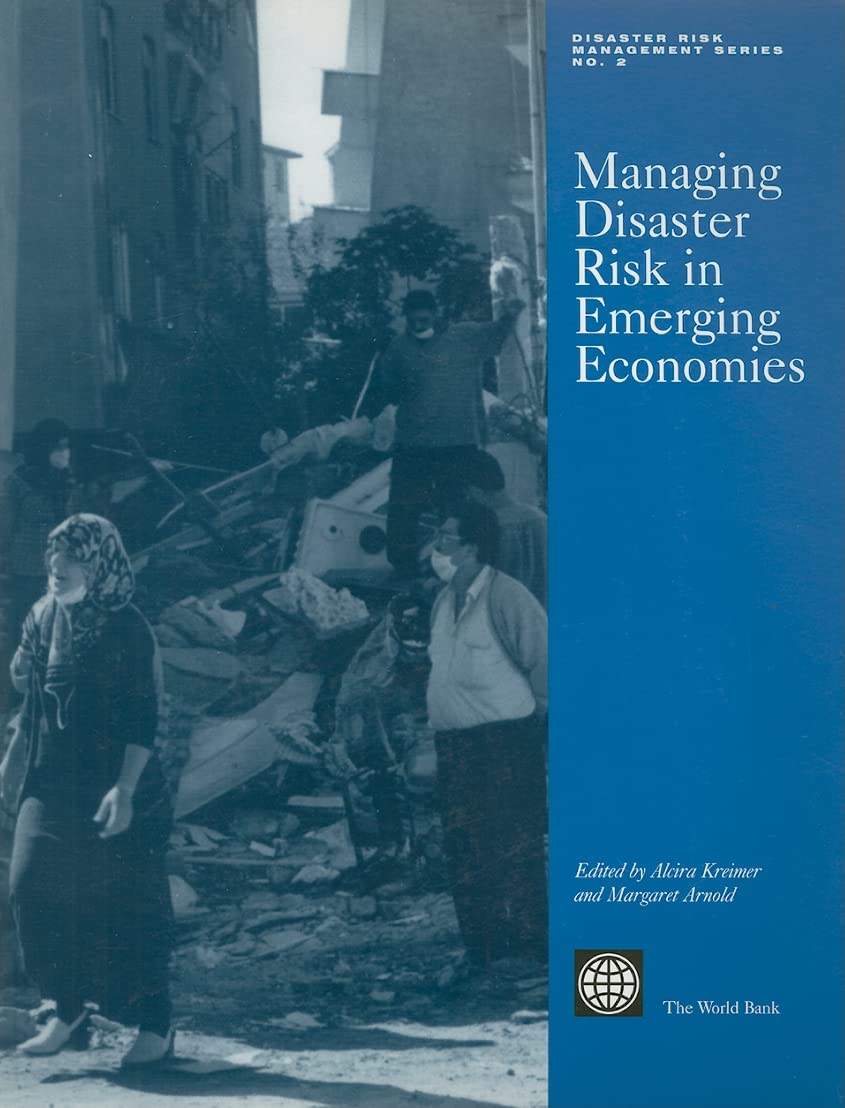
'...Disaster losses include not only the shocking direct impacts that we see on the news, such as the loss of life, housing, and infrastructure, but also indirect impacts such as the foregone production of goods and services caused by interruptions in utility services, transport, labor supplies, suppliers, or markets.' Although natural disasters have long been considered a tragic interruption to the development process, the development community now links disasters to development. An earthquake in San Fernando, California may suffer the equal amount of direct economic loss as an earthquake in Venezuela. The disasters differ in the recovery time and loss of life experienced by each country. In the end, the recovery factors become an issue of basic development. It is doing development right and making sure that human activities contribute to reducing disasters rather than exacerbating them. 'Managing Disaster Risk in Emerging Economies' is organized into three parts. Part I on risk identification contains chapters on the economic impacts of natural disasters in developing countries, including flooding. It includes Buenos Aires as an example. It also presents time scales of climate and disaster. The second part explores aspects of reducing disaster risk. Part III examines strategies for developing countries to share and transfer disaster risk more effectively. This volume will be of interest to academics, the private sector, government and international agencies, nongovernmental organizations, and Bank staff.
⚠️ WARNING (California Proposition 65):
This product may contain chemicals known to the State of California to cause cancer, birth defects, or other reproductive harm.
For more information, please visit www.P65Warnings.ca.gov.