
Title
Manhunts: A Philosophical History,Used
Sold by Ergodebooks, an authorized reseller.
Returns accepted within 30 days | support@ergodebooks.com
Shipping Information
- Free Standard Shipping — United States only
- Processing Time: 3–5 business days
- Estimated Delivery: 6–10 business days after dispatch
- Double-boxed, fully insured & discreetly packaged
- Tracking number sent via email once dispatched
Returns & Refund
Returns accepted within 30 days of delivery.
Damaged or Defective Item
Free return shipping + replacement or full refund
Wrong Item Received
Free return shipping + replacement or full refund
Change of Mind
Return shipping at customer's expense · 25% restocking fee applies
Payment Option

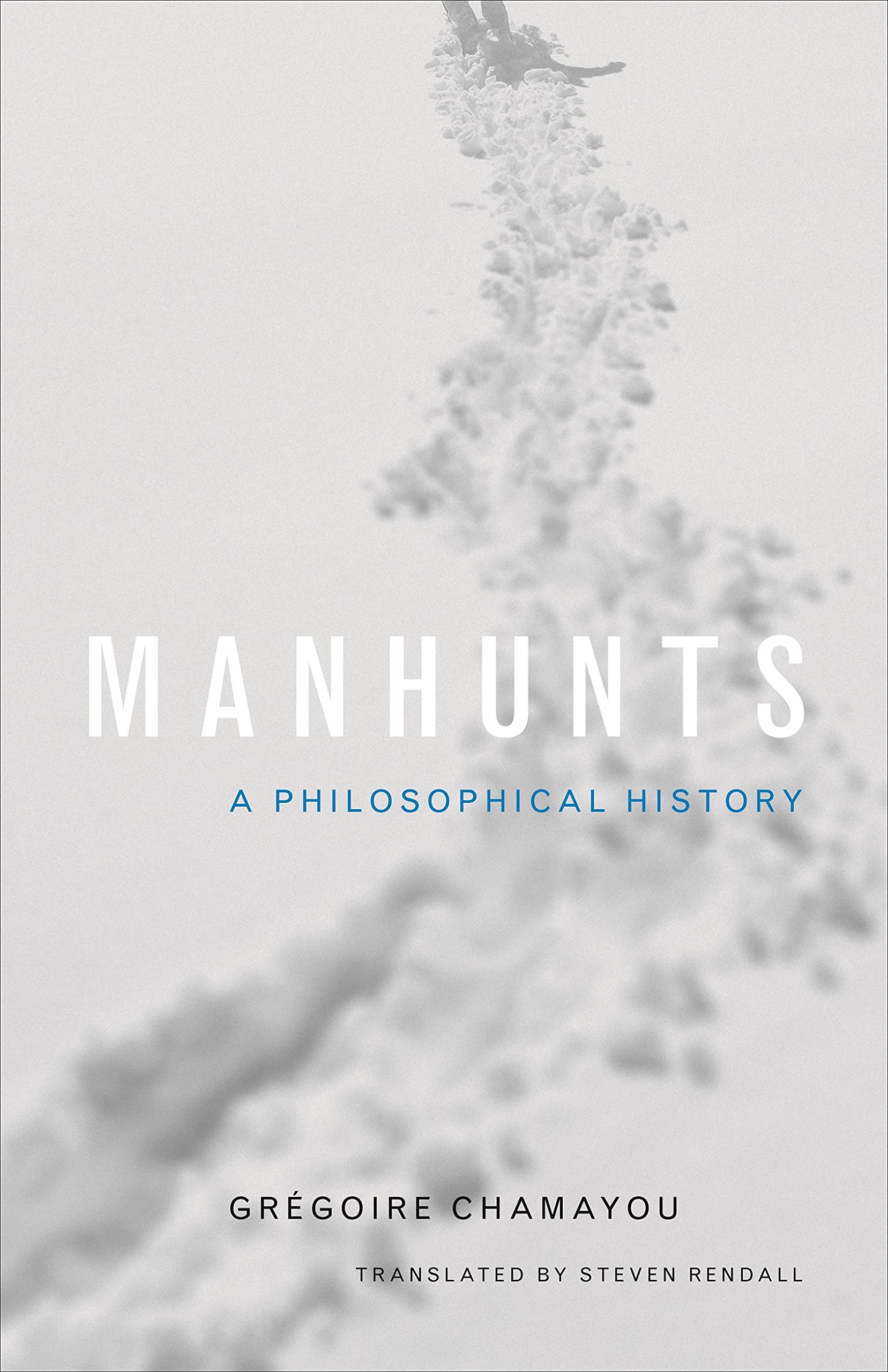
A comprehensive history of manhunting in the West, from ancient times to the presentTouching on issues of power, authority, and domination, Manhunts takes an indepth look at the hunting of humans in the West, from ancient Sparta, through the Middle Ages, to the modern practices of chasing undocumented migrants. Incorporating historical events and philosophical reflection, Grgoire Chamayou examines the systematic and organized search for individuals and small groups on the run because they have defied authority, committed crimes, seemed dangerous simply for existing, or been categorized as subhuman or dispensable.Chamayou begins in ancient Greece, where young Spartans hunted and killed Helots (Sparta's serfs) as an initiation rite, and where Aristotle and other philosophers helped to justify raids to capture and enslave foreigners by creating the concept of natural slaves. He discusses the hunt for heretics in the Middle Ages; New World natives in the early modern period; vagrants, Jews, criminals, and runaway slaves in other eras; and illegal immigrants today. Exploring evolving ideas about the human and the subhuman, what we owe to enemies and people on the margins of society, and the supposed legitimacy of domination, Chamayou shows that the hunting of humans should not be treated ahistorically, and that manhunting has varied as widely in its justifications and aims as in its practices. He investigates the psychology of manhunting, noting that many people, from bounty hunters to Balzac, have written about the thrill of hunting when the prey is equally intelligent and cunning.An unconventional history on an unconventional subject, Manhunts is an indepth consideration of the dynamics of an ageold form of violence.
⚠️ WARNING (California Proposition 65):
This product may contain chemicals known to the State of California to cause cancer, birth defects, or other reproductive harm.
For more information, please visit www.P65Warnings.ca.gov.
- Q: What is the page count of 'Manhunts: A Philosophical History'? A: The book contains two hundred thirty-two pages. This length provides a comprehensive exploration of manhunting throughout history.
- Q: What is the binding type of this book? A: This book features a hardcover binding. Hardcover books are known for their durability and quality.
- Q: Who is the author of 'Manhunts'? A: The author is Grégoire Chamayou. He provides a philosophical analysis of manhunting practices.
- Q: What is the main theme of 'Manhunts'? A: The main theme explores the historical and philosophical aspects of manhunting. It examines power dynamics and the categorization of humans.
- Q: Is 'Manhunts' suitable for academic study? A: Yes, this book is suitable for academic study. It provides in-depth historical analysis relevant to various fields.
- Q: What historical periods does 'Manhunts' cover? A: The book covers various historical periods from ancient Greece to modern times. It includes discussions on practices from ancient Sparta to contemporary issues.
- Q: How does Chamayou approach the topic of manhunting? A: Chamayou approaches manhunting through historical events and philosophical reflection. He investigates the psychological aspects as well.
- Q: Is there any discussion of contemporary issues in the book? A: Yes, contemporary issues are discussed, particularly the hunting of undocumented migrants. The book connects historical practices to modern contexts.
- Q: Does the book address the concept of natural slaves? A: Yes, the book discusses the concept of natural slaves in relation to ancient Greece. It examines how philosophy justified these practices.
- Q: What kind of audience would benefit from reading 'Manhunts'? A: Scholars, students, and anyone interested in history and philosophy would benefit from this book. It provides deep insights into complex themes.
- Q: How does the book examine the psychology of manhunting? A: The book examines the psychology of manhunting by analyzing the thrill experienced by hunters. It discusses motivations and the impact of such practices.
- Q: What is the significance of the title 'Manhunts'? A: The title signifies a focus on the pursuit of individuals throughout history. It encapsulates the book's exploration of human dynamics and violence.
- Q: Is this book recommended for general readers? A: Yes, it is recommended for general readers with an interest in philosophical and historical topics. The writing is accessible for a broader audience.
- Q: What type of violence is discussed in 'Manhunts'? A: The book discusses systemic and organized violence against humans. It looks at various justifications and practices throughout history.
- Q: Can this book be used for discussions on ethics? A: Yes, it can be used for discussions on ethics. The philosophical reflections encourage critical thinking about authority and domination.