If you have any questions, you are always welcome to contact us. We'll get back to you as soon as possible, withing 24 hours on weekdays.
Customer service
All questions about your order, return and delivery must be sent to our customer service team by e-mail at yourstore@yourdomain.com
Sale & Press
If you are interested in selling our products, need more information about our brand or wish to make a collaboration, please contact us at press@yourdomain.com
Help
If you have any questions, you are always welcome to contact us. We'll get back to you as soon as possible, withing 24 hours on weekdays.
Customer service
All questions about your order, return and delivery must be sent to our customer service team by e-mail at yourstore@yourdomain.com
Sale & Press
If you are interested in selling our products, need more information about our brand or wish to make a collaboration, please contact us at press@yourdomain.com
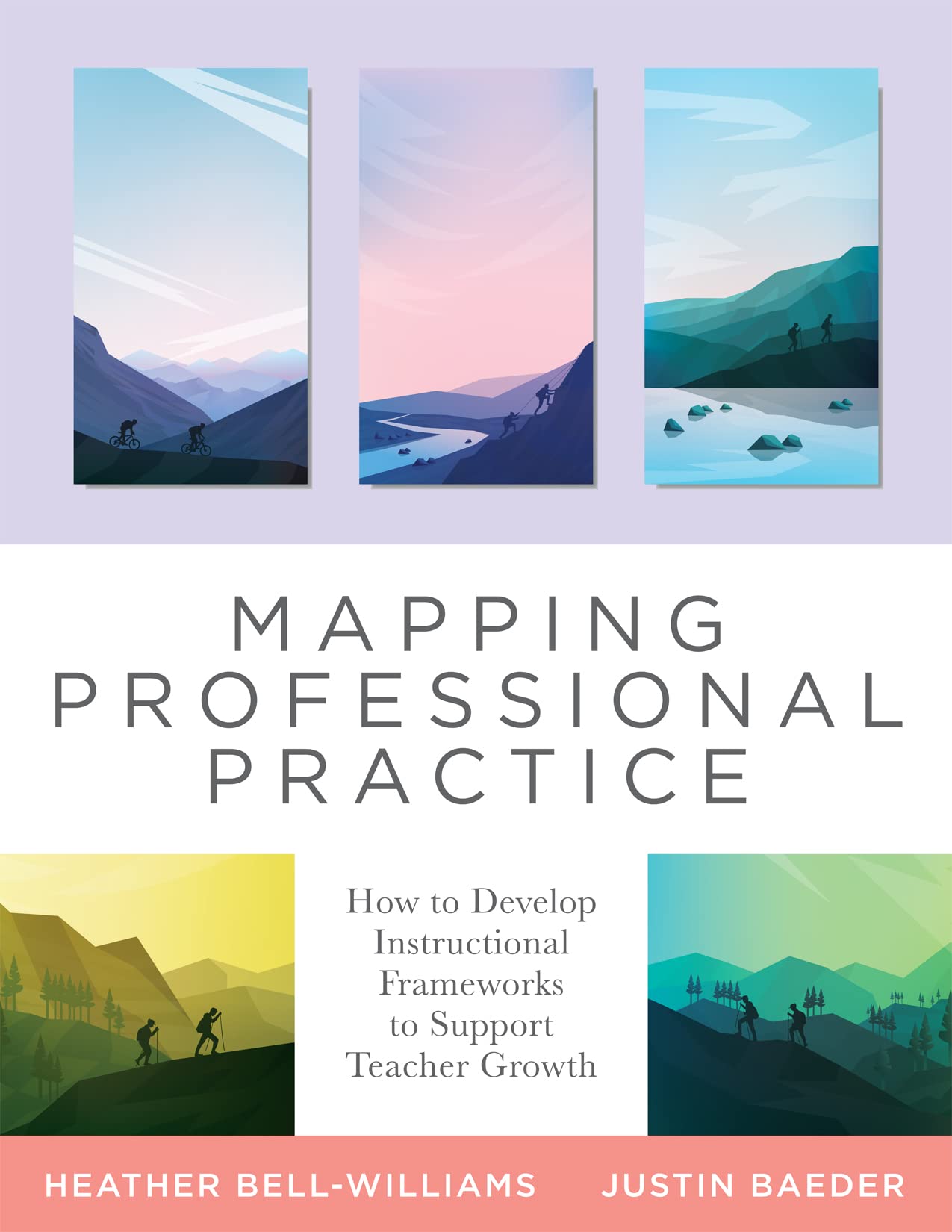
Put into action, instructional frameworks help teachers locate their current level of fluency, focus on the key dimensions of professional judgment, and take their practice to the next level. Discover how to accelerate teacher growth by taking the insiders view of practice, articulating key dimensions of professional judgment to create clear growth pathways for teachers at every level of fluency.Teacher leaders, administrators, and instructional coaches will gain a replicable process for: Identifying the most promising areas of focus Drafting and piloting an initial framework Getting input and feedback from teachers Articulating a vision for exemplary practice Building momentum and overcoming resistance to changeContents:IntroductionPart 1: What Are Instructional Frameworks?Chapter 1: Defining and Developing Instructional FrameworksChapter 2: Making Shared Expectations More SpecificChapter 3: Instructional Frameworks in ActionCase StudiesPart 2: How to Develop Instructional FrameworksChapter 4: Choose a FocusChapter 5: Bounding Your Improvement FocusChapter 6: Identifying Key ComponentsChapter 7: Articulating Levels of FluencyChapter 8: Getting Started and Getting InputPart 3: Instructional Frameworks in ActionChapter 9: Using Instructional Frameworks for Teacher GrowthChapter 10: Broader Applications for Instructional FrameworksChapter 11: Supporting OrganizationLevel Initiatives With Instructional FrameworksConclusion: Coming Full CircleAppendix AQReferences and ResourcesIndex
⚠️ WARNING (California Proposition 65):
This product may contain chemicals known to the State of California to cause cancer,
birth defects, or other reproductive harm.
For MAP (Minimum Advertised Price) violations and Intellectual Property (IP) or Trademark concerns, please contact:
support@ergodebooks.com
⚠️ California Proposition 65 Warning: Some products sold on this website may expose you to chemicals known to the State of California to cause cancer, birth defects, or other reproductive harm. For more information, visit www.P65Warnings.ca.gov.