If you have any questions, you are always welcome to contact us. We'll get back to you as soon as possible, withing 24 hours on weekdays.
Customer service
All questions about your order, return and delivery must be sent to our customer service team by e-mail at yourstore@yourdomain.com
Sale & Press
If you are interested in selling our products, need more information about our brand or wish to make a collaboration, please contact us at press@yourdomain.com
Help
If you have any questions, you are always welcome to contact us. We'll get back to you as soon as possible, withing 24 hours on weekdays.
Customer service
All questions about your order, return and delivery must be sent to our customer service team by e-mail at yourstore@yourdomain.com
Sale & Press
If you are interested in selling our products, need more information about our brand or wish to make a collaboration, please contact us at press@yourdomain.com
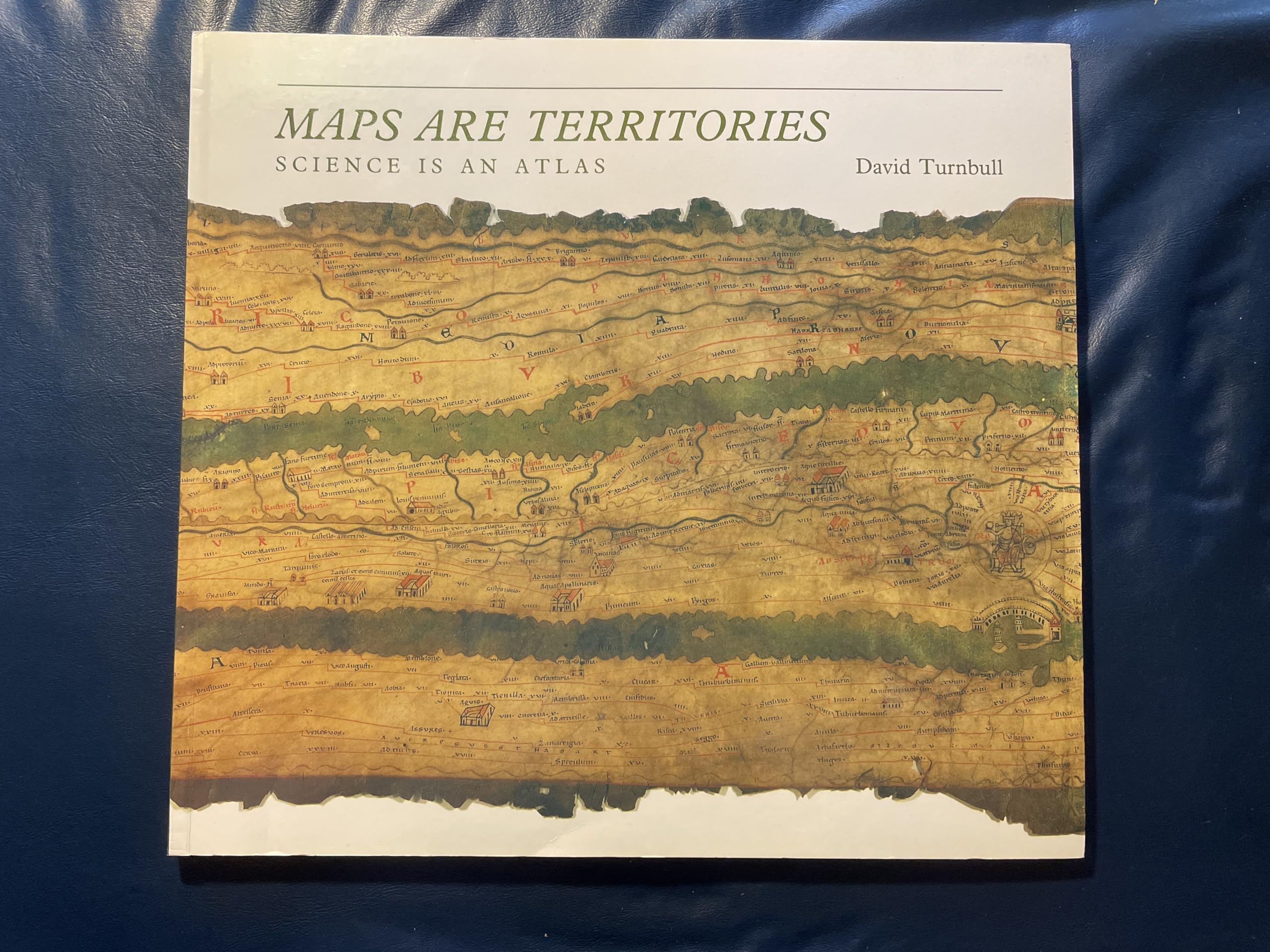
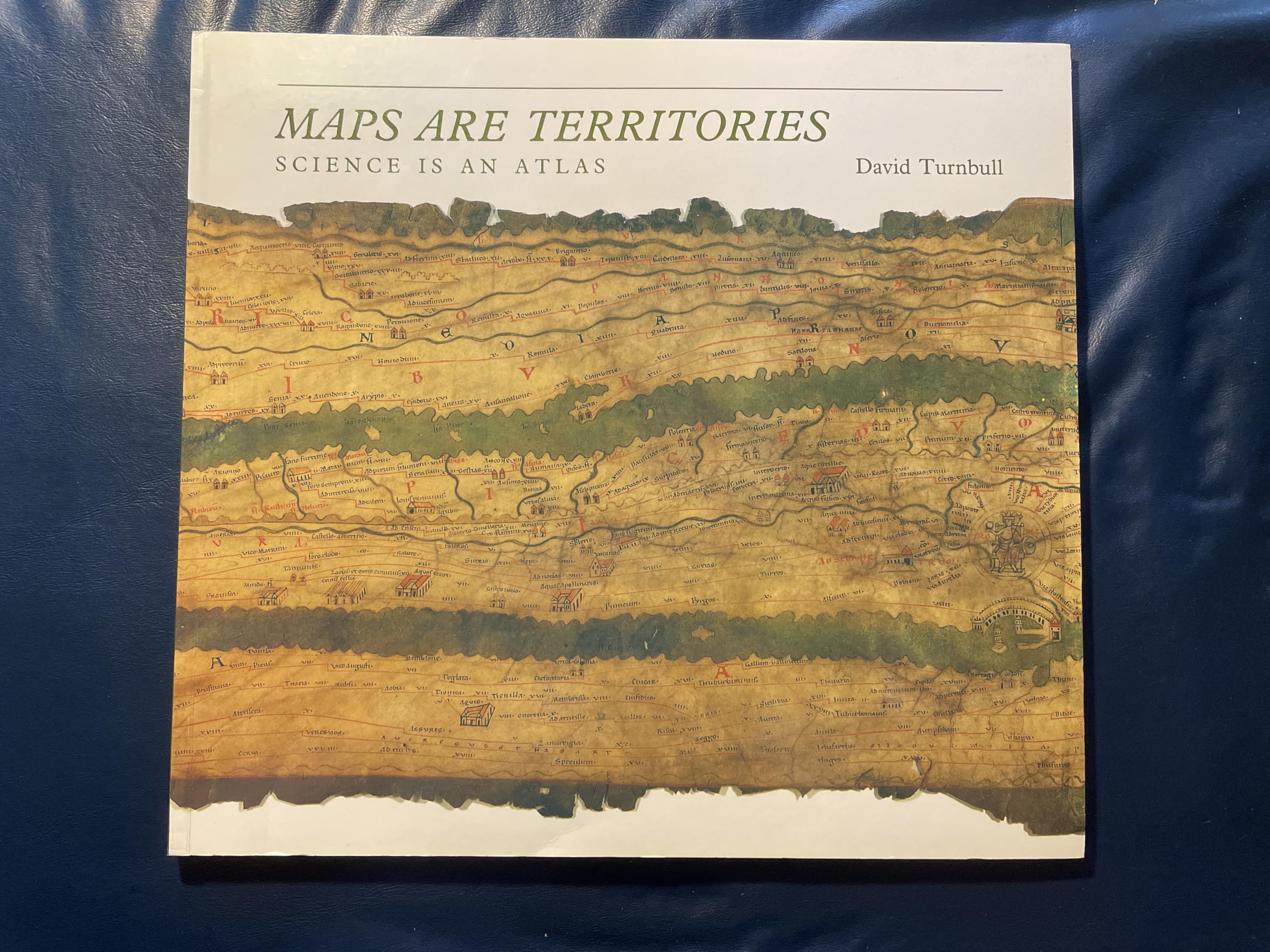
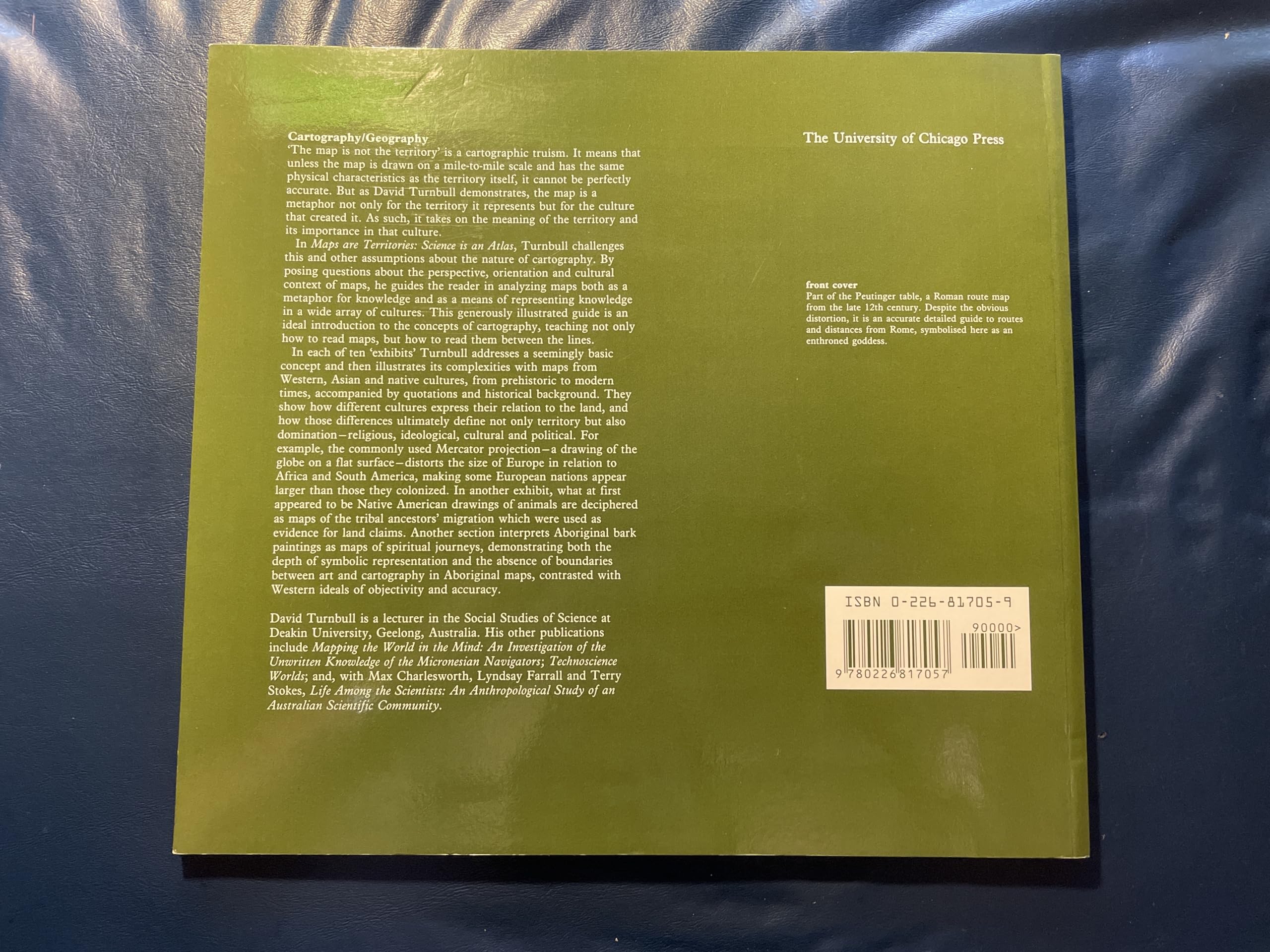
The Map Is Not The Territory' Is A Cartographic Truism. It Means That Unless The Map Is Drawn On A Miletomile Scale And Has The Same Physical Characteristics As The Territory Itself, It Cannot Be Perfectly Accurate. But As David Turnbull Demonstrates, The Map Is A Metaphor Not Only For The Territory It Represents But For The Culture That Created It. As Such, It Takes On The Meaning Of The Territory And Its Importance In That Culture.In This Ingenious Book, Turnbull Challenges Common Assumptions About The Nature Of Cartography. In Each Of Ten 'Exhibits' He Addresses A Seemingly Basic Conceptthat A Map Is Be Factually Accurate, For Example, Or That Its Symbols Refer To Concrete Elements Of The Landscapeand Then Illustrates Its Complexities With Maps From Western, Asian, And Native Cultures, From Prehistoric To Modern Times, Accompanied By Quotations And Historical Background. The 'Exhibits' Show How Different Cultures Express Their Relation To The Land, And How Those Differences Ultimately Define Not Only Territory But Also Dominationreligious, Ideological, Cultural, And Political.An Ideal Introduction To The Concepts Of Cartography, This Book Teaches Not Only How To Read Maps, But How To Read Them Between The Lines.
⚠️ WARNING (California Proposition 65):
This product may contain chemicals known to the State of California to cause cancer,
birth defects, or other reproductive harm.
Q: What are the dimensions of this book?A: This book measures nine point seven six inches in length, eight point seven five inches in height, and zero point two five inches in width. It is a compact paperback edition.
Q: How many pages does this book have?A: This book contains seventy-two pages. It provides a concise yet informative exploration of cartography.
Q: What type of binding does this book have?A: This book has a paperback binding. This makes it lightweight and easy to handle for reading.
Q: How do I read and interpret the maps in this book?A: You can read the maps by paying attention to both the symbols and the context provided in the text. The author guides you through the complexities of each map.
Q: Is this book suitable for beginners in cartography?A: Yes, this book is suitable for beginners. It serves as an ideal introduction to the concepts of cartography.
Q: Can I use this book for academic studies?A: Yes, this book can be used for academic studies. It includes historical background and analysis that can aid in understanding cartographic concepts.
Q: How should I store this book to keep it in good condition?A: Store this book in a cool, dry place away from direct sunlight. This will help preserve its quality and prevent damage.
Q: Can I clean the book if it gets dirty?A: Yes, you can clean the book gently with a dry cloth. Avoid using any liquids as they may damage the pages.
Q: Is this book appropriate for children?A: Yes, this book is appropriate for older children interested in maps and culture. However, it may require adult guidance for younger readers.
Q: What makes this book different from other cartography books?A: This book uniquely combines cultural perspectives with cartographic principles, illustrating how maps reflect cultural values and ideologies.
Q: What if the book arrives damaged?A: If the book arrives damaged, you should contact the seller immediately for a replacement or refund. Keep the original packaging for reference.
Q: Is there a warranty for this book?A: Books typically do not come with warranties. However, check with the seller for their return policy or satisfaction guarantee.
Q: How long can I keep this book before returning it?A: Return policies vary, but typically, you can keep the book for thirty days before needing to return it. Always verify with the seller.
Q: Can I find similar content in other formats?A: Yes, similar content may be available in other formats like e-books or audiobooks. Check with your preferred retailer for options.
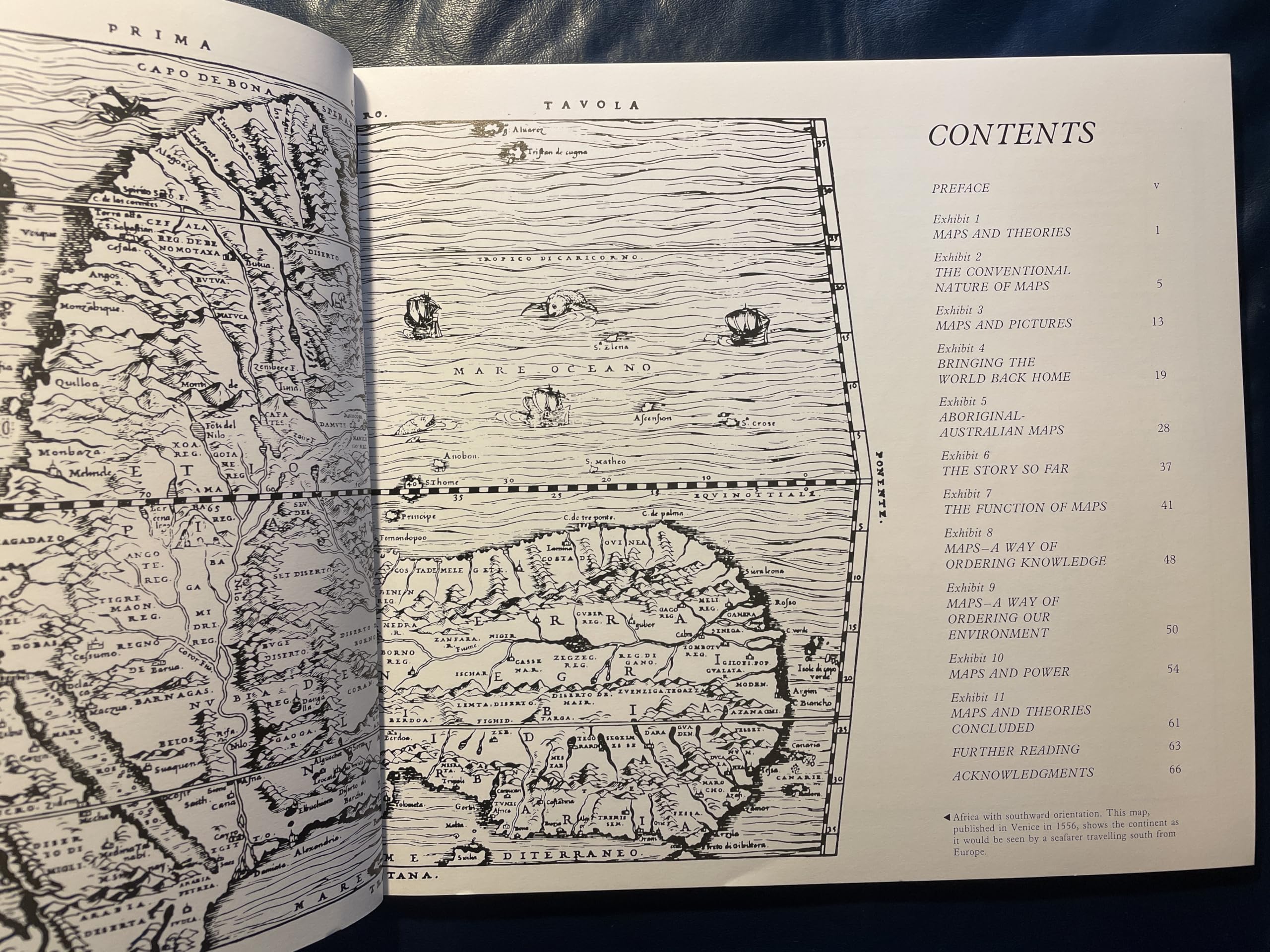
Q: Does this book offer any illustrations or maps?A: Yes, the book includes various maps and illustrations. These visual elements enhance the understanding of the discussed concepts.
Q: Who is the author of this book?A: The author of this book is David Turnbull. He provides insights into the relationship between maps and culture.
For MAP (Minimum Advertised Price) violations and Intellectual Property (IP) or Trademark concerns, please contact:
support@ergodebooks.com
⚠️ California Proposition 65 Warning: Some products sold on this website may expose you to chemicals known to the State of California to cause cancer, birth defects, or other reproductive harm. For more information, visit www.P65Warnings.ca.gov.