
Title
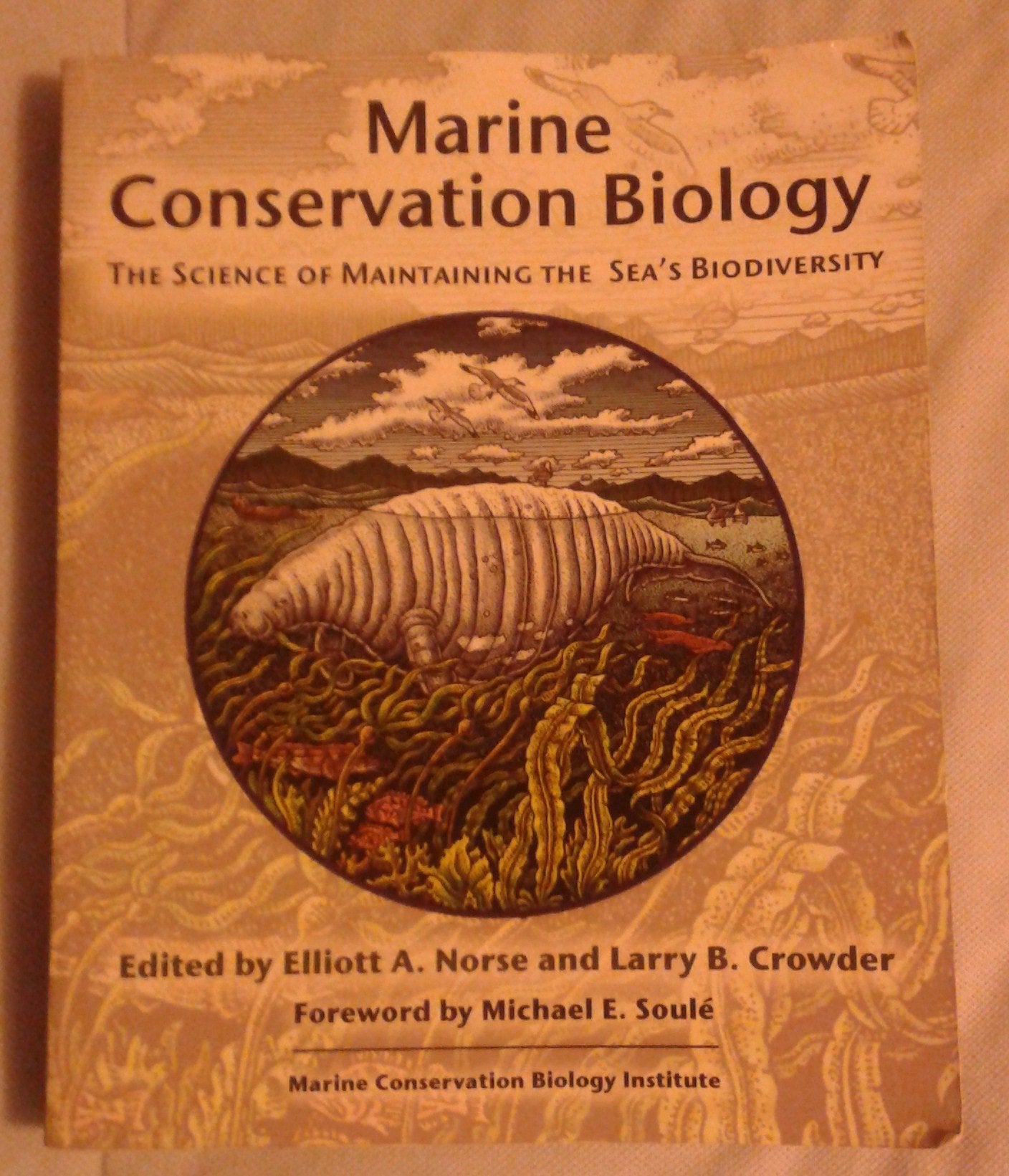
Marine Conservation Biology: The Science of Maintaining the Sea's Biodiversity,Used
Sold by Ergodebooks, an authorized reseller.
Returns accepted within 30 days | support@ergodebooks.com
Shipping Information
- Free Standard Shipping — United States only
- Processing Time: 3–5 business days
- Estimated Delivery: 6–10 business days after dispatch
- Double-boxed, fully insured & discreetly packaged
- Tracking number sent via email once dispatched
Returns & Refund
Returns accepted within 30 days of delivery.
Damaged or Defective Item
Free return shipping + replacement or full refund
Wrong Item Received
Free return shipping + replacement or full refund
Change of Mind
Return shipping at customer's expense · 25% restocking fee applies
Payment Option

Humans are terrestrial animals, and our capacity to see and understand the importance and vulnerability of life in the sea has trailed our growing ability to harm it. While conservation biologists are working to address environmental problems humans have created on land, loss of marine biodiversity, including extinctions and habitat degradation, has received much less attention. At the same time, marine sciences such as oceanography and fisheries biology have largely ignored issues of conservation.Marine Conservation Biology brings together for the first time in a single volume, leading experts from around the world to apply the lessons and thinking of conservation biology to marine issues. Contributors including James M. Acheson, Louis W. Botsford, James T. Carlton, Kristina Gjerde, Selina S. Heppell, Ransom A. Myers, Julia K. Parrish, Stephen R. Palumbi, and Daniel Pauly offer penetrating insights on the nature of marine biodiversity, what threatens it, and what humans can and must do to recover the biological integrity of the world's estuaries, coastal seas, and oceans.Sections examine: distinctive aspects of marine populations and ecosystems; threats to marine biological diversity, singly and in combination; placebased management of marine ecosystems; the oftenneglected human dimensions of marine conservation.Marine Conservation Biology breaks new ground by creating the conceptual framework for the new field of marine conservation biology the science of protecting, recovering, and sustainably using the living sea. It synthesizes the latest knowledge and ideas from leading thinkers in disciplines ranging from larval biology to sociology, making it a mustread for research and teaching faculty, postdoctoral fellows, and graduate and advanced undergraduate students (who share an interest in bringing conservation biology to marine issues). Likewise, its lucid scientific examinations illuminate key issues facing environmental managers, policymakers, advocates, and funders concerned with the health of our oceans.
⚠️ WARNING (California Proposition 65):
This product may contain chemicals known to the State of California to cause cancer, birth defects, or other reproductive harm.
For more information, please visit www.P65Warnings.ca.gov.
- Q: How many pages does this book have? A: This book has four hundred ninety-six pages. It provides extensive insights into marine conservation and biodiversity.
- Q: What is the binding type of this book? A: The binding type is paperback. This makes it lightweight and easy to carry for readers.
- Q: What are the dimensions of this book? A: The book measures eight inches in length, zero point nine one inches in width, and ten inches in height.
- Q: Who is the author of this book? A: The author is the Marine Conservation Biology Institute. They compile insights from various experts in the field.
- Q: What is the main subject of this book? A: The main subject is marine conservation biology. It addresses the science of protecting and sustainably using marine ecosystems.
- Q: Is this book suitable for undergraduate students? A: Yes, this book is suitable for advanced undergraduate students. It provides a comprehensive overview of marine conservation issues.
- Q: What topics does the book cover? A: The book covers threats to marine biodiversity, management of marine ecosystems, and human dimensions of conservation.
- Q: Can this book help policymakers? A: Yes, it offers key insights that are valuable for policymakers concerned with ocean health.
- Q: Is this book intended for beginners? A: No, it is more suited for those with a foundational understanding of conservation biology.
- Q: How should I store this book? A: Store this book in a cool, dry place to preserve its condition. Avoid direct sunlight to prevent fading.
- Q: Can I return this book if I'm not satisfied? A: Yes, you can return the book if you are not satisfied with it. Check the return policy for specific conditions.
- Q: What if the book arrives damaged? A: If the book arrives damaged, contact customer support for assistance with a replacement or refund.
- Q: Is there a warranty for this book? A: No, books typically do not come with a warranty. However, check the retailer's policy for details.
- Q: How do I care for my paperback book? A: Keep it away from moisture and avoid bending the spine to maintain its condition.
- Q: Does this book include illustrations? A: Yes, it is illustrated. The visuals complement the text and enhance understanding of marine concepts.