
Title
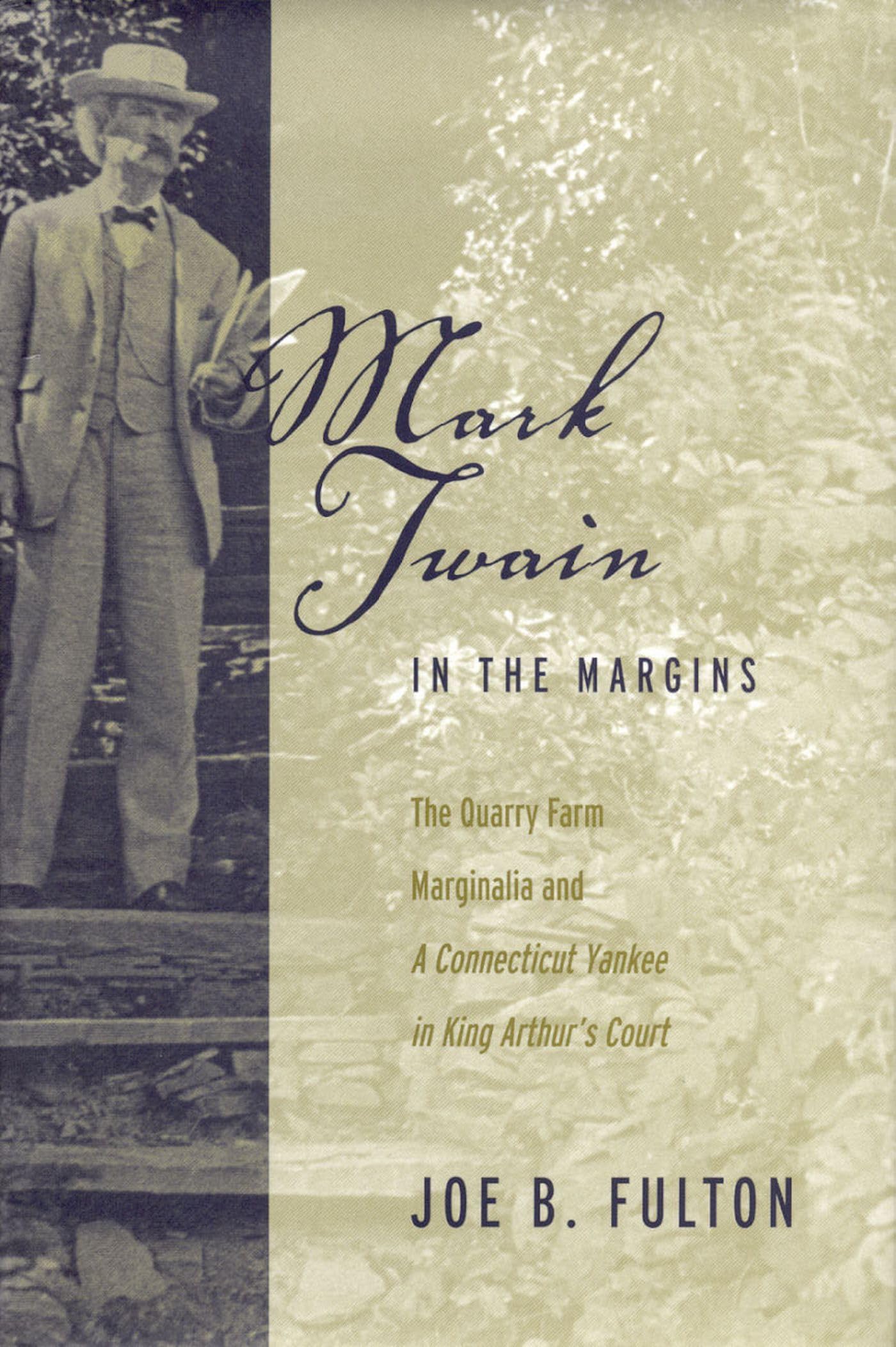
Mark Twain In The Margins: The Quarry Farm Marginalia And A Connecticut Yankee In King Arthur'S Court (Studies In American Liter,New
Sold by Ergodebooks, an authorized reseller.
Returns accepted within 30 days | support@ergodebooks.com
Shipping Information
- Free Standard Shipping — United States only
- Processing Time: 3–5 business days
- Estimated Delivery: 6–10 business days after dispatch
- Double-boxed, fully insured & discreetly packaged
- Tracking number sent via email once dispatched
Returns & Refund
Returns accepted within 30 days of delivery.
Damaged or Defective Item
Free return shipping + replacement or full refund
Wrong Item Received
Free return shipping + replacement or full refund
Change of Mind
Return shipping at customer's expense · 25% restocking fee applies
Payment Option

The Common Characterization Of Mark Twain As An Uneducated And Improvisational Writer Took Hold Largely Because Of The Novelist'S Own Frequent Claims About His Writing Practices. But Using Recently Discovered Evidencetwain'S Marginal Notes In Books He Consulted As He Worked On A Connecticut Yankee In King Arthur'S Courtjoe Fulton Argues For A Reconsideration Of Scholarly Views About Twain'S Writing Process, Showing That This Great American Author Crafted His Novels With Careful Research And Calculated Design.Fulton Analyzes Twain'S Voluminous Marginalia In The Copies Of Macaulay'S History Of England, Carlyle'S History Of The French Revolution, And Lecky'S History Of The Rise Of Rationalism And England In The Eighteenth Century Available To Twain In The Library Of Quarry Farm, The New York Farm Where The Novelist And His Family Routinely Spent Their Summers. Comparing These Marginal Notes To Entries In Twain'S Writing Journal, The Manuscript Of Connecticut Yankee, And The Book As Published In 1889, Fulton Establishes That Twain'S Research Decisively Influenced The Novel. Fulton Reveals Twain To Be Both The Writer From Experience He Claimed To Be And The Careful Craftsman That He Attempted To Downplay. By Redefining Twain'S Aesthetic, Fulton Reinvigorates Current Debates About What Constitutes Literary Realism.Fulton'S Transcriptions Of The Marginalia Appear In An Appendix; Together With His Analysis, They Provide A Valuable New Resource For Twain Scholars.
⚠️ WARNING (California Proposition 65):
This product may contain chemicals known to the State of California to cause cancer, birth defects, or other reproductive harm.
For more information, please visit www.P65Warnings.ca.gov.
- Q: What is the binding type of the book? A: The binding type is hardcover. This ensures durability and longevity, making it suitable for repeated reading.
- Q: How many pages does the book have? A: The book contains two hundred twenty-four pages. This length provides a comprehensive exploration of Mark Twain's marginalia.
- Q: What are the dimensions of the book? A: The dimensions are six inches in length, nine and a quarter inches in height, and three-quarters of an inch in width. These dimensions make it portable for reading.
- Q: What genre does this book belong to? A: The book falls under the category of Criticism and Theory. It offers a scholarly analysis of Mark Twain's writing process.
- Q: Who is the author of this book? A: The author is Joe B. Fulton. He provides a detailed examination of Twain's writing practices through recently discovered evidence.
- Q: How does the author support his arguments in the book? A: The author analyzes Twain's marginal notes and compares them to his writing journal and published manuscript. This approach reveals Twain's careful crafting of his novels.
- Q: Is this book suitable for academic purposes? A: Yes, it is suitable for academic purposes. The book provides valuable insights and primary sources for scholars studying Mark Twain.
- Q: Can this book be used for casual reading? A: Yes, it can be used for casual reading. Readers interested in literary analysis and American literature will find it engaging.
- Q: Are there any illustrations or images in the book? A: No, the book primarily consists of text and transcriptions of Twain's marginalia. It is focused on analysis rather than illustrations.
- Q: What is the condition of the used book? A: The book is in good condition. It has been previously owned but remains intact for continued use.
- Q: How should I store this book for longevity? A: Store the book in a cool, dry place away from direct sunlight. This will help preserve the binding and pages over time.
- Q: Can I read this book if I'm new to literary criticism? A: Yes, beginners can read this book. While it offers scholarly insights, it is written in a way that is accessible for general readers.
- Q: Is there a specific audience this book targets? A: The primary audience includes Twain scholars and literary enthusiasts. However, anyone interested in American literature can benefit from it.
- Q: What should I do if the book arrives damaged? A: If the book arrives damaged, contact the seller for a return or exchange. Most sellers have policies in place for such situations.
- Q: What makes this book different from other Twain studies? A: This book uniquely focuses on Twain's marginal notes, providing fresh insights into his writing process compared to other studies.
- Q: Is there an appendix in the book? A: Yes, there is an appendix containing transcriptions of Twain's marginalia. This serves as a valuable resource for deeper study.