
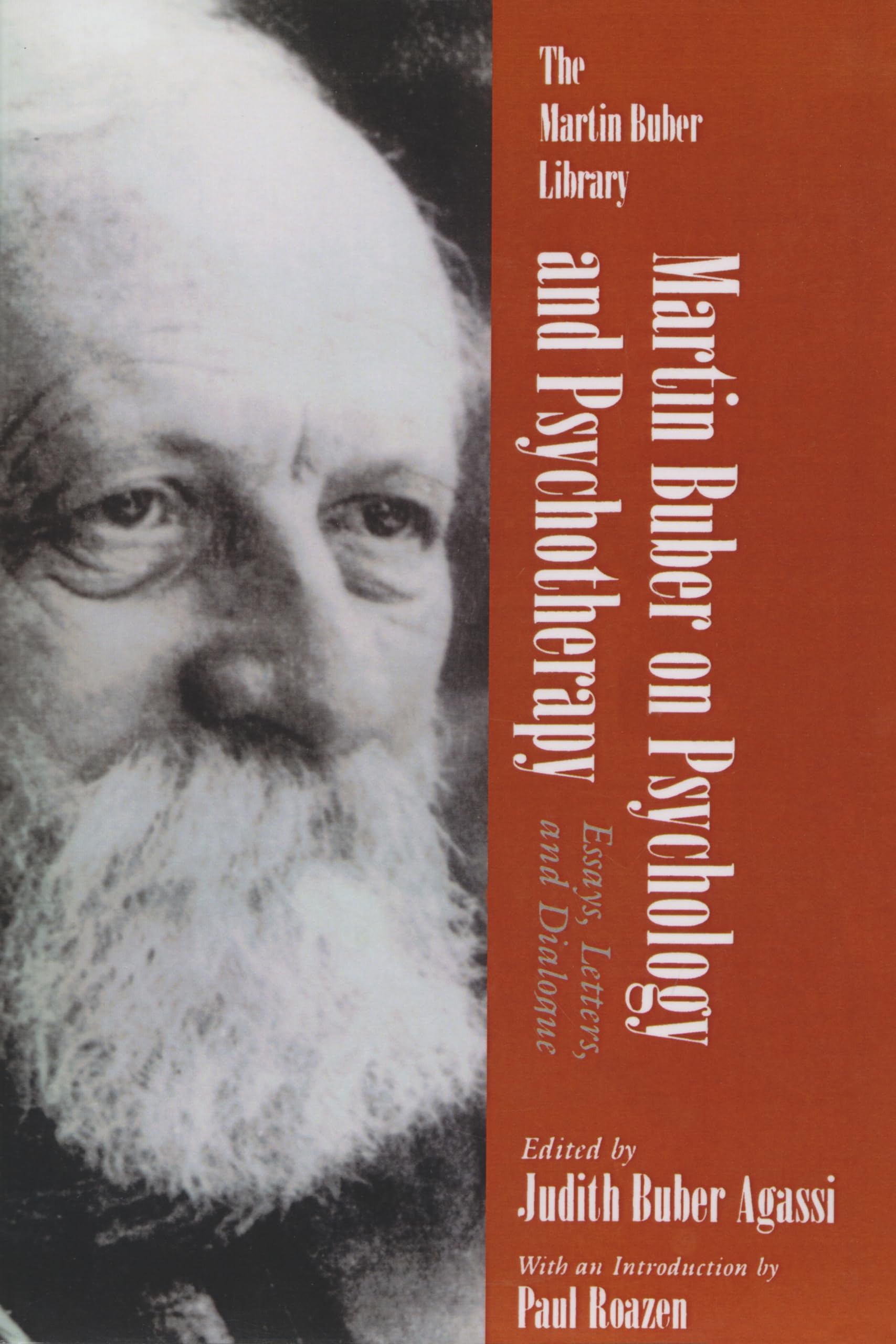
Title
Martin Buber On Psychology And Psychotherapy: Essays, Letters, And Dialogue (Martin Buber Library),Used
Sold by Ergodebooks, an authorized reseller.
Returns accepted within 30 days | support@ergodebooks.com
Shipping Information
- Free Standard Shipping — United States only
- Processing Time: 3–5 business days
- Estimated Delivery: 6–10 business days after dispatch
- Double-boxed, fully insured & discreetly packaged
- Tracking number sent via email once dispatched
Returns & Refund
Returns accepted within 30 days of delivery.
Damaged or Defective Item
Free return shipping + replacement or full refund
Wrong Item Received
Free return shipping + replacement or full refund
Change of Mind
Return shipping at customer's expense · 25% restocking fee applies
Payment Option

Buber came to play a role in the development of socalled third force psychology. . . . In the exchange between Buber and [Carl] Rogers, one can see how far they both were from the world of Freud, which presumes an omniscient analyst dealing with curiously foolish neurotics. Freuds aloofness might have been self deception, but he never advocated anything like the mutual giveandtake that Buber and Rogers had in mind. . . . Bubers mind was in another world from that of early psychoanalysis, and the passage of time has shown how relevant his thinking can be to how we approach the healing professions.from the Introduction
⚠️ WARNING (California Proposition 65):
This product may contain chemicals known to the State of California to cause cancer, birth defects, or other reproductive harm.
For more information, please visit www.P65Warnings.ca.gov.
- Q: How many pages are in Martin Buber on Psychology and Psychotherapy? A: This book contains two hundred fifty-six pages. It provides a comprehensive insight into Buber's thoughts on psychology and psychotherapy.
- Q: What type of binding does this book have? A: This book is published in paperback binding. This makes it flexible and lightweight, ideal for reading on the go.
- Q: What are the dimensions of this book? A: The dimensions are six point zero four inches in length, zero point seven nine inches in width, and nine point one two inches in height. These measurements make it a standard size for easy handling.
- Q: Who is the author of Martin Buber on Psychology and Psychotherapy? A: The author is Judith Agassi. She explores Martin Buber's profound insights into psychology and psychotherapy in this collection.
- Q: What is the main topic of this book? A: The main topic is the intersection of Buber's philosophy with psychology and psychotherapy. It examines his dialogues and essays that challenge traditional psychoanalytic approaches.
- Q: Is this book suitable for beginners in psychology? A: Yes, this book is suitable for beginners. It provides foundational insights into Buber's thoughts and how they relate to modern psychology.
- Q: Can you explain how to use the insights from this book? A: Readers can apply Buber's insights by reflecting on their therapeutic practices and fostering mutual understanding in counseling relationships. This can enhance engagement with clients.
- Q: What age group is this book intended for? A: This book is intended for adults and professionals in the field of psychology. It delves into complex ideas suitable for a mature audience.
- Q: How should I store this book? A: Store this book in a cool, dry place, upright on a shelf. This will help maintain its condition and prevent damage to the cover and pages.
- Q: Is there a specific way to care for this paperback book? A: Yes, avoid exposing the book to direct sunlight and keep it away from moisture. This will help preserve its readability and prevent wear.
- Q: What if the book arrives damaged? A: If the book arrives damaged, contact the seller for a return or exchange. Most sellers have return policies in place for damaged items.
- Q: Can I return this book if I don't like it? A: Yes, you can return the book as long as it adheres to the seller's return policy. Check for specific time frames and conditions.
- Q: What if I have questions about the content of the book? A: If you have questions about the content, consider reaching out to a psychology professional or joining a discussion group. This can enhance understanding.
- Q: Is this book part of a series? A: Yes, this book is part of the Martin Buber Library series. It includes various works that explore his contributions to philosophy and psychology.
- Q: Does this book include letters or dialogues from Buber? A: Yes, the book includes essays, letters, and dialogues from Martin Buber. These provide a rich context for his thoughts on psychotherapy.
- Q: What is the publisher of this book? A: The book is published by Syracuse University Press. This publisher is known for its academic and scholarly contributions.