
Title
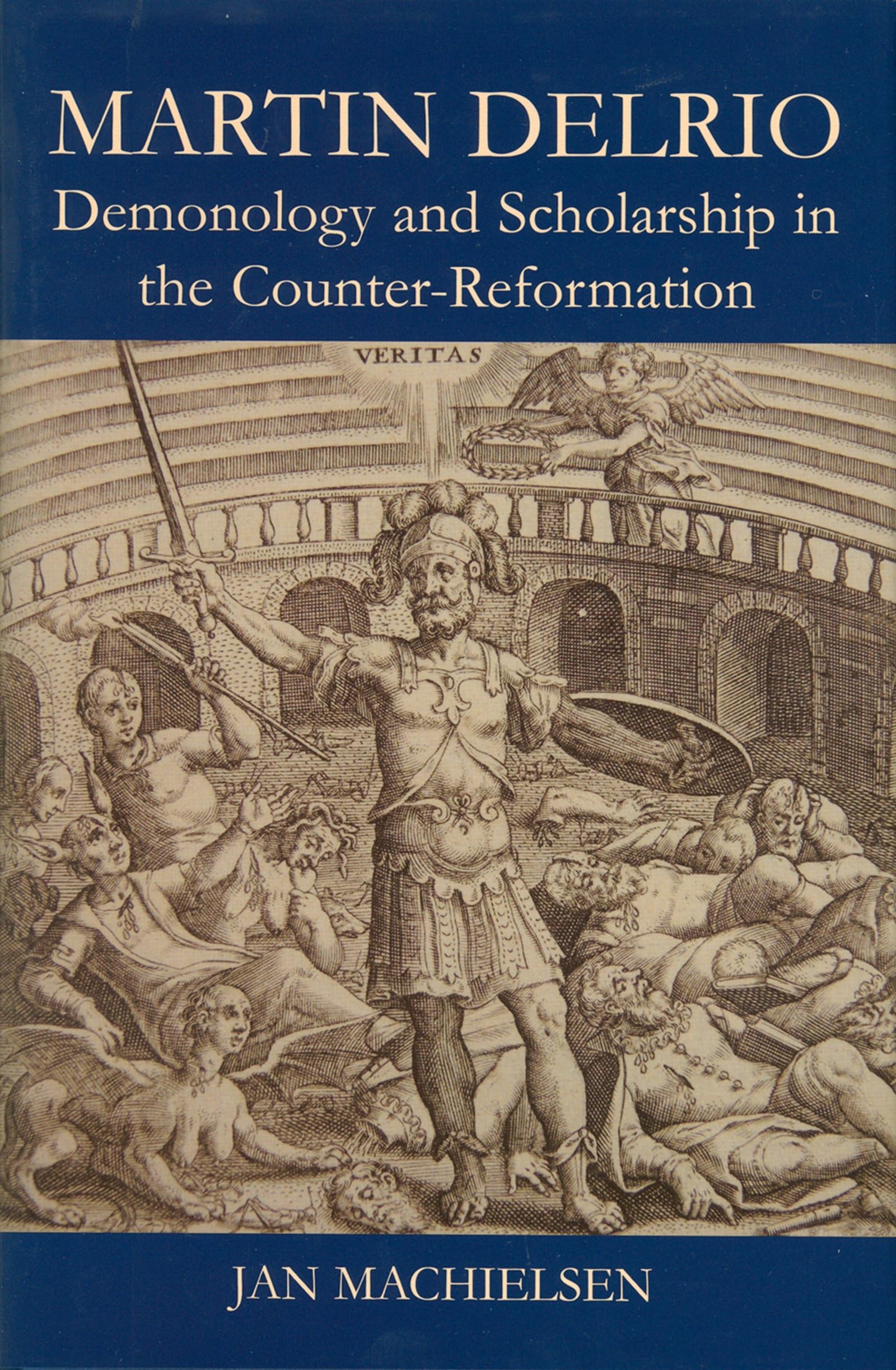
Martin Delrio: Scholarship and Demonology in the CounterReformation (British Academy Postdoctoral Fellowship Monographs),Used
Sold by Ergodebooks, an authorized reseller.
Returns accepted within 30 days | support@ergodebooks.com
Shipping Information
- Free Standard Shipping — United States only
- Processing Time: 3–5 business days
- Estimated Delivery: 6–10 business days after dispatch
- Double-boxed, fully insured & discreetly packaged
- Tracking number sent via email once dispatched
Returns & Refund
Returns accepted within 30 days of delivery.
Damaged or Defective Item
Free return shipping + replacement or full refund
Wrong Item Received
Free return shipping + replacement or full refund
Change of Mind
Return shipping at customer's expense · 25% restocking fee applies
Payment Option

If the Jesuit Martin Delrio (15511608) is remembered at all today, it is for his Disquisitiones magicae (15991600), a voluminous tome on witchcraft and superstition which was reprinted numerous times until 1755.The present volume recovers the lost world of Delrio's wider scholarship. Delrio emerges here as a figure of considerable interest not only to historians of witchcraft but to the broader fields of early modern cultural, religious and intellectual history as well. As the editor of classical texts, notably Senecan tragedy, Delrio had a number of important philological achievements to his name. A friend of the Flemish philosopher Justus Lipsius (15471606) and an enemy of the Huguenot scholar Joseph Scaliger (15401609), he played an important part in the Republic of Letters and the confessional polemics of his day. Delrio's publications after his admission to the Society of Jesus (the Disquisitiones included) marked a significant contribution to the intellectual culture of the CounterReformation. Catholic contemporaries accordingly rated him highly, but later generations proved less kind.As attitudes towards witchcraft changed, the context in which the Disquisitiones first emerged disappeared from view and its author became a byword for credulity and cruelty. Recovering this background throws important new light on a period in history when the worlds of humanism and Catholic Reform collided. In an important chapter, the book demonstrates that demonology, in Delrio's hands, was a textual science, an insight that sheds new light on the way witchcraft was believed in. At the same time, the book also develops a wider argument about the significance of Delrio's writings, arguing that the CounterReformation can also be seen as a textual project and Delrio's contribution to it as the product of a mindset forged in its fragile borderlands.
⚠️ WARNING (California Proposition 65):
This product may contain chemicals known to the State of California to cause cancer, birth defects, or other reproductive harm.
For more information, please visit www.P65Warnings.ca.gov.