
Title
Masks, Transformation, and Paradox,Used
Sold by Ergodebooks, an authorized reseller.
Returns accepted within 30 days | support@ergodebooks.com
Shipping Information
- Free Standard Shipping — United States only
- Processing Time: 3–5 business days
- Estimated Delivery: 6–10 business days after dispatch
- Double-boxed, fully insured & discreetly packaged
- Tracking number sent via email once dispatched
Returns & Refund
Returns accepted within 30 days of delivery.
Damaged or Defective Item
Free return shipping + replacement or full refund
Wrong Item Received
Free return shipping + replacement or full refund
Change of Mind
Return shipping at customer's expense · 25% restocking fee applies
Payment Option

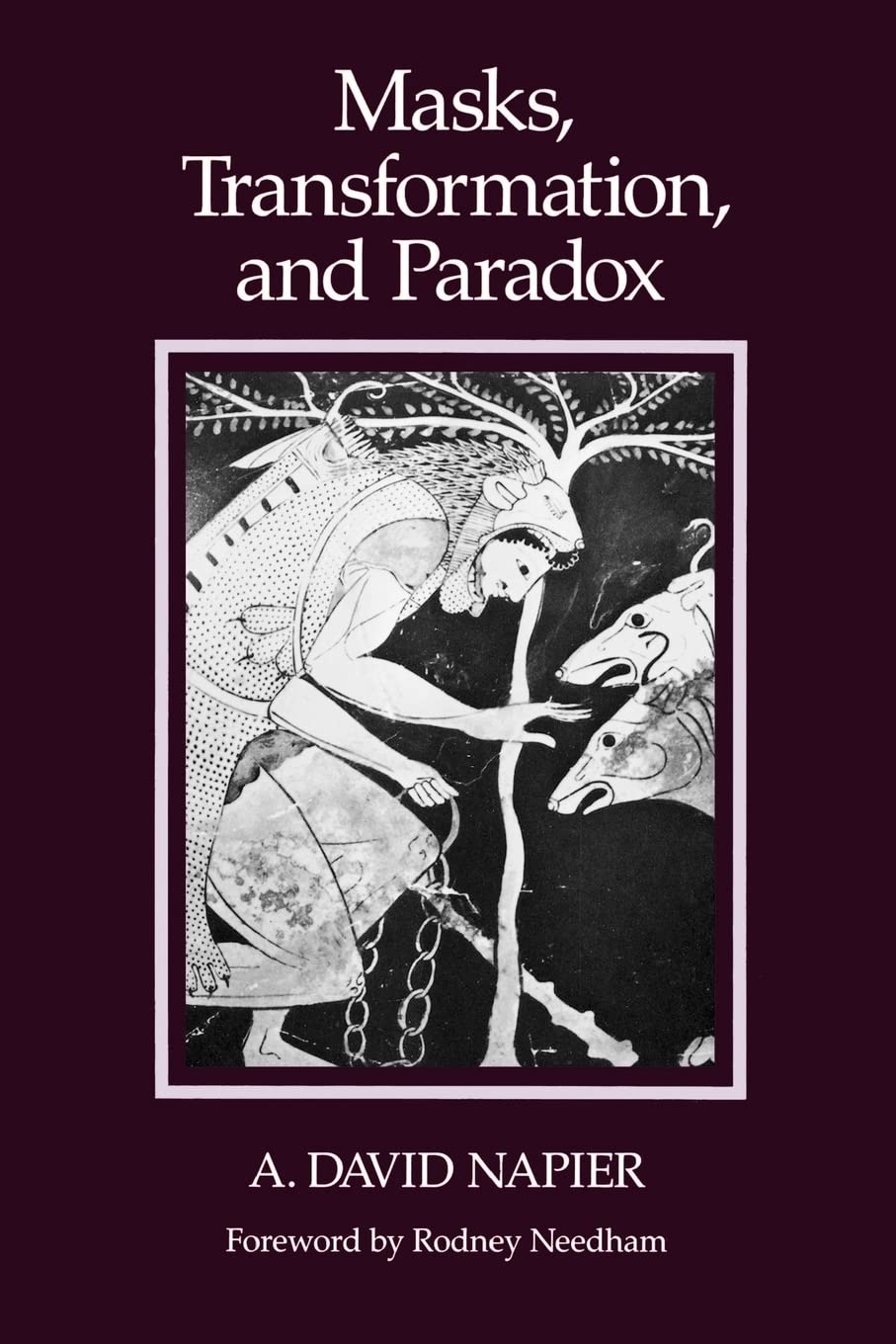
Masks are found worldwide in connection with seasonal festivals, rites of passage, and curative ceremonies. They provide a means of investigating the paradoxical problems that appearances pose in the experience of transitional states. In this farreaching work, A. David Napier studies mask iconography and the role played by masks in the realization of change. The masks of preclassical Greecein particular those of the Satyr and the Gorgonprovide his starting point. A comparison of Greek to Eastern and especially Indian models follows, and the book concludes with an examination of the interpretation of Hindu ideas in Bali that demonstrates the importance of ambivalence in mask iconography.
⚠️ WARNING (California Proposition 65):
This product may contain chemicals known to the State of California to cause cancer, birth defects, or other reproductive harm.
For more information, please visit www.P65Warnings.ca.gov.
- Q: What is the main theme of 'Masks, Transformation, and Paradox'? A: The book explores the significance of masks in various cultural contexts, focusing on their role in seasonal festivals, rites of passage, and transformative ceremonies.
- Q: Who is the author of 'Masks, Transformation, and Paradox'? A: The author of the book is A. David Napier.
- Q: What topics are covered in this book? A: The book covers mask iconography, the role of masks in realizing change, and compares Greek masks to Eastern and Indian models.
- Q: When was 'Masks, Transformation, and Paradox' published? A: The book was published on October 27, 1987.
- Q: What is the format of this book? A: The book is available in paperback binding.
- Q: How many pages are in 'Masks, Transformation, and Paradox'? A: The book contains 312 pages.
- Q: What edition of the book is available? A: This is the First Edition of 'Masks, Transformation, and Paradox'.
- Q: What cultural aspects does the author compare in the book? A: The author compares the masks of preclassical Greece, particularly those of the Satyr and the Gorgon, to Eastern and Indian mask traditions.
- Q: Does the book discuss Hindu ideas in relation to masks? A: Yes, the book includes an examination of Hindu ideas in Bali and their interpretation in the context of mask iconography.
- Q: Is there a focus on specific cultures in the book? A: Yes, the book particularly focuses on Greek, Eastern, and Indian cultural influences related to masks.