If you have any questions, you are always welcome to contact us. We'll get back to you as soon as possible, withing 24 hours on weekdays.
Customer service
All questions about your order, return and delivery must be sent to our customer service team by e-mail at yourstore@yourdomain.com
Sale & Press
If you are interested in selling our products, need more information about our brand or wish to make a collaboration, please contact us at press@yourdomain.com
Help
If you have any questions, you are always welcome to contact us. We'll get back to you as soon as possible, withing 24 hours on weekdays.
Customer service
All questions about your order, return and delivery must be sent to our customer service team by e-mail at yourstore@yourdomain.com
Sale & Press
If you are interested in selling our products, need more information about our brand or wish to make a collaboration, please contact us at press@yourdomain.com
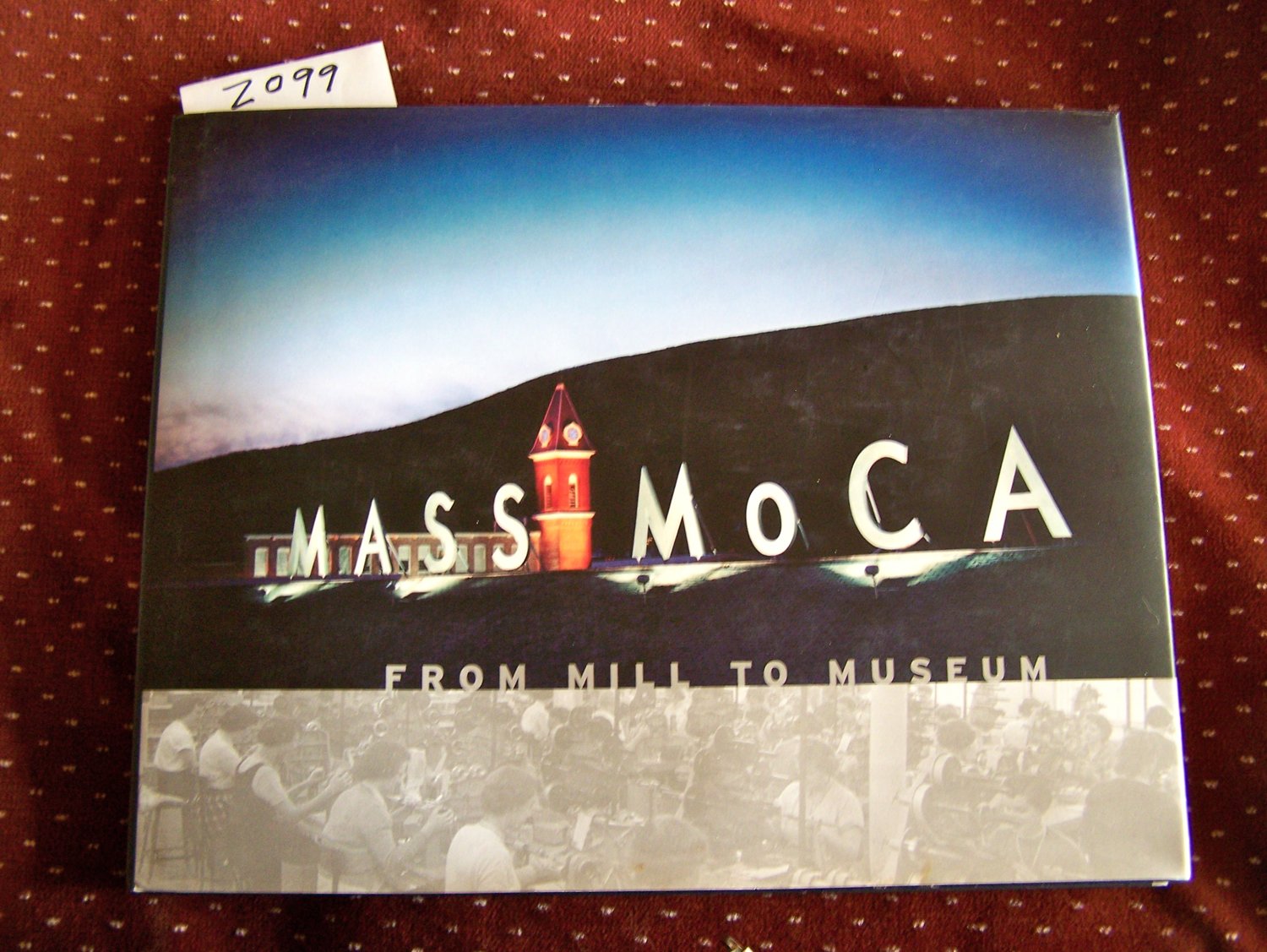
The result of more than a decade of careful planning, designing, and building, the newly opened Massachusetts Museum of Contemporary Art pays tribute to nearly a century's worth of industry, labor, and commerce. Located in the college town of North Adams in a series of old mill buildings that once housed a textile factory and later an electrical company, MASS MoCA is a stunning example of intelligent, civicminded architectural gentrification and visionary planning.The story of how MASS MoCA came to be from its conception in 1986 to its opening in the summer of 1999 is eloquently told in words and pictures in this beautifully designed volume. More than 100 black and white and color photographs document the painstaking transformation of a 19thcentury mill complex, listed on the national Historic Register, into a museum that would house the world's largest collection of contemporary art. Museum Director Joseph Thompson offers a fascinating history of the site and his struggles to get the project off the ground, as well as a curatorial essay that reveals how the AIA Awardwinning complex blurs the traditional lines between production and exhibition space to offer unique opportunities for artists and visitors alike. A unique and triumphant story of successful interaction between postindustrial concerns and historic preservation. Mill to Museum is a lesson in how architects, artists, citizens and government can work together to transform not only a buildingbut the very way we experience art and architecture.
⚠️ WARNING (California Proposition 65):
This product may contain chemicals known to the State of California to cause cancer,
birth defects, or other reproductive harm.
For MAP (Minimum Advertised Price) violations and Intellectual Property (IP) or Trademark concerns, please contact:
support@ergodebooks.com
⚠️ California Proposition 65 Warning: Some products sold on this website may expose you to chemicals known to the State of California to cause cancer, birth defects, or other reproductive harm. For more information, visit www.P65Warnings.ca.gov.