
Title
Master Of Penance: Gratian And The Development Of Penitential Thought And Law In The Twelfth Century (Studies In Medieval And Ea,Used
Sold by Ergodebooks, an authorized reseller.
Returns accepted within 30 days | support@ergodebooks.com
Shipping Information
- Free Standard Shipping — United States only
- Processing Time: 3–5 business days
- Estimated Delivery: 6–10 business days after dispatch
- Double-boxed, fully insured & discreetly packaged
- Tracking number sent via email once dispatched
Returns & Refund
Returns accepted within 30 days of delivery.
Damaged or Defective Item
Free return shipping + replacement or full refund
Wrong Item Received
Free return shipping + replacement or full refund
Change of Mind
Return shipping at customer's expense · 25% restocking fee applies
Payment Option

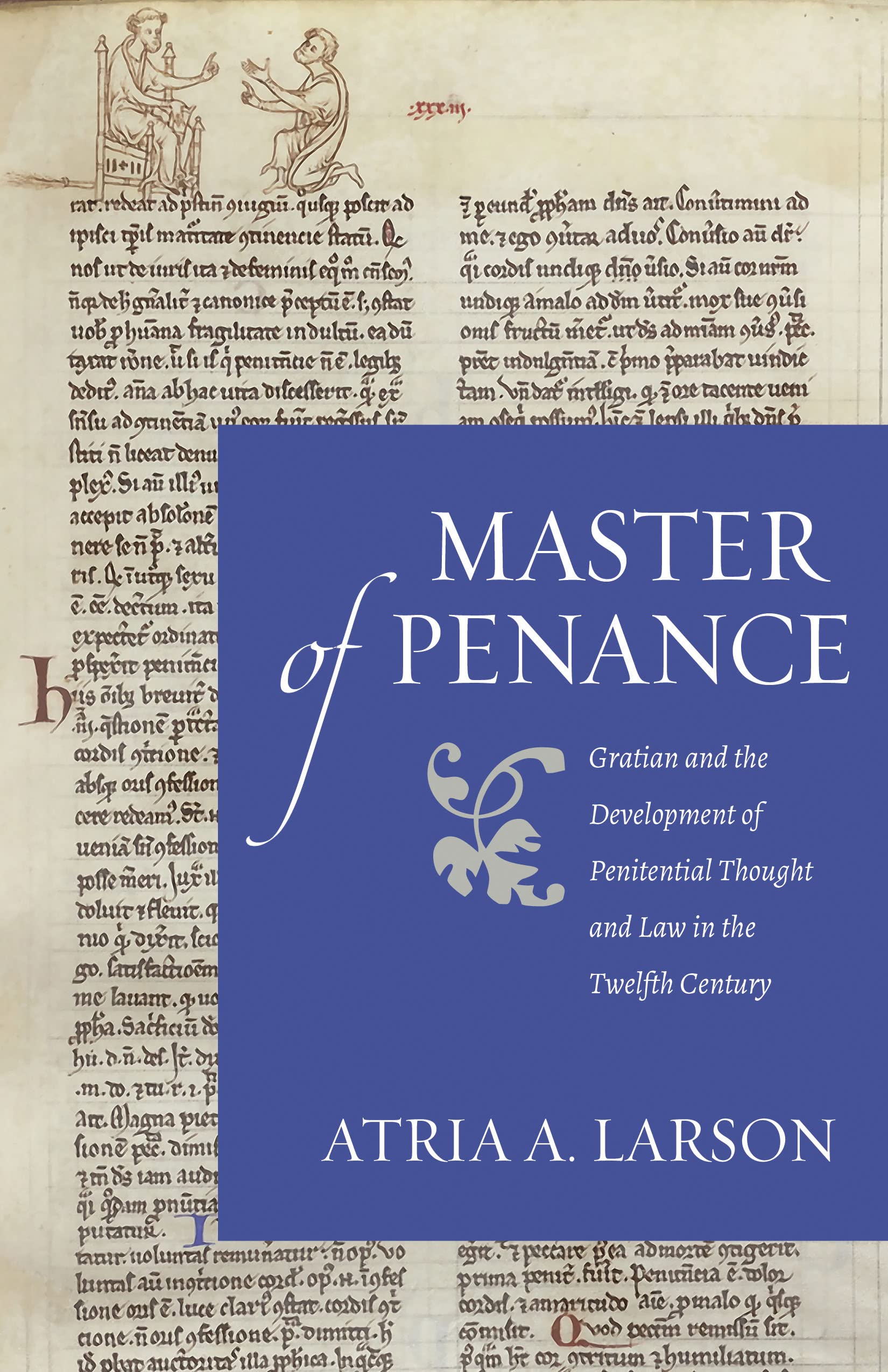
This book presents the first fullscale study of the Tractatus de penitentia (C.33 q.3) in Gratian's Decretum, which became the textbook for canon law and served as the basis of the church's developing jurisprudence, in theory and in practice. The treatise on penance stands out as a distinct, overtly theological section of Gratian's work and was long suspected of being a later addition to the Decretum. As a result, the treatise has not received thorough treatment and has often not been included in scholars' general discussions of Gratian's work, its nature, and its purpose. Manuscript discoveries in the 1990s proved the treatise to be authentic and to be part of Gratian's early drafting of his text. This study examines the treatise in its entirety, providing a commentary on the content of the treatise (which extends beyond questions of penance) and an examinationof its relationship to the early twelfthcentury schools, positing above all a connection to the school of Anselm of Laon. The study also reexamines the question of the nature and purpose of Gratian's Decretum in light of the original inclusion of De penitentia and of Gratian's role as a teacher, or master.The second half of the book traces the influence of De penitentia in the second half of the twelfth century and through the pontificate of Innocent, culminating in the Fourth Lateran Council (1215). That period was crucial for the development of systematic theology and ecclesiastical jurisprudence. Nevertheless, the period was also one in which boundaries between academic fields were far from solidified, which the treatment of De penitentia by various intellectuals demonstrates. The period witnessed as well the development of new kinds of penitential literature and an increase of business at the papal curia. Gratian's De penitentia exercised influence in both realms. In brief, Gratian's De penitentia constituted the fundamental text on penance in the period.
⚠️ WARNING (California Proposition 65):
This product may contain chemicals known to the State of California to cause cancer, birth defects, or other reproductive harm.
For more information, please visit www.P65Warnings.ca.gov.