
Title
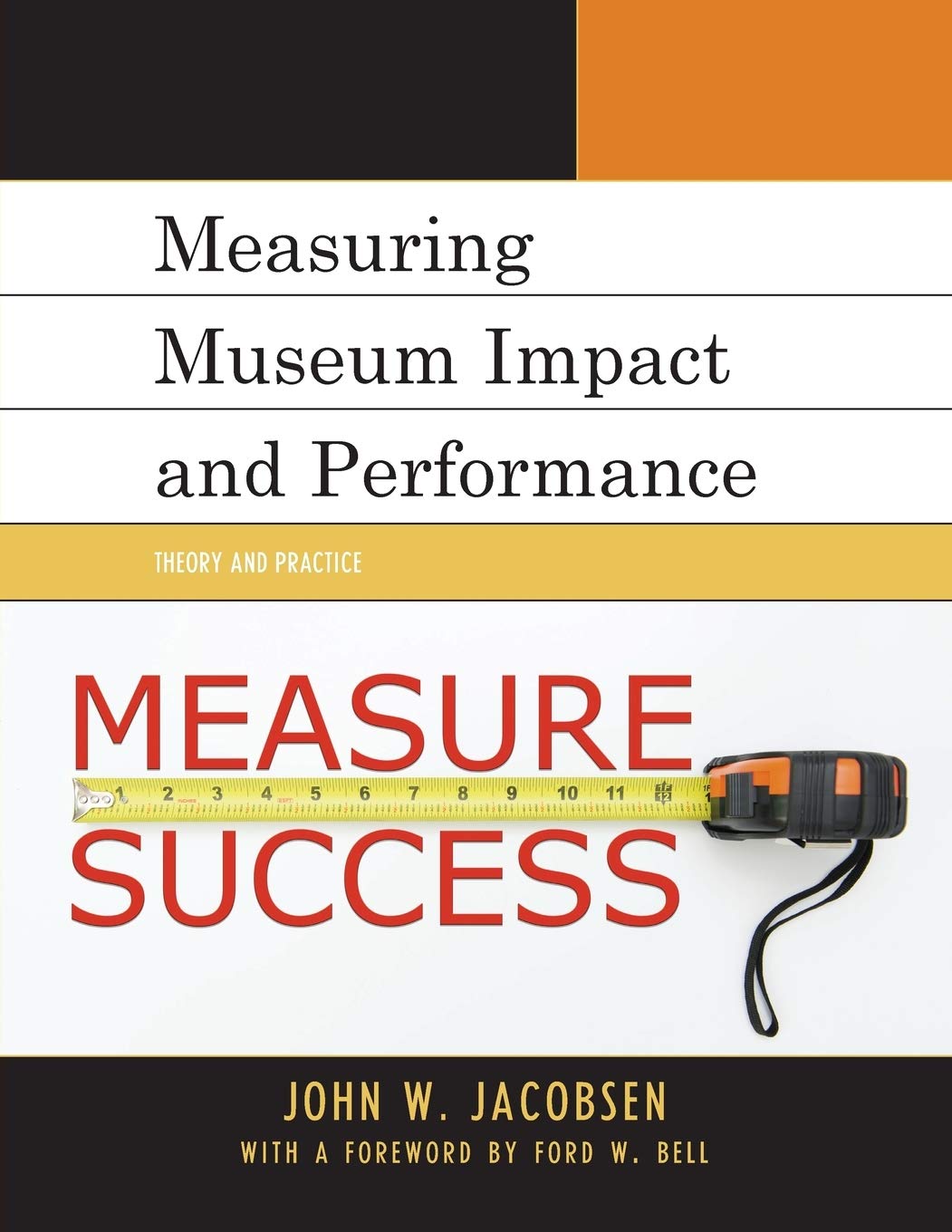
Measuring Museum Impact and Performance: Theory and Practice,Used
Sold by Ergodebooks, an authorized reseller.
Returns accepted within 30 days | support@ergodebooks.com
Shipping Information
- Free Standard Shipping — United States only
- Processing Time: 3–5 business days
- Estimated Delivery: 6–10 business days after dispatch
- Double-boxed, fully insured & discreetly packaged
- Tracking number sent via email once dispatched
Returns & Refund
Returns accepted within 30 days of delivery.
Damaged or Defective Item
Free return shipping + replacement or full refund
Wrong Item Received
Free return shipping + replacement or full refund
Change of Mind
Return shipping at customer's expense · 25% restocking fee applies
Payment Option

Based on extensive research and decades of experience, museum analyst and planner John W. Jacobsen provides both the theoretical underpinnings and the operational pragmatics of measuring any museum's intentional impact and performance by using 1,025 indicators drawn from 51 expert sources. Measuring Museum Impact and Performance: Theory and Practice provides museum professionals internationally with a clear, very open process that will improve their museum's value and performance by selecting indicators that monitor whether they are realizing their desired public, private, personal and institutional values. The book is not prescriptive, but liberating, as the framework recognizes that each museum needs to decide on its own purposes and priorities.The book is organized in two parts: "Part 1: Theory" is scholarly and builds on the museum fields rich literature; and "Part 2: Practice" provides stepbystep methods for any museum to set up its own dashboard of prioritized impact and performance indicators. Substantive attachments include: the list of the 51 source documents for the MIIP indicators; definitions of terms and data fields; a long list of precedented museum impacts; measurement formulas and worksheet templates, filled in for a sample museum; and the MIIP 1.0 database available online.Readers will get the following benefits:A literature review of prior work on measuring museum value An analysis of eleven wellestablished evaluation frameworks that synthesize into a revolutionary, yet practical, Museum Theory of Action A robust and searchable menu of 1,025 existing and aspirational indicators (the MIIP 1.0 database) that you can use to start your own selection An analysis of the MIIP database using the Theory of Action that reveals 14 areas of potential museum impacts and benefits A process to select and prioritize your museums intentional purposes and desired impacts A process to determine, measure and compare your museums key performance indicators (KPIs) A process to setup and conduct peer museum comparisons Procedures and examples of how to capture and report data used in your selected indicators Principles for using indicator data to inform museum management decisions
⚠️ WARNING (California Proposition 65):
This product may contain chemicals known to the State of California to cause cancer, birth defects, or other reproductive harm.
For more information, please visit www.P65Warnings.ca.gov.