If you have any questions, you are always welcome to contact us. We'll get back to you as soon as possible, withing 24 hours on weekdays.
Customer service
All questions about your order, return and delivery must be sent to our customer service team by e-mail at yourstore@yourdomain.com
Sale & Press
If you are interested in selling our products, need more information about our brand or wish to make a collaboration, please contact us at press@yourdomain.com
Help
If you have any questions, you are always welcome to contact us. We'll get back to you as soon as possible, withing 24 hours on weekdays.
Customer service
All questions about your order, return and delivery must be sent to our customer service team by e-mail at yourstore@yourdomain.com
Sale & Press
If you are interested in selling our products, need more information about our brand or wish to make a collaboration, please contact us at press@yourdomain.com
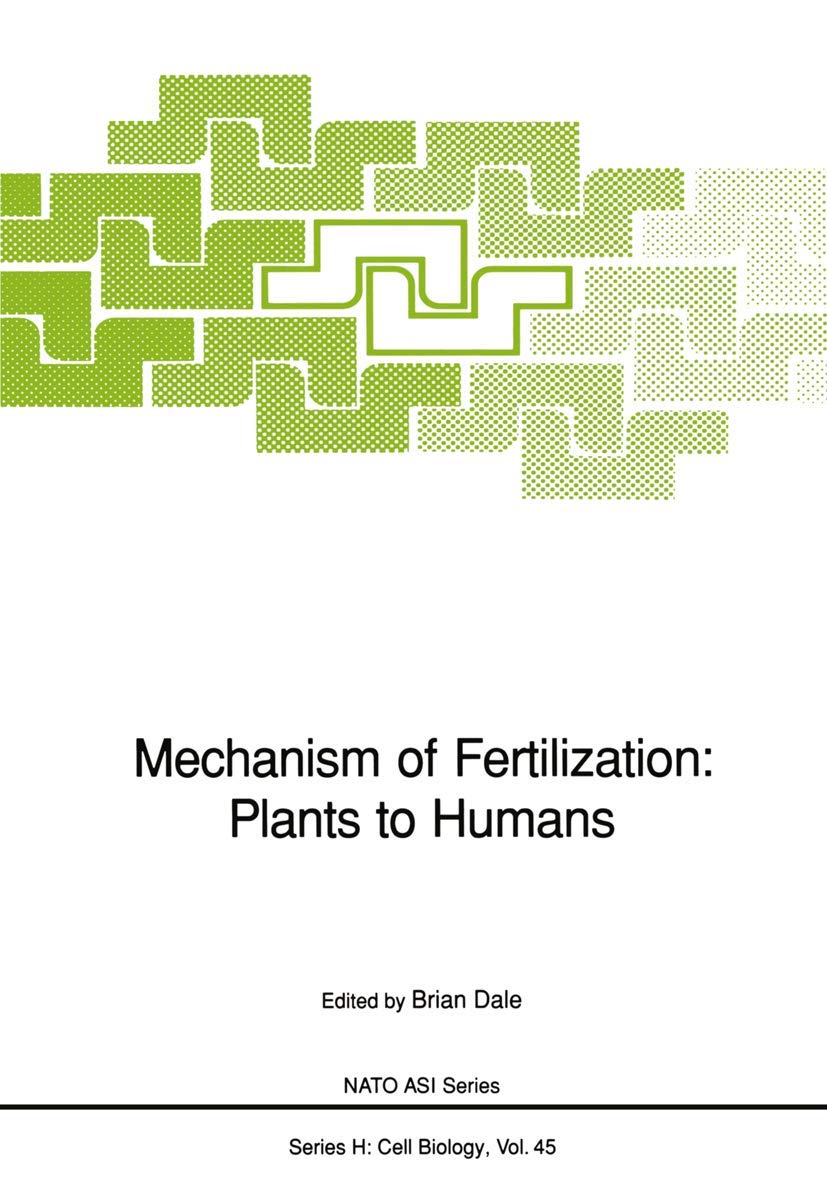
The majority of scientists interested in fertilization and early developmental processes will undoubtably have encountered the works of Alberto Monroy at some time in their careers. Alberto's contribution to this field spans oogenesis to embryogenesis, where he used physiological, biochemical and morphological tools to answer a number of basic problems in cell biology. This multidisciplinary approach, together with his remarkable intellectual flexibility and humour has had an enormous impact on this field and all those fortunate enough to have worked with him. The chapters in this book have been divided into four sections. The initial presentations revolve around late events of gameteogenesis, that lead to a physiologically mature gamete. Probably the most exciting area for research at the moment is the identification of the cytoplasmic mechanisms responsible for the meiotic arrest of oocytes and the factors responsible for initiating their maturation (Chapters 3 and 4). Less is known about the physiological changes in the male gamete in preparation for fertilization and this may be identified as a major area for future research. Although comparable data for the plant kingdom is presently restricted to studies on marine algae, new techniques for isolating angiosperm gametes (Chapters 1 and 17) promise rapid advances in this field. The second section looks at the events and molecules involved in gamete recognition, binding and fusion. One of the most controversial topics is when does spermegg fusion actually occur (Chapter 14).
⚠️ WARNING (California Proposition 65):
This product may contain chemicals known to the State of California to cause cancer,
birth defects, or other reproductive harm.
For MAP (Minimum Advertised Price) violations and Intellectual Property (IP) or Trademark concerns, please contact:
support@ergodebooks.com
⚠️ California Proposition 65 Warning: Some products sold on this website may expose you to chemicals known to the State of California to cause cancer, birth defects, or other reproductive harm. For more information, visit www.P65Warnings.ca.gov.