If you have any questions, you are always welcome to contact us. We'll get back to you as soon as possible, withing 24 hours on weekdays.
Customer service
All questions about your order, return and delivery must be sent to our customer service team by e-mail at yourstore@yourdomain.com
Sale & Press
If you are interested in selling our products, need more information about our brand or wish to make a collaboration, please contact us at press@yourdomain.com
Help
If you have any questions, you are always welcome to contact us. We'll get back to you as soon as possible, withing 24 hours on weekdays.
Customer service
All questions about your order, return and delivery must be sent to our customer service team by e-mail at yourstore@yourdomain.com
Sale & Press
If you are interested in selling our products, need more information about our brand or wish to make a collaboration, please contact us at press@yourdomain.com
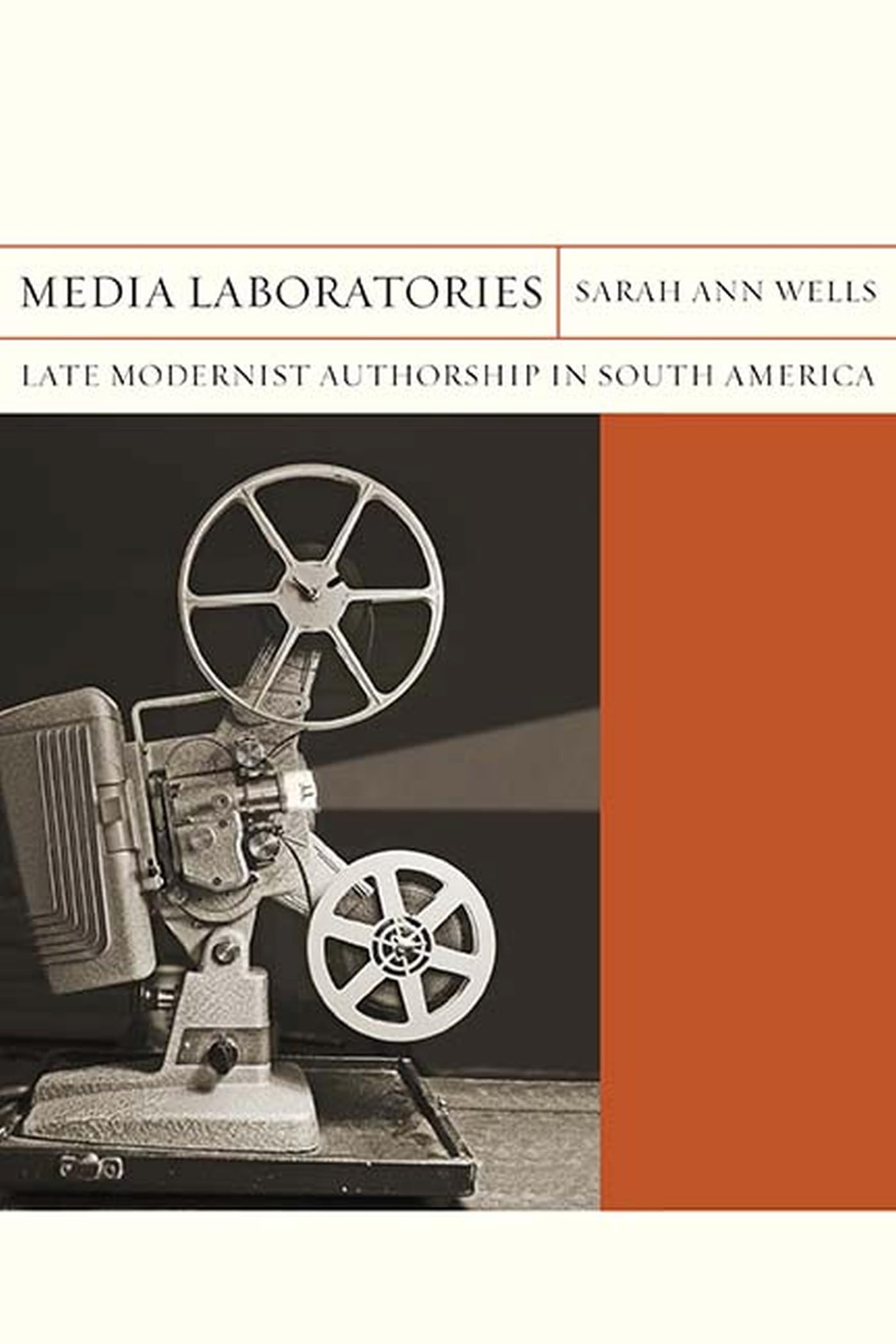
Winner, LASA Best Book Published in 2017, Southern Cone Section, Humanities categoryMedia Laboratories explores a pivotal time for South American literature of the 1930s and 40s. Cinema, radio, and the typewriter, once seen as promising catalysts for new kinds of writing, began to be challenged by authors, workers, and the public. What happens when media no longer seem novel and potentially democratic but rather consolidated and dominant? Moving among authors from Brazil, Argentina, and Uruguay, and among the genres of fiction, the essay, popular journalism, and experimental little magazines, Sarah Ann Wells shows how writers on the periphery of global modernity were fashioning alternative approaches to these media. Analyzing authors such as Clarice Lispector, Jorge Luis Borges, and Felisberto Hernndez, along with their lesserknown contemporaries, Media Laboratories casts a wide net: from spectators of Hollywood and Soviet montage films, to inventors of imaginary media, to proletarian typists who embodied the machinehuman encounters of the period. The text navigates contemporary scholarly and popular debates about the relationship of literature to technological innovation, media archaeology, sound studies, populism, and global modernisms. Ultimately, Wells underscores a question that remains relevant: what possibilities emerge when the enthusiasm for new media has been replaced by anxiety over their potentially pernicious effects in a globalizing, yet vastly unequal, world?
⚠️ WARNING (California Proposition 65):
This product may contain chemicals known to the State of California to cause cancer,
birth defects, or other reproductive harm.
For MAP (Minimum Advertised Price) violations and Intellectual Property (IP) or Trademark concerns, please contact:
support@ergodebooks.com
⚠️ California Proposition 65 Warning: Some products sold on this website may expose you to chemicals known to the State of California to cause cancer, birth defects, or other reproductive harm. For more information, visit www.P65Warnings.ca.gov.