
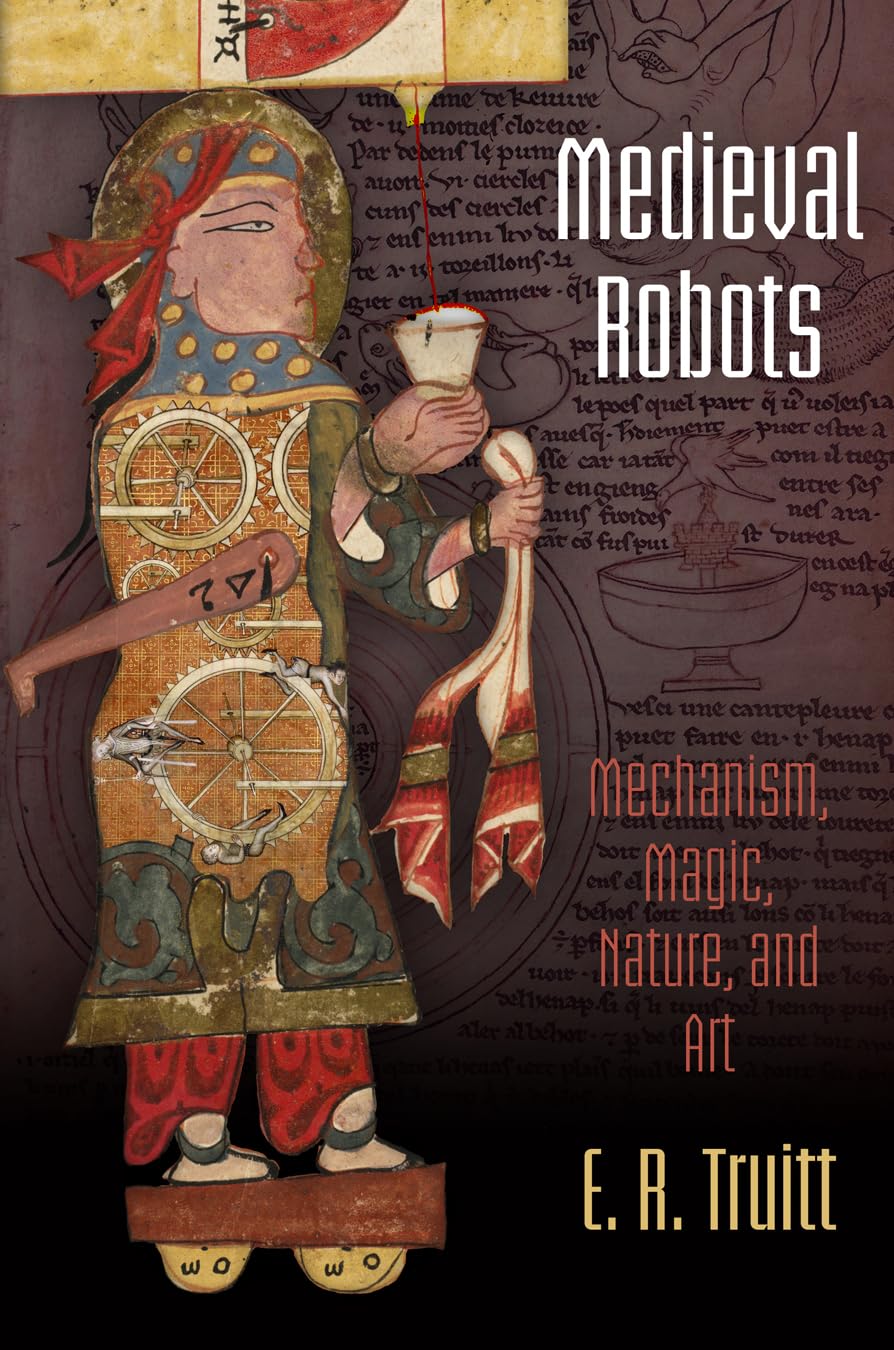
Title
Medieval Robots: Mechanism, Magic, Nature, And Art (The Middle Ages Series),New
Sold by Ergodebooks, an authorized reseller.
Returns accepted within 30 days | support@ergodebooks.com
Shipping Information
- Free Standard Shipping — United States only
- Processing Time: 3–5 business days
- Estimated Delivery: 6–10 business days after dispatch
- Double-boxed, fully insured & discreetly packaged
- Tracking number sent via email once dispatched
Returns & Refund
Returns accepted within 30 days of delivery.
Damaged or Defective Item
Free return shipping + replacement or full refund
Wrong Item Received
Free return shipping + replacement or full refund
Change of Mind
Return shipping at customer's expense · 25% restocking fee applies
Payment Option

A thousand years before Isaac Asimov set down his Three Laws of Robotics, real and imagined automata appeared in European courts, liturgies, and literary texts. Medieval robots took such forms as talking statues, mechanical animals, and silent metal guardians; some served to entertain or instruct while others performed disciplinary or surveillance functions. Variously ascribed to artisanal genius, inexplicable cosmic forces, or demonic powers, these marvelous fabrications raised fundamental questions about knowledge, nature, and divine purpose in the Middle Ages.Medieval Robots recovers the forgotten history of fantastical, aspirational, and terrifying machines that captivated Europe in imagination and reality between the ninth and fourteenth centuries. E. R. Truitt traces the different forms of selfmoving or selfsustaining manufactured objects from their earliest appearances in the Latin West through centuries of mechanical and literary invention. Chronicled in romances and song as well as histories and encyclopedias, medieval automata were powerful cultural objects that probed the limits of natural philosophy, illuminated and challenged definitions of life and death, and epitomized the transformative and threatening potential of foreign knowledge and culture. This original and wideranging study reveals the convergence of science, technology, and imagination in medieval culture and demonstrates the striking similarities between medieval and modern robotic and cybernetic visions.
⚠️ WARNING (California Proposition 65):
This product may contain chemicals known to the State of California to cause cancer, birth defects, or other reproductive harm.
For more information, please visit www.P65Warnings.ca.gov.