
Title
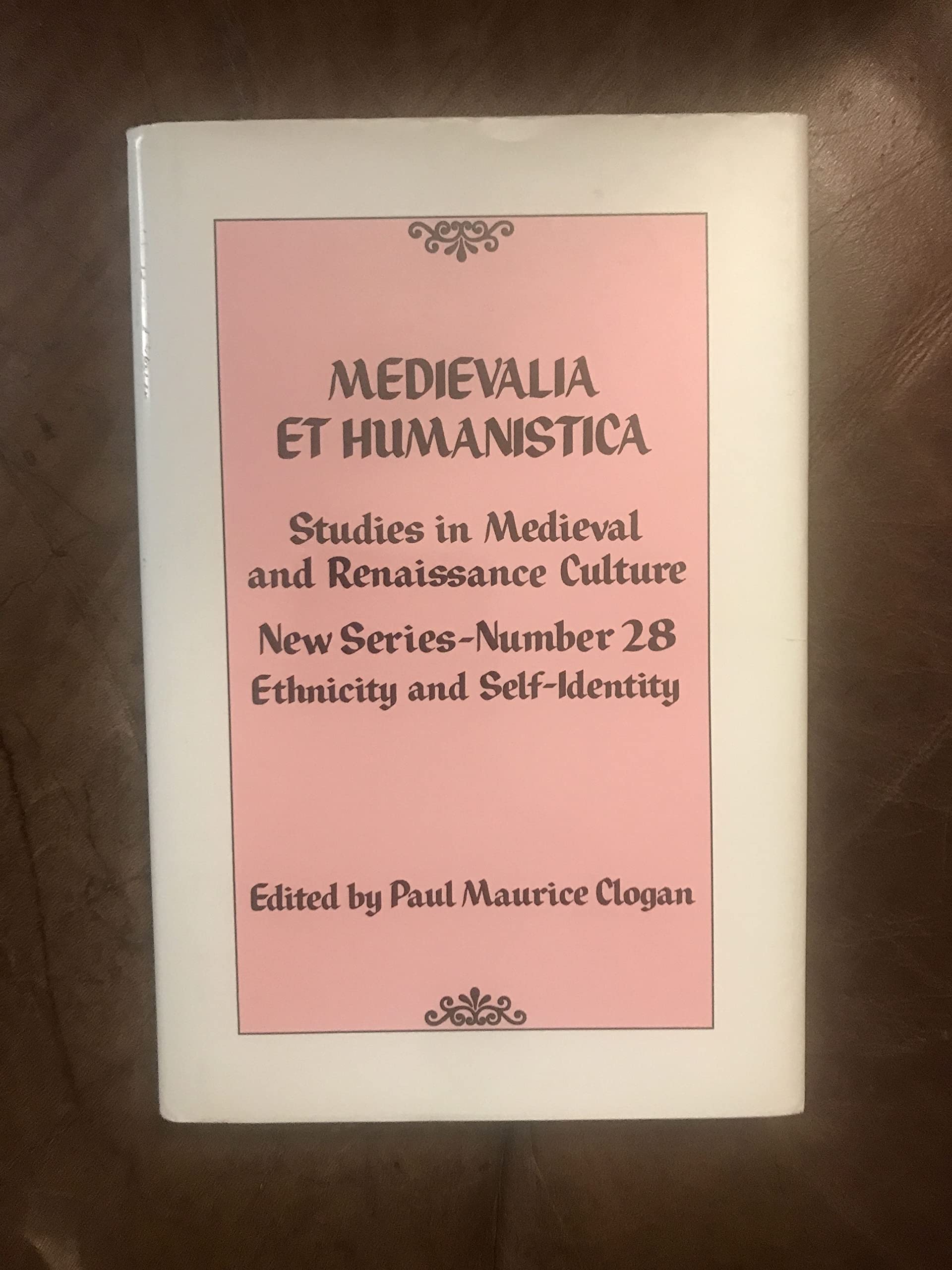
Medievalia et Humanistica, No. 28: Studies in Medieval and Renaissance Culture (Medievalia et Humanistica Series),Used
Sold by Ergodebooks, an authorized reseller.
Returns accepted within 30 days | support@ergodebooks.com
Shipping Information
- Free Standard Shipping — United States only
- Processing Time: 3–5 business days
- Estimated Delivery: 6–10 business days after dispatch
- Double-boxed, fully insured & discreetly packaged
- Tracking number sent via email once dispatched
Returns & Refund
Returns accepted within 30 days of delivery.
Damaged or Defective Item
Free return shipping + replacement or full refund
Wrong Item Received
Free return shipping + replacement or full refund
Change of Mind
Return shipping at customer's expense · 25% restocking fee applies
Payment Option

Since its founding in 1943, Medievalia et Humanistica has won worldwide recognition as the first scholarly publication in America to devote itself entirely to medieval and Renaissance studies. Since 1970, a new series, sponsored by the Modern Language Association of America and edited by an international board of distinguished scholars and critics, has published interdisciplinary articles. In yearly hardbound volumes, the new series publishes significant scholarship, criticism, and reviews treating all facets of medieval and Renaissance culture: history, art, literature, music, science, law, economics, and philosophy. The twentyeighth volume in the new series of Medievalia et Humanistica contains five original articles exploring topics ranging from medieval ethnicity and selfidentity to littleknown documents in fifteenth century Italy. Michael Faletra examines a series of discourses during the twelfth century about the Welsh and ancient Britons, considering how these texts inform and are informed by Norman colonialism. Fabian Alfie studies Cecco Angliolieri's poetry and, more generally, early Italian comic tradition. Michael Calabrese focuses on male sexuality as the corollary of the plague in Boccaccio's Decameron and the inescapable condition facing male characters in the collection. Dominique Battles contributes to our understanding of Boccaccio's Teseida in suggesting that the poem amplifies the subject matter of Statius' Thebaid and points toward the matter of Troy. Daniel Bornstein sheds new light on the relative wealth and poverty of the churches in fifteenthcentury Cortona by focusing on their inventories. In addition to these five articles, fourteen review notices examine recent publications in medieval and early modern studies completing the twentyeighth volume of Medievalia et Humanistica.
⚠️ WARNING (California Proposition 65):
This product may contain chemicals known to the State of California to cause cancer, birth defects, or other reproductive harm.
For more information, please visit www.P65Warnings.ca.gov.