
Title
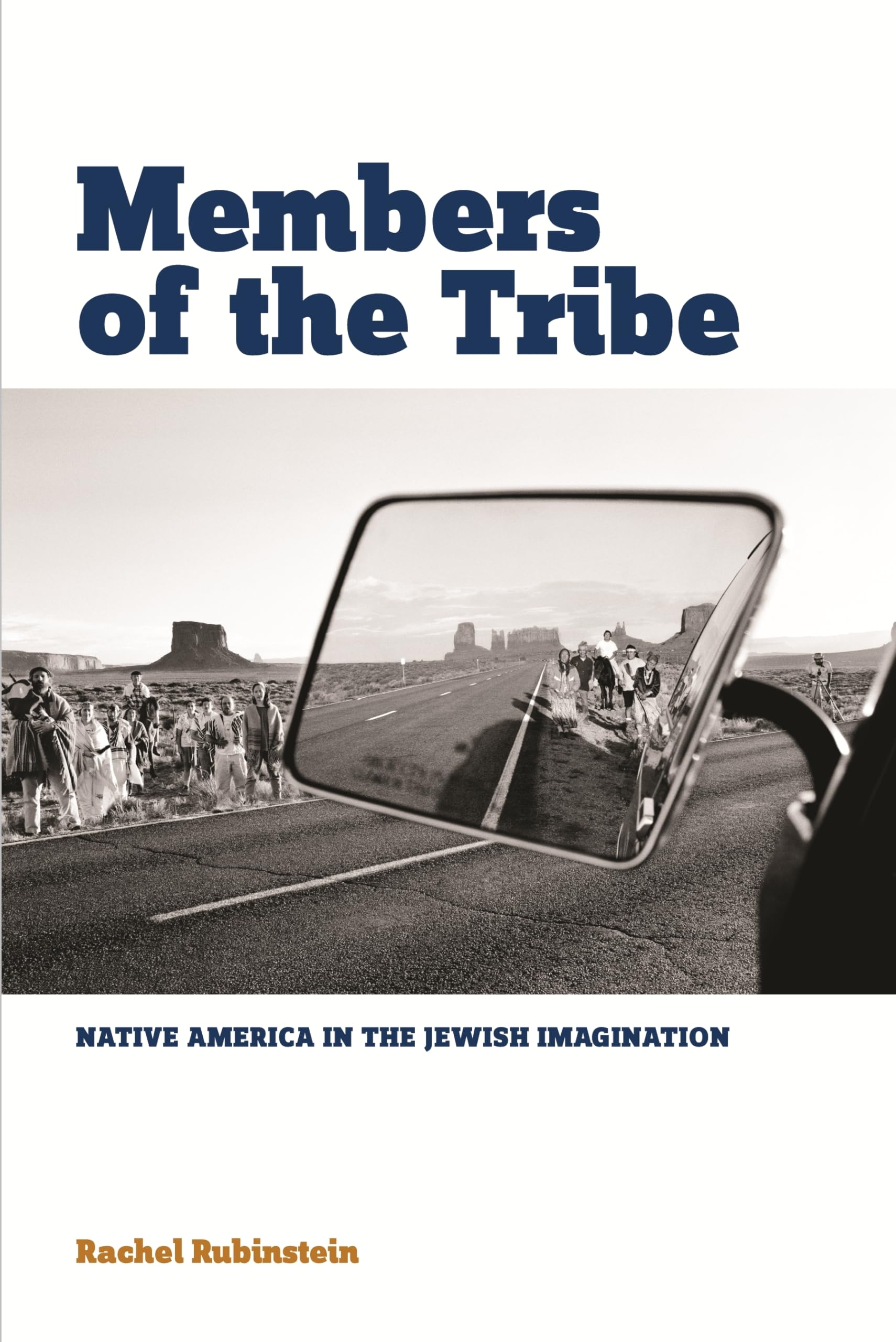
Members of the Tribe: Native America in the Jewish Imagination,Used
Sold by Ergodebooks, an authorized reseller.
Returns accepted within 30 days | support@ergodebooks.com
Shipping Information
- Free Standard Shipping — United States only
- Processing Time: 3–5 business days
- Estimated Delivery: 6–10 business days after dispatch
- Double-boxed, fully insured & discreetly packaged
- Tracking number sent via email once dispatched
Returns & Refund
Returns accepted within 30 days of delivery.
Damaged or Defective Item
Free return shipping + replacement or full refund
Wrong Item Received
Free return shipping + replacement or full refund
Change of Mind
Return shipping at customer's expense · 25% restocking fee applies
Payment Option

In Members of the Tribe: Native America in the Jewish Imagination, author Rachel Rubinstein examines interventions by Jewish writers into an ongoing American fascination with the "imaginary Indian." Rubinstein argues that Jewish writers represented and identified with the figure of the American Indian differently than their white counterparts, as they found in this figure a mirror for their own anxieties about tribal and national belonging. Through a series of literary readings, Rubinstein traces a shifting and unstable dynamic of imagined IndianJewish kinship that can easily give way to opposition and, especially in the contemporary moment, competition.In the first chapter, "Playing Indian, Becoming American," Rubinstein explores the Jewish representations of Indians over the nineteenth century, through narratives of encounter and acts of theatricalization. In chapter 2, "Going Native, Becoming Modern," she examines literary modernism's fascination with the Indianpoet and a series of Yiddish translations of Indian chants that appeared in the modernist journal Shriftn in the 1920s. In the third chapter, "Red Jews," Rubinstein considers the work of Jewish writers from the left, including Tillie Olsen, Michael Gold, Nathanael West, John Sanford, and Howard Fast, and in chapter 4, "Henry Roth, Native Son," Rubinstein focuses on Henry Roth's complicated appeals to Indianness. The final chapter, "First Nations," addresses contemporary contestations between Jews and Indians over cultural and territorial sovereignty, in literary and political discourse as well as in museum spaces.As Rubinstein considers how Jews used the figure of the Indian to feel "at home" in the United States, she enriches ongoing discussions about the ways that Jews negotiated their identity in relation to other cultural groups. Students of Jewish studies and literature will enjoy the unique insights in Members of the Tribe.
⚠️ WARNING (California Proposition 65):
This product may contain chemicals known to the State of California to cause cancer, birth defects, or other reproductive harm.
For more information, please visit www.P65Warnings.ca.gov.