
Title
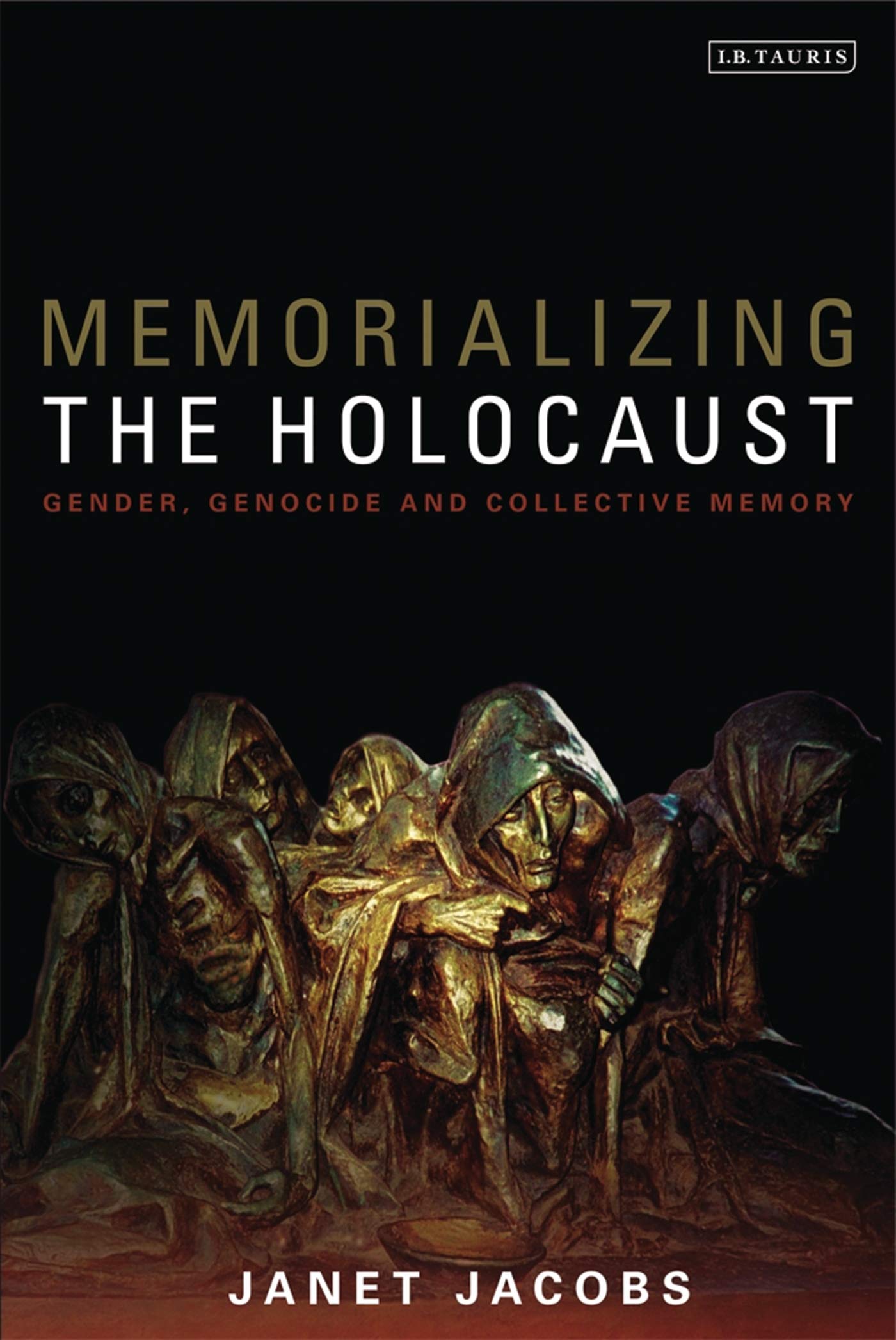
Memorializing The Holocaust: Gender, Genocide And Collective Memory
Sold by Ergodebooks, an authorized reseller.
Returns accepted within 30 days | support@ergodebooks.com
Shipping Information
- Free Standard Shipping — United States only
- Processing Time: 3–5 business days
- Estimated Delivery: 6–10 business days after dispatch
- Double-boxed, fully insured & discreetly packaged
- Tracking number sent via email once dispatched
Returns & Refund
Returns accepted within 30 days of delivery.
Damaged or Defective Item
Free return shipping + replacement or full refund
Wrong Item Received
Free return shipping + replacement or full refund
Change of Mind
Return shipping at customer's expense · 25% restocking fee applies
Payment Option

How Do Collective Memories Of Histories Of Violence And Trauma In War And Genocide Come To Be Created? Janet Jacobs Offers New Understandings Of This Crucial Issue In Her Examination Of The Representation Of Gender In The Memorial Culture Of Holocaust Monuments And Museums, From Synagogue Memorials And Other Historical Places Of Jewish Life, To The Geographies Of Auschwitz, Majdanek And Ravensbruck. Jacobs Travelled To Holocaust Sites Across Europe To Explore Representations Of Women. She Reveals How These Memorial Cultures Construct Masculinity And Femininity, As Well As The Holocaust'S Effect On Stereotyping On Grounds Of Race Or Gender. She Also Uncovers The Wider Ways In Which Images Of Violence Against Women Have Become Universal Symbols Of Mass Trauma And Genocide. This Feminist Analysis Of Holocaust Memorialization Brings Together Gender And Collective Memory With The Geographies Of Genocide To Fill A Significant Gap In Our Understanding Of Genocide And National Remembrance.
⚠️ WARNING (California Proposition 65):
This product may contain chemicals known to the State of California to cause cancer, birth defects, or other reproductive harm.
For more information, please visit www.P65Warnings.ca.gov.
- Q: What is the size of the book? A: The book measures six point fourteen inches in length, zero point forty-seven inches in width, and nine point twenty-one inches in height.
- Q: What is the binding type of this book? A: The book is available in paperback binding, making it lightweight and easy to handle.
- Q: How many pages does the book have? A: The book contains two hundred eight pages filled with insightful analysis and discussions.
- Q: Who is the author of the book? A: The author of the book is Janet Jacobs, who provides a feminist perspective on Holocaust memorialization.
- Q: What is the main theme of the book? A: The book explores the representation of gender in Holocaust memorial culture, addressing themes of trauma and collective memory.
- Q: Is this book suitable for academic purposes? A: Yes, the book is well-researched and provides valuable insights, making it suitable for academic study.
- Q: How should I store this book? A: Store the book in a cool, dry place, away from direct sunlight to preserve its quality.
- Q: Can I lend this book to others? A: Yes, you can lend this book, but ensure it is returned in good condition to maintain its integrity.
- Q: How do I care for this book? A: To care for the book, handle it gently, avoid bending pages, and keep it in a protective sleeve if needed.
- Q: Is this book appropriate for all ages? A: The book discusses mature themes related to genocide and trauma, so it may not be suitable for younger readers.
- Q: What sets this book apart from others on the subject? A: This book uniquely integrates feminist analysis with collective memory, providing fresh perspectives on Holocaust memorialization.
- Q: Does the book contain illustrations? A: Yes, the book includes twelve integrated black and white illustrations that enhance the textual content.
- Q: Can this book be used for a research project? A: Yes, the comprehensive analysis and references make it an excellent resource for research projects on Holocaust studies.
- Q: What genre does this book fall under? A: The book falls under the genres of history, gender studies, and Holocaust studies.
- Q: What kind of insights does the book provide? A: The book offers insights into how memorial cultures shape perceptions of gender and race within the context of genocide.
- Q: Is this book part of a series? A: No, this book is a standalone work, focusing specifically on the themes of gender and collective memory in Holocaust memorialization.