
Title
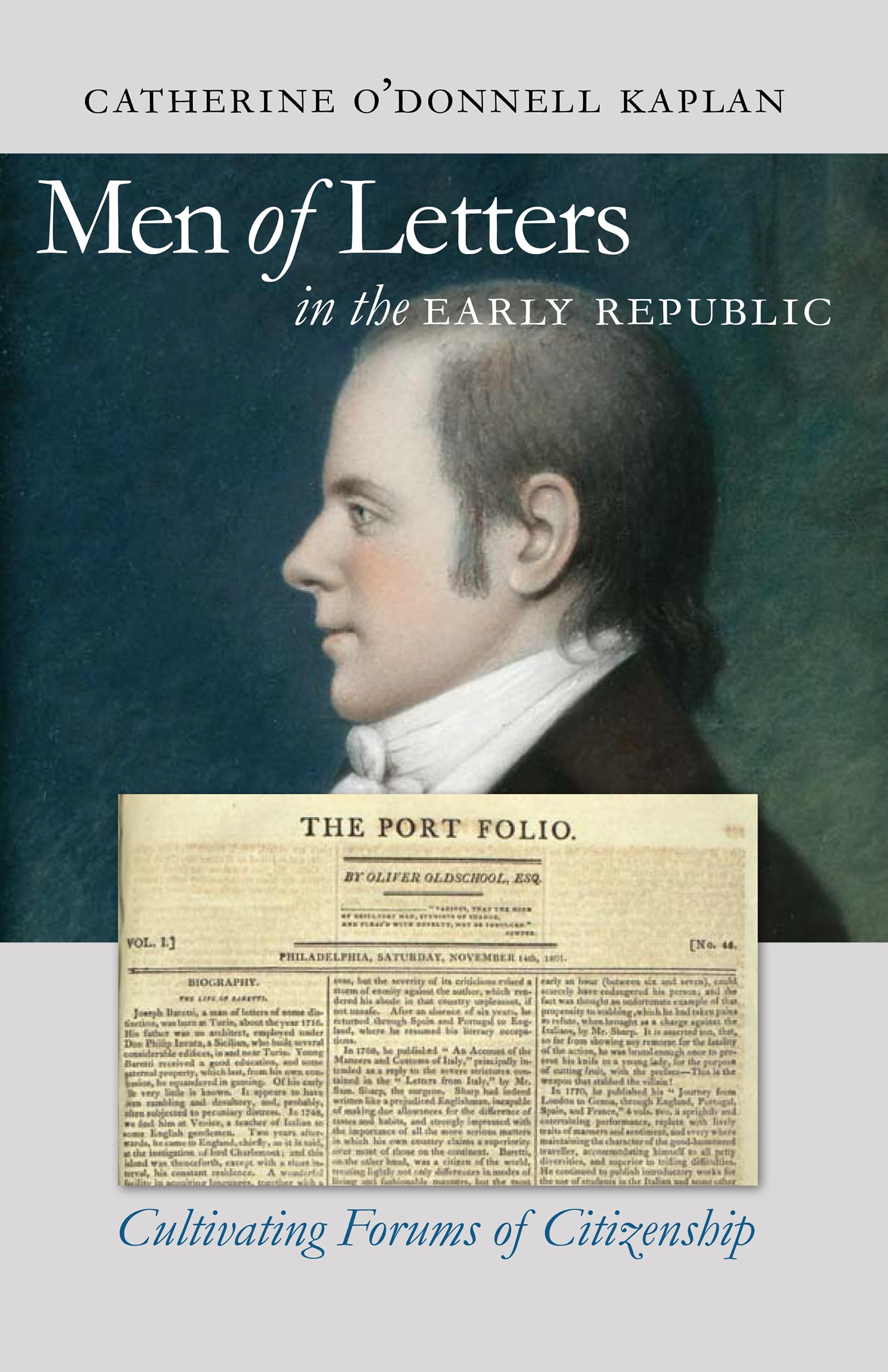
Men Of Letters In The Early Republic: Cultivating Forums Of Citizenship (Published By The Omohundro Institute Of Early American ,Used
Sold by Ergodebooks, an authorized reseller.
Returns accepted within 30 days | support@ergodebooks.com
Shipping Information
- Free Standard Shipping — United States only
- Processing Time: 3–5 business days
- Estimated Delivery: 6–10 business days after dispatch
- Double-boxed, fully insured & discreetly packaged
- Tracking number sent via email once dispatched
Returns & Refund
Returns accepted within 30 days of delivery.
Damaged or Defective Item
Free return shipping + replacement or full refund
Wrong Item Received
Free return shipping + replacement or full refund
Change of Mind
Return shipping at customer's expense · 25% restocking fee applies
Payment Option

In The Aftermath Of The Revolutionary War, After Decades Of Intense Upheaval And Debate, The Role Of The Citizen Was Seen As Largely Political. But As Catherine O'Donnell Kaplan Reveals, Some Americans Saw A Need For A Realm Of Public Men Outside Politics. They Believed That Neither The Nation Nor They Themselves Could Achieve Virtue And Happiness Through Politics Alone. Imagining A Different Kind Of Citizenship, They Founded Periodicals, Circulated Manuscripts, And Conversed About Poetry, Art, And The Nature Of Man. They Pondered William Godwin And Edmund Burke More Carefully Than They Did Candidates For Local Elections And Insisted Other Americans Should Do So As Well.Kaplan Looks At Three Groups In Particular: The Friendly Club In New York City, Which Revolved Around Elihu Hubbard Smith, With Collaborators Such As William Dunlap And Charles Brockden Brown; The Circle Around Joseph Dennie, Editor Of Two Highly Successful Periodicals; And The Anthologists Of The Boston Athenaeum. Through These Groups, Kaplan Demonstrates, An Enduring And Influential Model Of The Man Of Letters Emerged In The First Decade Of The Nineteenth Century.
⚠️ WARNING (California Proposition 65):
This product may contain chemicals known to the State of California to cause cancer, birth defects, or other reproductive harm.
For more information, please visit www.P65Warnings.ca.gov.
- Q: What are the dimensions of the book? A: The book measures six point twelve inches in length, zero point fifty-nine inches in width, and nine point twenty-five inches in height.
- Q: How many pages does this book have? A: This book contains two hundred fifty-six pages, providing ample content to explore its themes.
- Q: What type of binding does this book have? A: The book is available in paperback binding, making it flexible and easy to handle.
- Q: Who is the author of this book? A: The author is Catherine O'Donnell Kaplan, who offers insights into the role of citizens in the early Republic.
- Q: What is the genre of this book? A: This book falls under the category of American history, focusing on the cultural and civic development post-Revolution.
- Q: How can I use this book for research? A: You can use this book as a scholarly resource to understand the evolution of citizenship and public discourse in early America.
- Q: Is this book suitable for high school students? A: Yes, this book is suitable for high school students studying American history, as it covers important civic themes.
- Q: Can I read this book for leisure? A: Absolutely, this book is also enjoyable for leisure reading, especially for those interested in historical narratives.
- Q: What topics does this book cover? A: The book covers topics like the role of the citizen, public discourse, and cultural discussions in the early Republic.
- Q: How should I store this book to keep it in good condition? A: Store this book in a cool, dry place, away from direct sunlight to prevent fading and wear.
- Q: Is this book safe for children? A: Yes, the book is safe for children, but it may be more suitable for older readers due to its complex themes.
- Q: How do I clean the book if it gets dirty? A: To clean the book, gently wipe the cover with a dry, soft cloth. Avoid using water or cleaning solutions.
- Q: What if the book arrives damaged? A: If the book arrives damaged, you can contact the seller for a return or exchange as per their policy.
- Q: Is there a warranty for this book? A: Typically, there is no warranty for books, but check with the seller for specific return policies.
- Q: Where can I find more books like this? A: You can find similar books at libraries, bookstores, or online retailers specializing in American history.