
Title
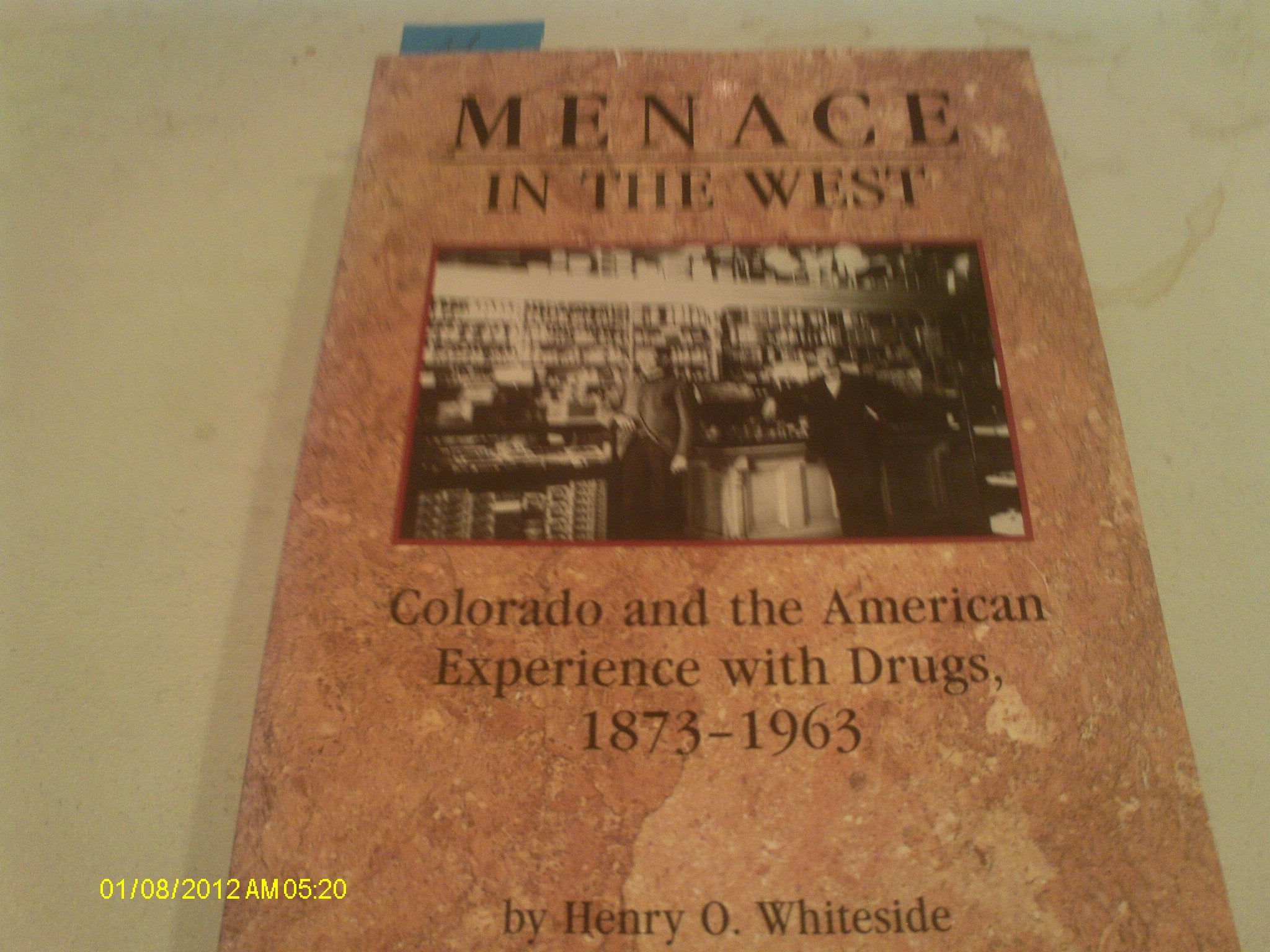
Menace in the West: Colorado and the American Experience With Drugs, 18731963,Used
Sold by Ergodebooks, an authorized reseller.
Returns accepted within 30 days | support@ergodebooks.com
Shipping Information
- Free Standard Shipping — United States only
- Processing Time: 3–5 business days
- Estimated Delivery: 6–10 business days after dispatch
- Double-boxed, fully insured & discreetly packaged
- Tracking number sent via email once dispatched
Returns & Refund
Returns accepted within 30 days of delivery.
Damaged or Defective Item
Free return shipping + replacement or full refund
Wrong Item Received
Free return shipping + replacement or full refund
Change of Mind
Return shipping at customer's expense · 25% restocking fee applies
Payment Option

In almost every time and culture, psychoactive substances have been both widely used and banned or restricted. Through the eighteenth century, Americans primarily restricted the use of alcohol and, to a much lesser extent, tobacco. The reforming temper of the 1830s and 1840s, however, produced a widespread effort to eliminate their use altogether. The belief in reason and the possibility of progress that invigorated these crusades also underlay the contemporary outward thrust of both European science and empire. Empirebuilding Europeans encountered numerous psychoactive substances long used by other cultures. At the same time, the pioneers of modern pharmacology were learning to isolate and refine the active principles of traditional drugs, to synthesize their principles, and to create still more. As the territory of Colorado approached statehood, the first fruits of these discoveriesprimarily abundant and inexpensive preparations of opiumhad already found an unobtrusive place in American life. Three generations later a striking transformation had taken place. The hopeful products of nineteenthcentury science had supplanted alcohol and tobacco as social menaces. Americans had come to see a major threat in the nonmedical use of drugs, in 'dope'. By the early 1950s the features of this new menace had been thoroughly discerned. Geographic location, diverse ethnic heritage, and rapid economic development insured that Coloradans experienced this progression with a broader range of drugs than did the citizens of most other states. And yet Colorado provides a more representative case study of the American experience with drugs than the coastal states, dominated by the experience of their heavily affected port cities.
⚠️ WARNING (California Proposition 65):
This product may contain chemicals known to the State of California to cause cancer, birth defects, or other reproductive harm.
For more information, please visit www.P65Warnings.ca.gov.