If you have any questions, you are always welcome to contact us. We'll get back to you as soon as possible, withing 24 hours on weekdays.
Customer service
All questions about your order, return and delivery must be sent to our customer service team by e-mail at yourstore@yourdomain.com
Sale & Press
If you are interested in selling our products, need more information about our brand or wish to make a collaboration, please contact us at press@yourdomain.com
Help
If you have any questions, you are always welcome to contact us. We'll get back to you as soon as possible, withing 24 hours on weekdays.
Customer service
All questions about your order, return and delivery must be sent to our customer service team by e-mail at yourstore@yourdomain.com
Sale & Press
If you are interested in selling our products, need more information about our brand or wish to make a collaboration, please contact us at press@yourdomain.com
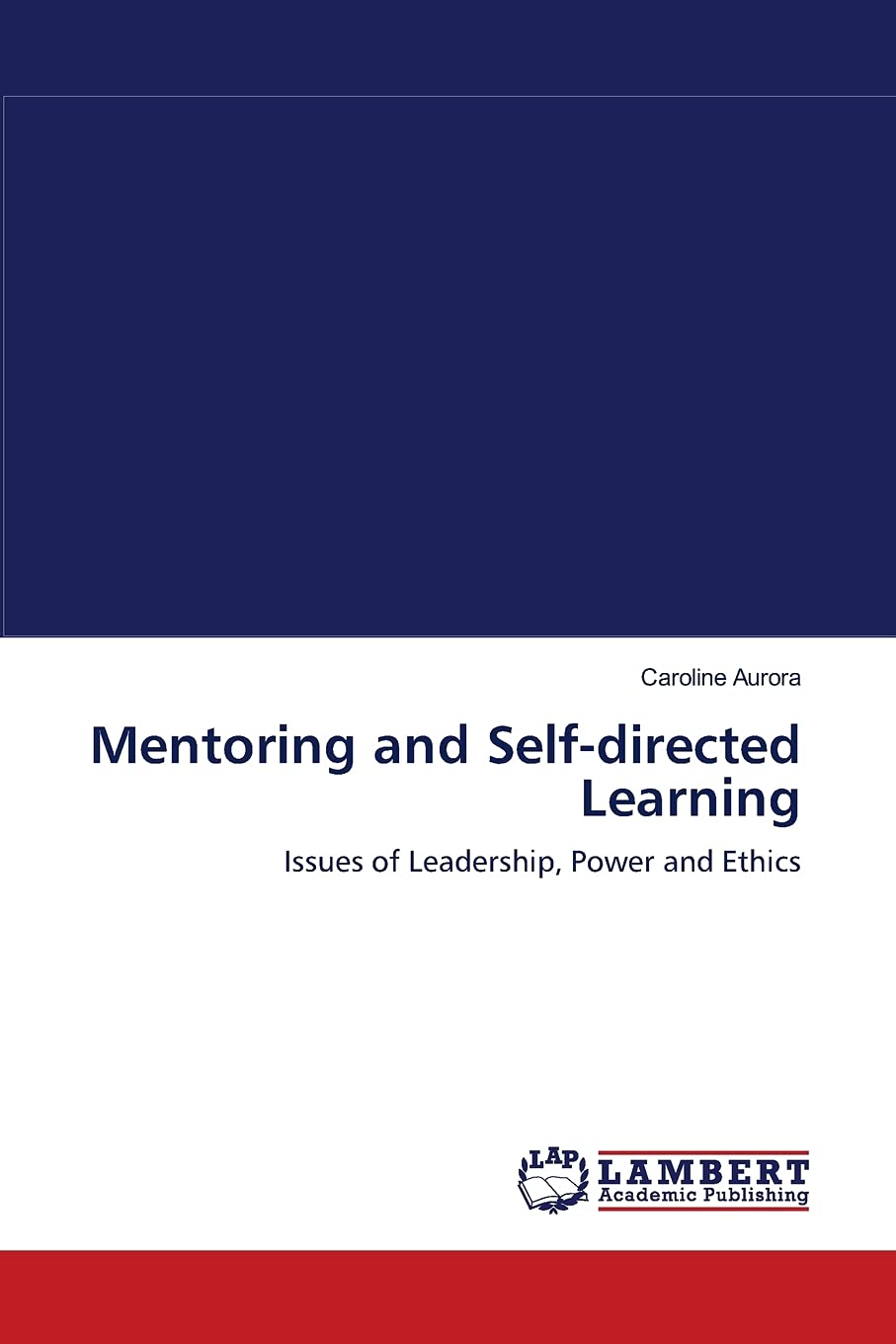
Mentoring has become recognised as a valuable tool for those working in the areas of staff training and the personal and social development of atrisk individuals. However, while outcomes for clients have typically been positive, due in large part to mentor knowledge and skill, success can not always be guaranteed. While this may be due, in large measure, to a lack of commitment on the part of the protg, the inadequacy of ongoing professional development for mentors also plays a significant part. The risk is that the learning outcomes for the client may be impaired. For the protg to benefit from the mentoring relationship, he/she needs to be engaged in the process. Learner selfdirection recognition of the need for and commitment to, learning outcomes is vital. However it does not stop there. The mentor can facilitate this process by his/her commitment to good leadership, to careful management of the power issues in the relationship, and an ethical stance that enables good practice.
⚠️ WARNING (California Proposition 65):
This product may contain chemicals known to the State of California to cause cancer,
birth defects, or other reproductive harm.
For MAP (Minimum Advertised Price) violations and Intellectual Property (IP) or Trademark concerns, please contact:
support@ergodebooks.com
⚠️ California Proposition 65 Warning: Some products sold on this website may expose you to chemicals known to the State of California to cause cancer, birth defects, or other reproductive harm. For more information, visit www.P65Warnings.ca.gov.