
Title
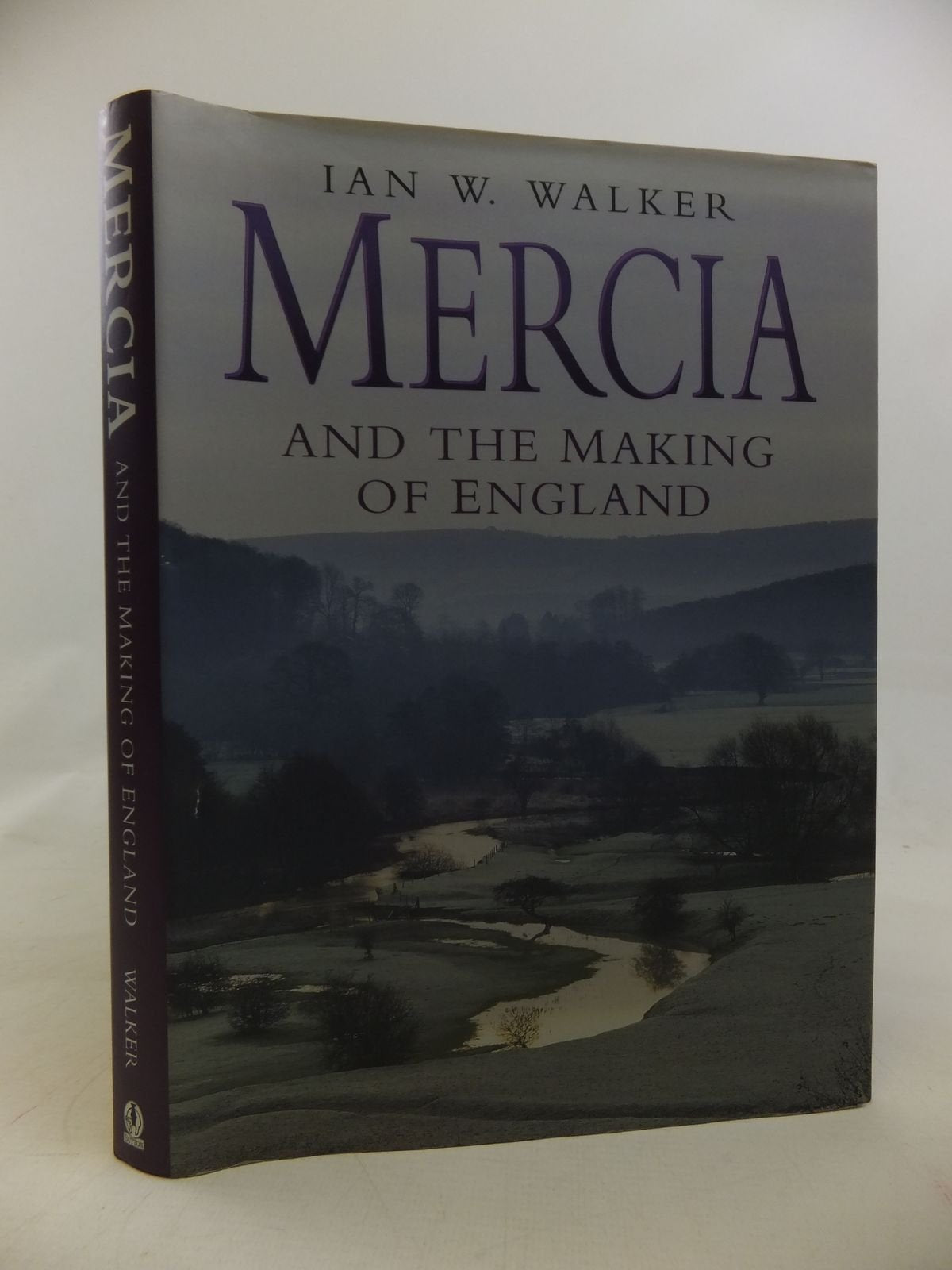
Mercia and the Making of England,Used
Sold by Ergodebooks, an authorized reseller.
Returns accepted within 30 days | support@ergodebooks.com
Shipping Information
- Free Standard Shipping — United States only
- Processing Time: 3–5 business days
- Estimated Delivery: 6–10 business days after dispatch
- Double-boxed, fully insured & discreetly packaged
- Tracking number sent via email once dispatched
Returns & Refund
Returns accepted within 30 days of delivery.
Damaged or Defective Item
Free return shipping + replacement or full refund
Wrong Item Received
Free return shipping + replacement or full refund
Change of Mind
Return shipping at customer's expense · 25% restocking fee applies
Payment Option

The role of King Alfred and his successors in the defence of Wessex against the Viking, in the recovery of lost territory and in the forging of a unified English kingdom is widely known. However, less is known about the part played in these crucial events by the Mercians the neighbours and rivals of the West Saxons, who occupied central England. This text reexamines the events of the mid8th to late10th centuries to provide a balanced account of the period. Traditionally, historians have focused on the decline of Mercia and the rise of Wessex, but Ian Walker reveals that, despite dynastic disputes and invasion, Mercia remained a powerful kingdom even after the long, successful reign of Offa. Moreover, he shows how the very real threat of Viking dominance persuaded Mercia and Wessex to cooperate as equals against a common enemy, making marriage alliances, launching joint campaigns, building fortresses and working in parallel to restore control over areas under Viking occupation. There was therefore a long period of coexistence and cooperation between Mercian leaders such as Aethelred and the redoubtable Lady Aethelflaed (the only woman to rule an AngloSaxon kingdom in her own right) and the rulers of Wessex such as Alfred the Great and Edward the Elder. The author goes on to trace how the unified kingdom of England came about partly because of this process, and partly because of a number of dynastic accidents, not, as is traditionally argued, because of West Saxon conquest. England was very much a new kingdom, a 'rex anglorum', rather than a greater Wessex, and without Mercia, it might never have been established.
⚠️ WARNING (California Proposition 65):
This product may contain chemicals known to the State of California to cause cancer, birth defects, or other reproductive harm.
For more information, please visit www.P65Warnings.ca.gov.