
Title
Mestizo In America: Generations Of Mexican Ethnicity In The Suburban Southwest,Used
Sold by Ergodebooks, an authorized reseller.
Returns accepted within 30 days | support@ergodebooks.com
Shipping Information
- Free Standard Shipping — United States only
- Processing Time: 3–5 business days
- Estimated Delivery: 6–10 business days after dispatch
- Double-boxed, fully insured & discreetly packaged
- Tracking number sent via email once dispatched
Returns & Refund
Returns accepted within 30 days of delivery.
Damaged or Defective Item
Free return shipping + replacement or full refund
Wrong Item Received
Free return shipping + replacement or full refund
Change of Mind
Return shipping at customer's expense · 25% restocking fee applies
Payment Option

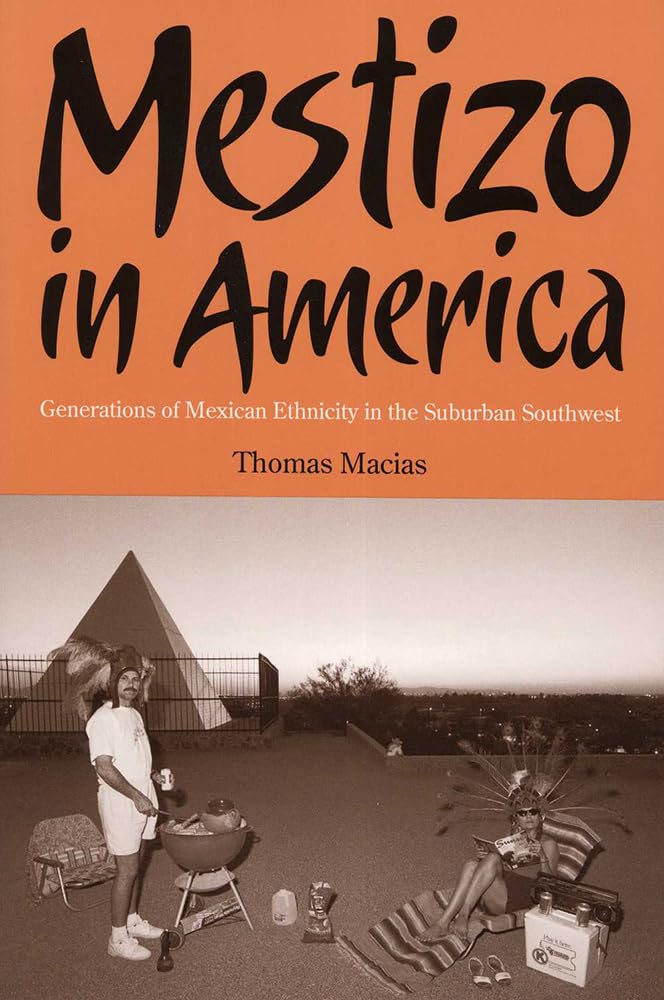
How much does ethnicity matter to Mexican Americans today, when many marry outside their culture and some cant even stomach menudo? This book addresses that question through a unique blend of quantitative data and firsthand interviews with thirdplusgeneration Mexican Americans. Latinos are being woven into the fabric of American life, to be sure, but in a way quite distinct from ethnic groups that have come from other parts of the world. By focusing on individuals feelings regarding acculturation, work experience, and ethnic identityand incorporating MexicanAnglo intermarriage statisticsThomas Macias compares the successes and hardships of Mexican immigrants with those of previous European arrivals. He describes how continual immigration, the growth of the Latino population, and the Chicano Movement have been important factors in shaping the experience of Mexican Americans, and he argues that Mexican American identity is often not merely an ethnic option but a necessary response to stereotyping and interactions with Anglo society.Talking with fifty thirdplus generation Mexican Americans from Phoenix and San Joserepresentative of the seven million nationally with at least one immigrant grandparenthe shows how people utilize such cultural resources as religion, spoken Spanish, and crossnational encounters to reinforce Mexican ethnicity in their daily lives. He then demonstrates that, although social integration for Mexican Americans shares many elements with that of European Americans, forces related to ethnic concentration, social inequality, and identity politics combine to make ethnicity for Mexican Americans more fixed across generations. Enhancing research already available on first and secondgeneration Mexican Americans, Maciass study also complements research done on other thirdplusgeneration ethnic groups and provides the empirical data needed to understand the commonalities and differences between them. His work plumbs the changing meaning of mestizaje in the Americas over five centuries and has much to teach us about the longterm assimilation and prospects of Mexicanorigin people in the United States.
⚠️ WARNING (California Proposition 65):
This product may contain chemicals known to the State of California to cause cancer, birth defects, or other reproductive harm.
For more information, please visit www.P65Warnings.ca.gov.