If you have any questions, you are always welcome to contact us. We'll get back to you as soon as possible, withing 24 hours on weekdays.
Customer service
All questions about your order, return and delivery must be sent to our customer service team by e-mail at yourstore@yourdomain.com
Sale & Press
If you are interested in selling our products, need more information about our brand or wish to make a collaboration, please contact us at press@yourdomain.com
Help
If you have any questions, you are always welcome to contact us. We'll get back to you as soon as possible, withing 24 hours on weekdays.
Customer service
All questions about your order, return and delivery must be sent to our customer service team by e-mail at yourstore@yourdomain.com
Sale & Press
If you are interested in selling our products, need more information about our brand or wish to make a collaboration, please contact us at press@yourdomain.com
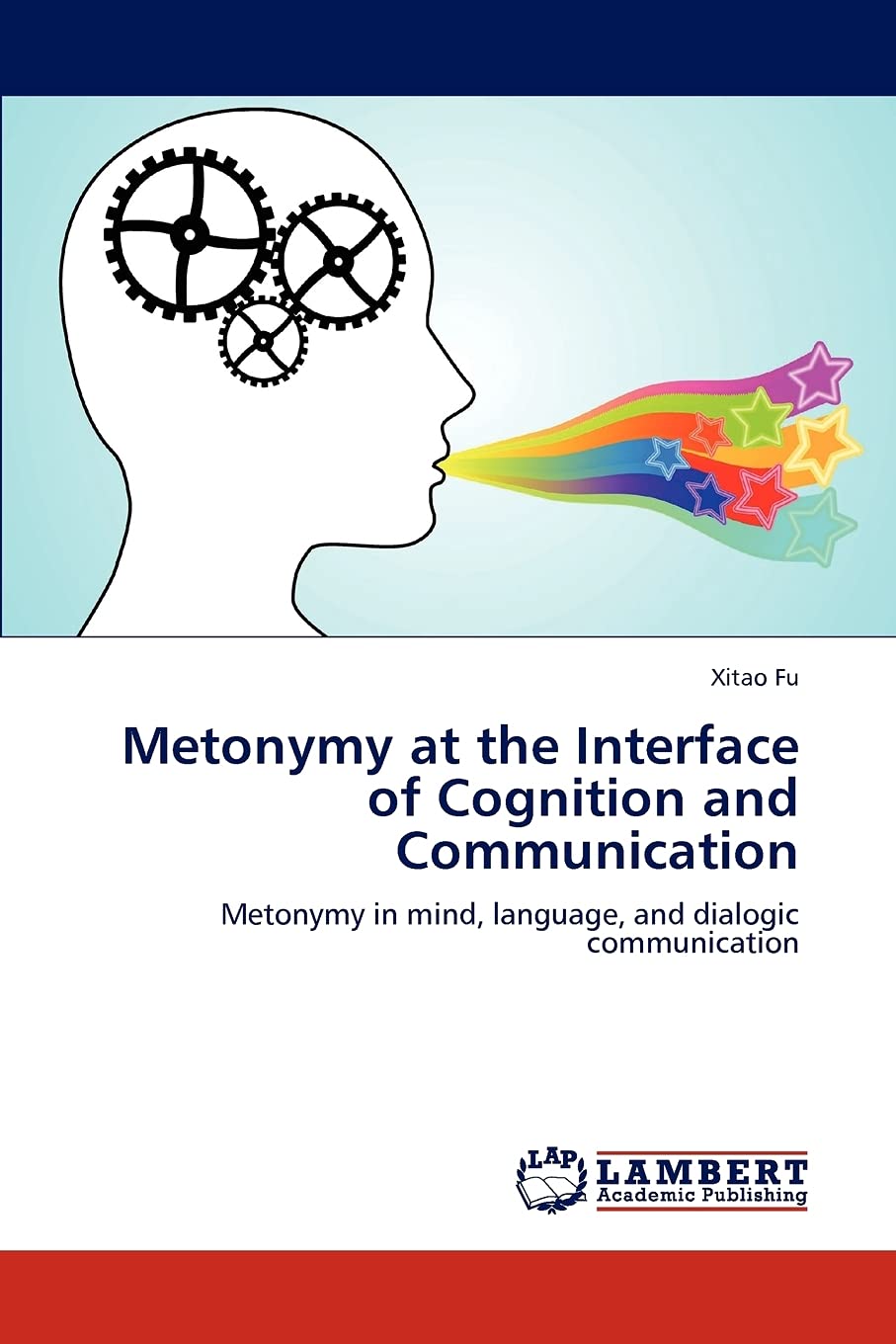
The Cognitive Linguistics treatment of metonymy focuses on how the part concept can evoke the whole, how a salient part of an experiential domain can evoke the domain at large, and how a specific member of a category can evoke the whole category and vice versa. Cognitive Linguists, e.g. Kvecses & Radden (1998), Radden & Kvecses (1999), Ruiz de Mendoza (2000), and Peirsman & Geeraerts (2006), use PART to accommodate the specific member, the part concept, and the salient part, and use WHOLE to accommodate the whole concept, the experiential domain, and the whole category. Therefore Cognitive Linguistics focuses on how the PART evokes the WHOLE and vice versa, i.e. PARTWHOLE RELATING. However, these are descriptions of associations between concepts that are already in place. What Cognitive Linguistics has not investigated in depth is the role metonymy may also play in the formation of those concepts (experiential domains and categories) (i.e. the WHOLE) in the first place. One of the aims of this research is to help fill that niche. It tentatively claims that metonymy is an innate cognitive mechanism involving PARTWHOLE FORMING, PARTWHOLE/PART RELATING processes.
⚠️ WARNING (California Proposition 65):
This product may contain chemicals known to the State of California to cause cancer,
birth defects, or other reproductive harm.
For MAP (Minimum Advertised Price) violations and Intellectual Property (IP) or Trademark concerns, please contact:
support@ergodebooks.com
⚠️ California Proposition 65 Warning: Some products sold on this website may expose you to chemicals known to the State of California to cause cancer, birth defects, or other reproductive harm. For more information, visit www.P65Warnings.ca.gov.