
Title
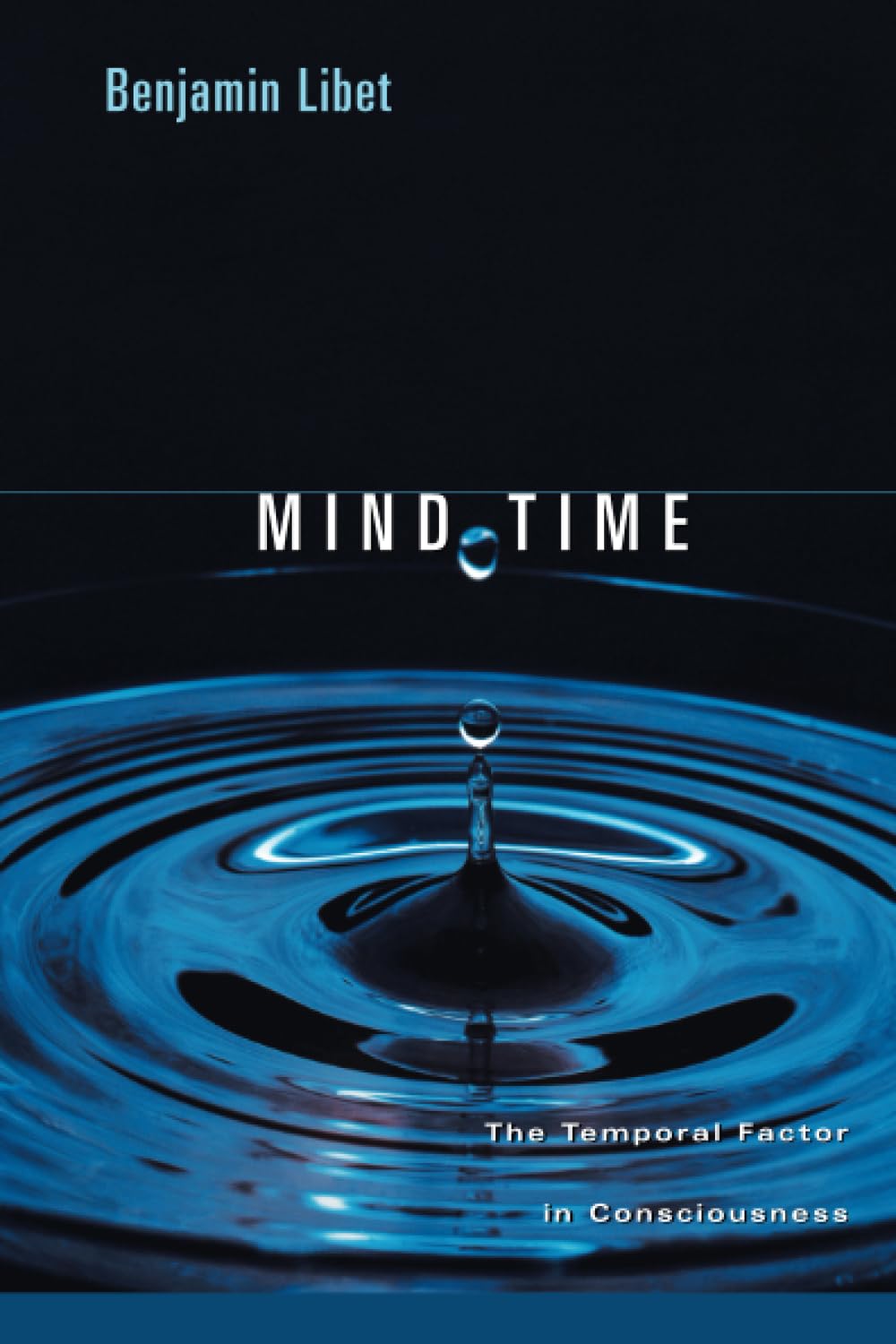
Mind Time: The Temporal Factor In Consciousness (Perspectives In Cognitive Neuroscience),New
Sold by Ergodebooks, an authorized reseller.
Returns accepted within 30 days | support@ergodebooks.com
Shipping Information
- Free Standard Shipping — United States only
- Processing Time: 3–5 business days
- Estimated Delivery: 6–10 business days after dispatch
- Double-boxed, fully insured & discreetly packaged
- Tracking number sent via email once dispatched
Returns & Refund
Returns accepted within 30 days of delivery.
Damaged or Defective Item
Free return shipping + replacement or full refund
Wrong Item Received
Free return shipping + replacement or full refund
Change of Mind
Return shipping at customer's expense · 25% restocking fee applies
Payment Option

Our Subjective Inner Life Is What Really Matters To Us As Human Beingsand Yet We Know Relatively Little About How It Arises. Over A Long And Distinguished Career Benjamin Libet Has Conducted Experiments That Have Helped Us See, In Clear And Concrete Ways, How The Brain Produces Conscious Awareness. For The First Time, Libet Gives His Own Account Of These Experiments And Their Importance For Our Understanding Of Consciousness.Most Notably, Libet'S Experiments Reveal A Substantial Delaythe 'Mind Time' Of The Titlebefore Any Awareness Affects How We View Our Mental Activities. If All Conscious Awarenesses Are Preceded By Unconscious Processes, As Libet Observes, We Are Forced To Conclude That Unconscious Processes Initiate Our Conscious Experiences. Freely Voluntary Acts Are Found To Be Initiated Unconsciously Before An Awareness Of Wanting To Acta Discovery With Profound Ramifications For Our Understanding Of Free Will.How Do The Physical Activities Of Billions Of Cerebral Nerve Cells Give Rise To An Integrated Conscious Subjective Awareness? How Can The Subjective Mind Affect Or Control Voluntary Actions? Libet Considers These Questions, As Well As The Implications Of His Discoveries For The Nature Of The Soul, The Identity Of The Person, And The Relation Of The Nonphysical Subjective Mind To The Physical Brain That Produces It. Rendered In Clear, Accessible Language, Libet'S Experiments And Theories Will Allow Interested Amateurs And Experts Alike To Share The Experience Of The Extraordinary Discoveries Made In The Practical Study Of Consciousness.
⚠️ WARNING (California Proposition 65):
This product may contain chemicals known to the State of California to cause cancer, birth defects, or other reproductive harm.
For more information, please visit www.P65Warnings.ca.gov.
- Q: How many pages does the book have? A: This book has two hundred seventy-two pages. It provides an in-depth exploration of consciousness and its relationship with the brain.
- Q: What is the binding type of this book? A: The book is available in paperback binding. This makes it lightweight and easy to handle for extended reading sessions.
- Q: What are the dimensions of the book? A: The book measures five point five one inches in length, zero point six eight inches in width, and eight point two seven inches in height. These dimensions make it portable for reading anywhere.
- Q: Who is the author of this book? A: The author of the book is Benjamin Libet. He is a well-respected figure in the field of neuropsychology.
- Q: What is the main focus of the book? A: The focus of the book is on the temporal factors involved in consciousness. It explores how unconscious processes precede conscious awareness.
- Q: How do I read this book? A: You can read this book in any comfortable setting, such as at home or in a quiet café. It is suitable for both casual readers and those with a more academic interest in consciousness.
- Q: Is this book suitable for beginners in psychology? A: Yes, the book is suitable for beginners. It is written in clear, accessible language, making complex ideas understandable.
- Q: What age group is this book appropriate for? A: This book is best suited for adults and older teenagers. It discusses complex themes related to consciousness and free will.
- Q: How should I care for this book? A: To keep the book in good condition, store it upright on a shelf away from direct sunlight. Avoid exposing it to moisture to prevent damage.
- Q: Is there a warranty for this book? A: Typically, there is no warranty for books, but check with the seller for their return policy. This ensures you can return it if it arrives damaged.
- Q: What do I do if the book arrives damaged? A: If the book arrives damaged, contact the seller immediately. Most sellers will provide a return or replacement option.
- Q: How does this book compare to other works on consciousness? A: This book offers a unique perspective based on experimental findings by Libet. It differs from others by focusing specifically on the delay between unconscious and conscious actions.
- Q: Is this book recommended for academic study? A: Yes, this book is recommended for academic study. It provides valuable insights into the relationship between brain processes and conscious experience.
- Q: What themes are explored in the book? A: The book explores themes such as free will, the nature of consciousness, and the relationship between the mind and brain. These themes are critical in understanding human experience.
- Q: Can I share this book with others? A: Yes, you can share this book with others. It is a great resource for discussions about consciousness and psychology.
- Q: Is this book available in digital format? A: Availability in digital format may vary. Check with your preferred retailer to see if an eBook version is offered.