
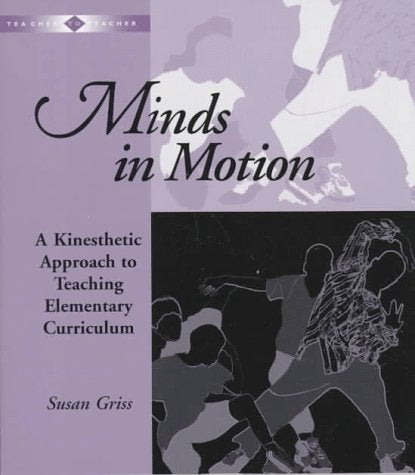
Title
Minds In Motion: A Kinesthetic Approach To Teaching Elementary Curriculum (Teacher To Teacher Series),New
Sold by Ergodebooks, an authorized reseller.
Returns accepted within 30 days | support@ergodebooks.com
Shipping Information
- Free Standard Shipping — United States only
- Processing Time: 3–5 business days
- Estimated Delivery: 6–10 business days after dispatch
- Double-boxed, fully insured & discreetly packaged
- Tracking number sent via email once dispatched
Returns & Refund
Returns accepted within 30 days of delivery.
Damaged or Defective Item
Free return shipping + replacement or full refund
Wrong Item Received
Free return shipping + replacement or full refund
Change of Mind
Return shipping at customer's expense · 25% restocking fee applies
Payment Option

Kids Love To Move. They Use Their Bodies To Play, Communicate, And Express Emotions. In Minds In Motion, Susan Griss Shows Teachers How They Can Channel This Kinesthetic Language Into Constructive Learning Experiences, Demonstrating What A Natural Route Physicality Can Be To Content Area Instruction.Minds In Motion Introduces Elementary Teachers To The Process Of Identifying, Creating, And Implementing Lessons That Encourage Students To Learn By Using Their Bodies As Well As Their Minds. It Covers A Range Of Subjects That Includes Science, Math, Language Arts, History, Conflict Resolution, And More. Through The Use Of Specific Examples, Griss Illustrates The Benefits Of Physicalizing Academic Concepts, Including How Movement: Makes Learning Tangible, Accessible, And Memorable Cultivates Critical Thinking And The Use Of Higherlevel Thinking Skills Demands Both Individual Decision Making And Group Interaction Encourages Students To Make Use Of Their Own Experiences And Observations As A Foundation For Knowledge Stimulates Creative And Dynamic Energy In The Classroom.An Ideal Resource For Both Preservice And Inservice Teachers, Minds In Motion Offers Practical Advice And Support For Teachers Who Have No Experience With Movement And Inspiration For Those Who Already Use Movement In The Classroom, But Are Looking For New And Imaginative Ways To Transform Lessons Into Creative Kinesthetic Experiences.
⚠️ WARNING (California Proposition 65):
This product may contain chemicals known to the State of California to cause cancer, birth defects, or other reproductive harm.
For more information, please visit www.P65Warnings.ca.gov.
- Q: What is the page count of this book? A: This book has one hundred forty-four pages. It offers a comprehensive guide on using kinesthetic learning in classrooms.
- Q: What is the binding type of 'Minds in Motion'? A: The binding type is paperback. This makes it lightweight and easy to handle for teachers.
- Q: What are the dimensions of this book? A: The dimensions are seven point five two inches in length, eight point five inches in height, and zero point thirty-one inches in width. These measurements ensure the book is portable for classroom use.
- Q: What subjects does 'Minds in Motion' cover? A: It covers a range of subjects including science, math, language arts, and history. The book integrates movement into various academic areas to enhance learning.
- Q: Is this book suitable for all grade levels? A: This book is specifically designed for elementary teachers. It provides methods to engage young students through movement and physical activities.
- Q: How can teachers implement the techniques from this book? A: Teachers can implement these techniques by creating lessons that encourage movement. The book offers practical advice and examples for integrating physicality into learning.
- Q: What is the author’s background? A: The author is Susan Griss, an experienced educator. She focuses on kinesthetic approaches to teaching, making her insights valuable for teachers.
- Q: How does movement enhance learning according to this book? A: Movement makes learning tangible and memorable. It encourages critical thinking and engages students’ individual experiences as a foundation for knowledge.
- Q: Can this book help teachers with no experience in movement? A: Yes, it offers practical advice for teachers with little to no experience in movement. It also inspires those familiar with movement to explore new ideas.
- Q: What age group is this book aimed at? A: The book is aimed at elementary school teachers. It provides strategies for engaging children typically aged five to eleven.
- Q: Does this book provide specific lesson examples? A: Yes, it includes specific examples for creating and implementing kinesthetic lessons. These examples help teachers visualize effective applications.
- Q: Is there a focus on conflict resolution in this book? A: Yes, conflict resolution is one of the subjects covered. The book shows how movement can facilitate better understanding and resolution among students.
- Q: What benefits does physicalizing academic concepts provide? A: Physicalizing concepts makes them more accessible and memorable. It stimulates creative energy and promotes group interaction in the classroom.
- Q: How does this book support critical thinking? A: It cultivates critical thinking by requiring students to make decisions during movement-based activities. This approach encourages higher-level thinking skills.
- Q: Are there any additional resources available with this book? A: While the book itself is a comprehensive resource, it may reference additional materials or websites for further teaching support. Teachers are encouraged to explore those.