
Title
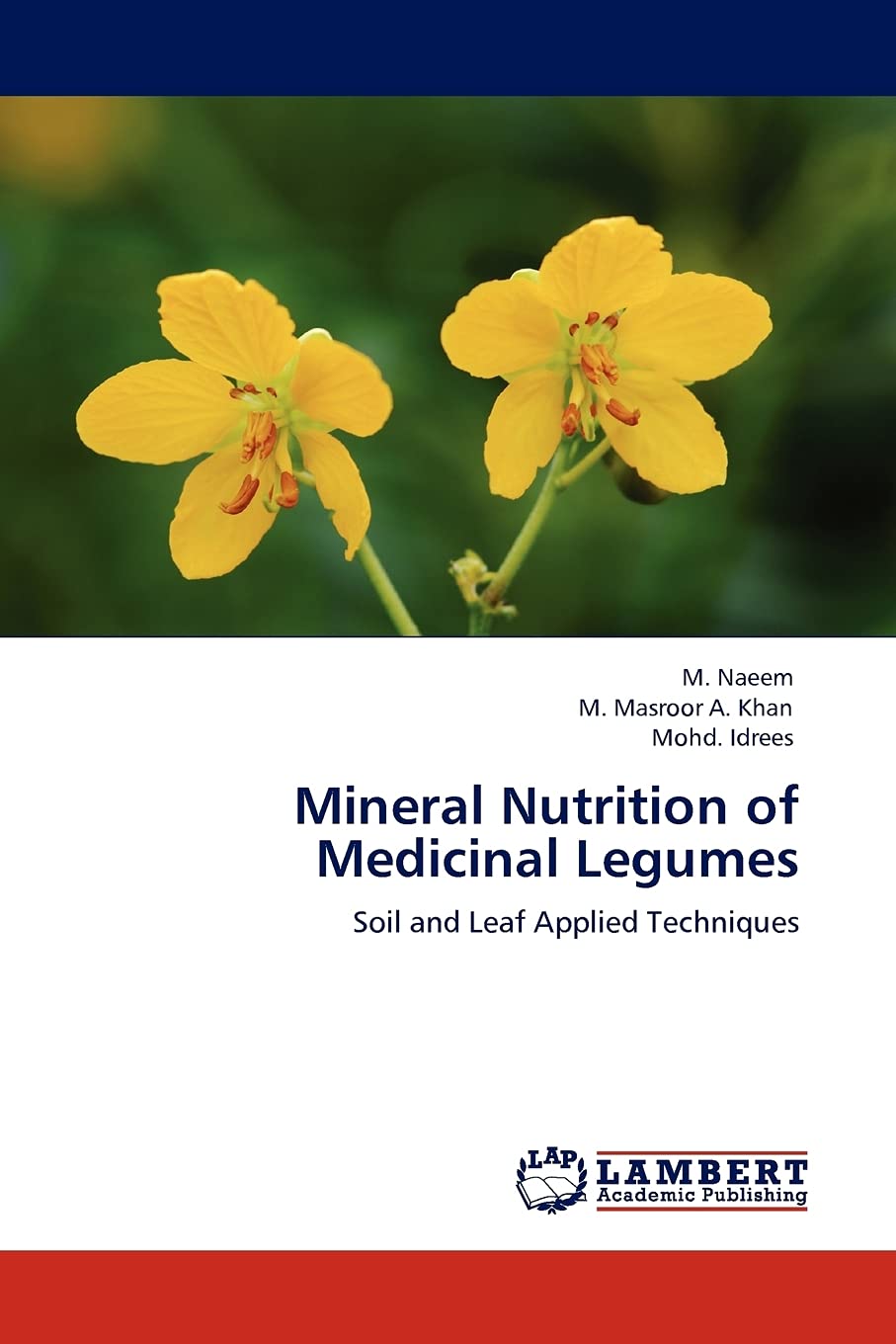
Mineral Nutrition of Medicinal Legumes: Soil and Leaf Applied Techniques,Used
Sold by Ergodebooks, an authorized reseller.
Returns accepted within 30 days | support@ergodebooks.com
Shipping Information
- Free Standard Shipping — United States only
- Processing Time: 3–5 business days
- Estimated Delivery: 6–10 business days after dispatch
- Double-boxed, fully insured & discreetly packaged
- Tracking number sent via email once dispatched
Returns & Refund
Returns accepted within 30 days of delivery.
Damaged or Defective Item
Free return shipping + replacement or full refund
Wrong Item Received
Free return shipping + replacement or full refund
Change of Mind
Return shipping at customer's expense · 25% restocking fee applies
Payment Option

Majority of the medicinal plants belong to angiospermic families of which legume family (Fabaceae) is the third largest, with approximately 650 genera and 20,000 species. A handsome number of medicinal legumes are potential sources of glycosides (aloeemodin, chrysophenol, emodin, and rhein etc.), antibiotics, flavonoids, alkaloids and phytochemicals, which are used in drug manufacturing by the pharmaceutical industries. Among them, hyacinth bean, senna sophera, coffee senna and cassia tora constitute the most important source of therapeutic agents used in the modern as well as traditional systems of medicine. For the cultivation of plants, the role of mineral nutrition is of paramount importance. Generally legumes require high amount of phosphorus and calcium for their growth, nodule formation and N2fixation. Hence, intensive research efforts should be expanded for maximizing the yield of potentially useful leguminous medicinal plants particularly through optimal supply of the required fertilizers. This work provides valuable information regarding mineral nutrition strategies for the cultivation of medicinally important leguminous plants.
⚠️ WARNING (California Proposition 65):
This product may contain chemicals known to the State of California to cause cancer, birth defects, or other reproductive harm.
For more information, please visit www.P65Warnings.ca.gov.