
Title
Mining Coal And Undermining Gender: Rhythms Of Work And Family In The American West,Used
Sold by Ergodebooks, an authorized reseller.
Returns accepted within 30 days | support@ergodebooks.com
Shipping Information
- Free Standard Shipping — United States only
- Processing Time: 3–5 business days
- Estimated Delivery: 6–10 business days after dispatch
- Double-boxed, fully insured & discreetly packaged
- Tracking number sent via email once dispatched
Returns & Refund
Returns accepted within 30 days of delivery.
Damaged or Defective Item
Free return shipping + replacement or full refund
Wrong Item Received
Free return shipping + replacement or full refund
Change of Mind
Return shipping at customer's expense · 25% restocking fee applies
Payment Option

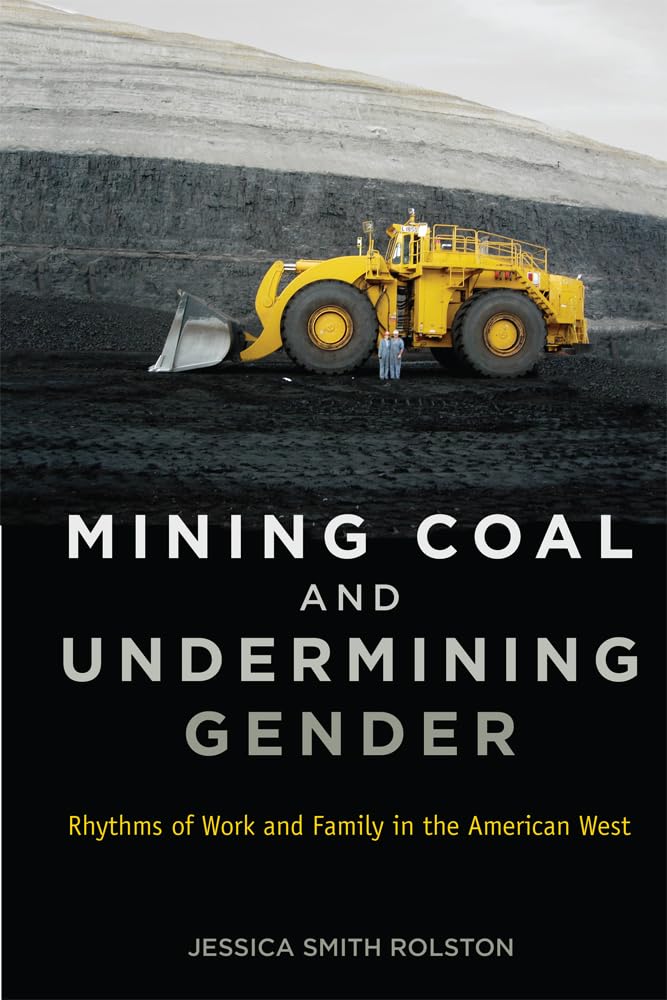
Winner of the 2018 Distinguished Book Award from the Western Social Science AssociationThough mining is an infamously masculine industry, women make up 20 percent of all production crews in Wyomings Powder River Basinthe largest coalproducing region in the United States. How do these women fit into a working culture supposedly hostile to females? This is what anthropologist Jessica Smith Rolston, herself a onetime mine worker and the daughter of a miner, set out to discover. Her answers, based on years of participantobservation in four mines and extensive interviews with miners, managers, engineers, and the families of mine employees, offer a rich and surprising view of the working families that miners construct. In this picture, gender roles are not nearly as straightforwardor as straitenedas stereotypes suggest.Gender is far from the primary concern of coworkers in crews. Far more important, Rolston finds, is protecting the safety of the entire crew and finding a way to treat each other well despite the stresses of their jobs. These miners share the burden of rotating shift workcontinually switching between twelvehour day and night shiftswhich deprives them of the daily rhythms of a typical home, from morning breakfasts to bedtime stories. Rolston identifies the mine workers response to these shared challenges as a new sort of constructed kinship that both challenges and reproduces gender roles in their everyday working and family lives.Crews expectations for coworkers to treat one another like family and to adopt an agricultural work ethic tend to minimize gender differences. And yet, these differences remain tenacious in the equation of masculinity with technical expertise, and of femininity with household responsibilities. For Rolston, such lingering areas of inequality highlight the importance of structural constraints that flout a common impulse among men and women to neutralize the significance of gender, at home and in the workplace.At a time when the Appalachian region continues to dominate discussion of mining culture, this book provides a very different and unexpected viewof how miners live and work together, and of how their lives and work reconfigure ideas of gender and kinship.
⚠️ WARNING (California Proposition 65):
This product may contain chemicals known to the State of California to cause cancer, birth defects, or other reproductive harm.
For more information, please visit www.P65Warnings.ca.gov.