
Title
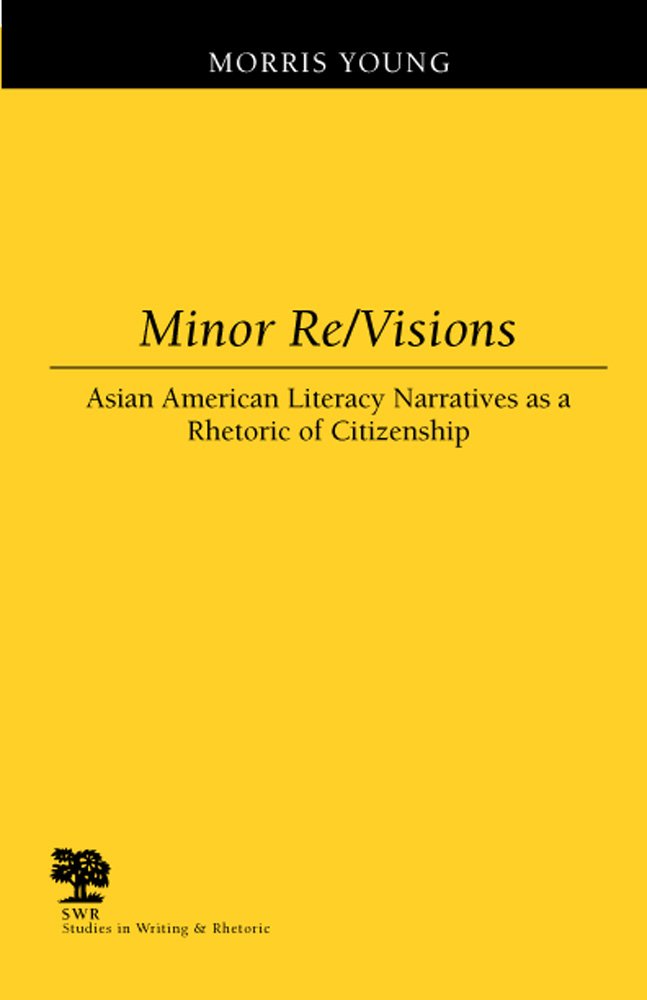
Minor Re/Visions: Asian American Literacy Narratives As A Rhetoric Of Citizenship (Studies In Writing And Rhetoric),New
Sold by Ergodebooks, an authorized reseller.
Returns accepted within 30 days | support@ergodebooks.com
Shipping Information
- Free Standard Shipping — United States only
- Processing Time: 3–5 business days
- Estimated Delivery: 6–10 business days after dispatch
- Double-boxed, fully insured & discreetly packaged
- Tracking number sent via email once dispatched
Returns & Refund
Returns accepted within 30 days of delivery.
Damaged or Defective Item
Free return shipping + replacement or full refund
Wrong Item Received
Free return shipping + replacement or full refund
Change of Mind
Return shipping at customer's expense · 25% restocking fee applies
Payment Option

Through A Blend Of Personal Narrative, Cultural And Literary Analysis, And Discussions About Teaching, Minor Re/Visions: Asian American Literacy Narratives As A Rhetoric Of Citizenship Shows How People Of Color Use Reading And Writing To Develop And Articulate Notions Of Citizenship. Morris Young Begins With A Narration Of His Own Literacy Experiences To Illustrate The Complicated Relationship Among Literacy, Race, And Citizenship And To Reveal The Tensions That Exist Between Competing Beliefs And Uses Of Literacy Among Those Who Are Part Of Dominant American Culture And Those Who Are Positioned As Minorities.Influenced By The Literacy Narratives Of Other Writers Of Color, Young Theorizes An Asian American Rhetoric By Examining The Rhetorical Construction Of American Citizenship In Works Such As Richard Rodriguezs Hunger Of Memory, Victor Villanuevas Bootstraps: From An American Academic Of Color, Carlos Bulosans America Is In The Heart, And Maxine Hong Kingstons Song For A Barbarian Reed Pipe From Woman Warrior. These Narratives, Young Shows, Tell Stories Of Transformation Through Education, The Acquisition Of Literacy, And Cultural Assimilation And Resistance. They Also Offer An Important Revision To The American Story By Inserting The Minor And Creating A Tension Amid Dominant Discourses About Literacy, Race, And Citizenship. Through A Consideration Of The Literacy Narratives Of Hawaii, Young Also Provides A Context For Reading Literacy Narratives As Responses To Racism, Linguistic Discrimination, And Attempts At Othering In A Particular Region.As We Are Faced With Dominant Discourses That Construct Race And Citizenship In Problematic Ways And As Official Institutions Become Even More Powerful And Prevalent In Silencing Minor Voices, Minor Re/Visions Reveals The Critical Need For Revising Minority And Dominant Discourses. Youngs Observations And Conclusions Have Important Implications For The Ways Rhetoricians And Compositionists Read, Teach, And Assign Literacy Narratives.
⚠️ WARNING (California Proposition 65):
This product may contain chemicals known to the State of California to cause cancer, birth defects, or other reproductive harm.
For more information, please visit www.P65Warnings.ca.gov.
- Q: What is the page count of this book? A: This book has two hundred forty-four pages. It provides a comprehensive exploration of Asian American literacy narratives.
- Q: What is the binding type of this book? A: The book is paperback bound. This makes it lightweight and flexible for easy reading.
- Q: What are the dimensions of this book? A: The book measures five point five one inches in length, zero point seven nine inches in width, and eight point five inches in height.
- Q: How do I read this book? A: You can read this book like any standard paperback. It's designed for readers interested in literacy narratives and cultural analysis.
- Q: Is this book suitable for all ages? A: Yes, this book is appropriate for a wide range of readers. However, its themes may be more relevant to older students and adults.
- Q: What themes are explored in this book? A: This book explores themes of literacy, race, and citizenship. It discusses how these themes intersect within Asian American experiences.
- Q: How should I store this book? A: Store the book in a cool, dry place away from direct sunlight. This will help preserve its condition over time.
- Q: Can this book be cleaned? A: Yes, you can gently wipe the cover with a soft, dry cloth. Avoid using water or cleaning solutions to prevent damage.
- Q: What do I do if the book arrives damaged? A: If the book arrives damaged, contact the seller for a return or exchange. Most sellers have policies for handling such issues.
- Q: Is there a warranty on this book? A: No, books typically do not come with a warranty. However, check the retailer's return policy for any guarantees.
- Q: How does this book compare to other literacy narratives? A: This book uniquely focuses on Asian American perspectives, contrasting with other narratives that may not address race and citizenship specifically.
- Q: Would this book be good for academic study? A: Yes, this book is ideal for academic study. It offers insights into literacy and cultural studies, making it valuable for students and educators.
- Q: Is this book available in other formats? A: Currently, this book is available only in paperback. E-book versions may not be offered by the publisher.
- Q: Who is the author of this book? A: The author of this book is Morris Young. He brings personal narratives and scholarly analysis to the topic of literacy.
- Q: What is the publisher of this book? A: The book is published by Southern Illinois University Press. This publisher specializes in academic and scholarly works.
- Q: Are there any illustrations in this book? A: Yes, the book includes ten illustrations. These complement the text and enhance the reader's understanding of the themes presented.