If you have any questions, you are always welcome to contact us. We'll get back to you as soon as possible, withing 24 hours on weekdays.
Customer service
All questions about your order, return and delivery must be sent to our customer service team by e-mail at yourstore@yourdomain.com
Sale & Press
If you are interested in selling our products, need more information about our brand or wish to make a collaboration, please contact us at press@yourdomain.com
Help
If you have any questions, you are always welcome to contact us. We'll get back to you as soon as possible, withing 24 hours on weekdays.
Customer service
All questions about your order, return and delivery must be sent to our customer service team by e-mail at yourstore@yourdomain.com
Sale & Press
If you are interested in selling our products, need more information about our brand or wish to make a collaboration, please contact us at press@yourdomain.com
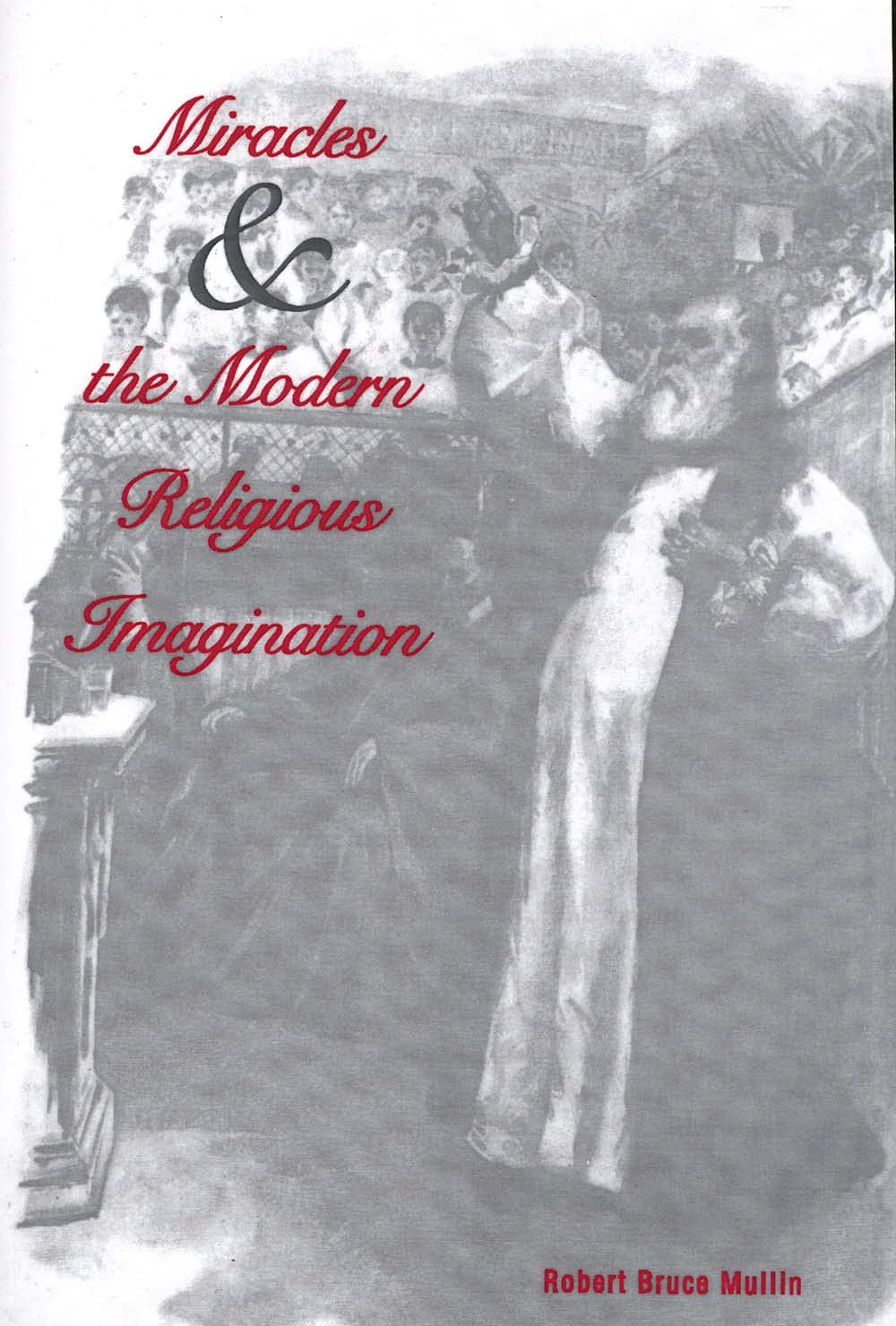
According to surveys, most Americans today believe in miracles. For many others, however, a belief in miracles seems incompatible with a modern world view. Why does interest in miracles persist even in a secular era? Why are miracles such a controversial part of Western religious thinking? In this fascinating book, Robert Bruce Mullin traces the debate about miracles from the Reformation to the twentieth century, focusing particularly on the years from 1860 to 1930. He examines the way preachers, faith healers, psychic researchers, scientists, historians, philosophers, and literary figures have grappled with issues of the miraculous.Before the mid1800s, the author contends, Catholics had defended postBiblical miracles, while Protestants insisted true miracles were limited to the Biblical era. By the end of the nineteenth century, however, the Protestant position had largely collapsed, and two opposing views emerged in its wake. Some Protestants wished to jettison all miracleseven those recorded in the Bible. Others took a new interest in modern miracles, believing that the presence of miracles could help ground contemporary religious faith. This transformation in attitudes toward miracles not only changed the AngloAmerican religious landscape and created a new focus of debate, Mullin says, it also opened up a new basis for accord between Protestants and Catholics.
⚠️ WARNING (California Proposition 65):
This product may contain chemicals known to the State of California to cause cancer,
birth defects, or other reproductive harm.
For MAP (Minimum Advertised Price) violations and Intellectual Property (IP) or Trademark concerns, please contact:
support@ergodebooks.com
⚠️ California Proposition 65 Warning: Some products sold on this website may expose you to chemicals known to the State of California to cause cancer, birth defects, or other reproductive harm. For more information, visit www.P65Warnings.ca.gov.