
Title
Mirrors of Memory: Freud, Photography, and the History of Art (Cornell Studies in the History of Psychiatry),Used
Sold by Ergodebooks, an authorized reseller.
Returns accepted within 30 days | support@ergodebooks.com
Shipping Information
- Free Standard Shipping — United States only
- Processing Time: 3–5 business days
- Estimated Delivery: 6–10 business days after dispatch
- Double-boxed, fully insured & discreetly packaged
- Tracking number sent via email once dispatched
Returns & Refund
Returns accepted within 30 days of delivery.
Damaged or Defective Item
Free return shipping + replacement or full refund
Wrong Item Received
Free return shipping + replacement or full refund
Change of Mind
Return shipping at customer's expense · 25% restocking fee applies
Payment Option

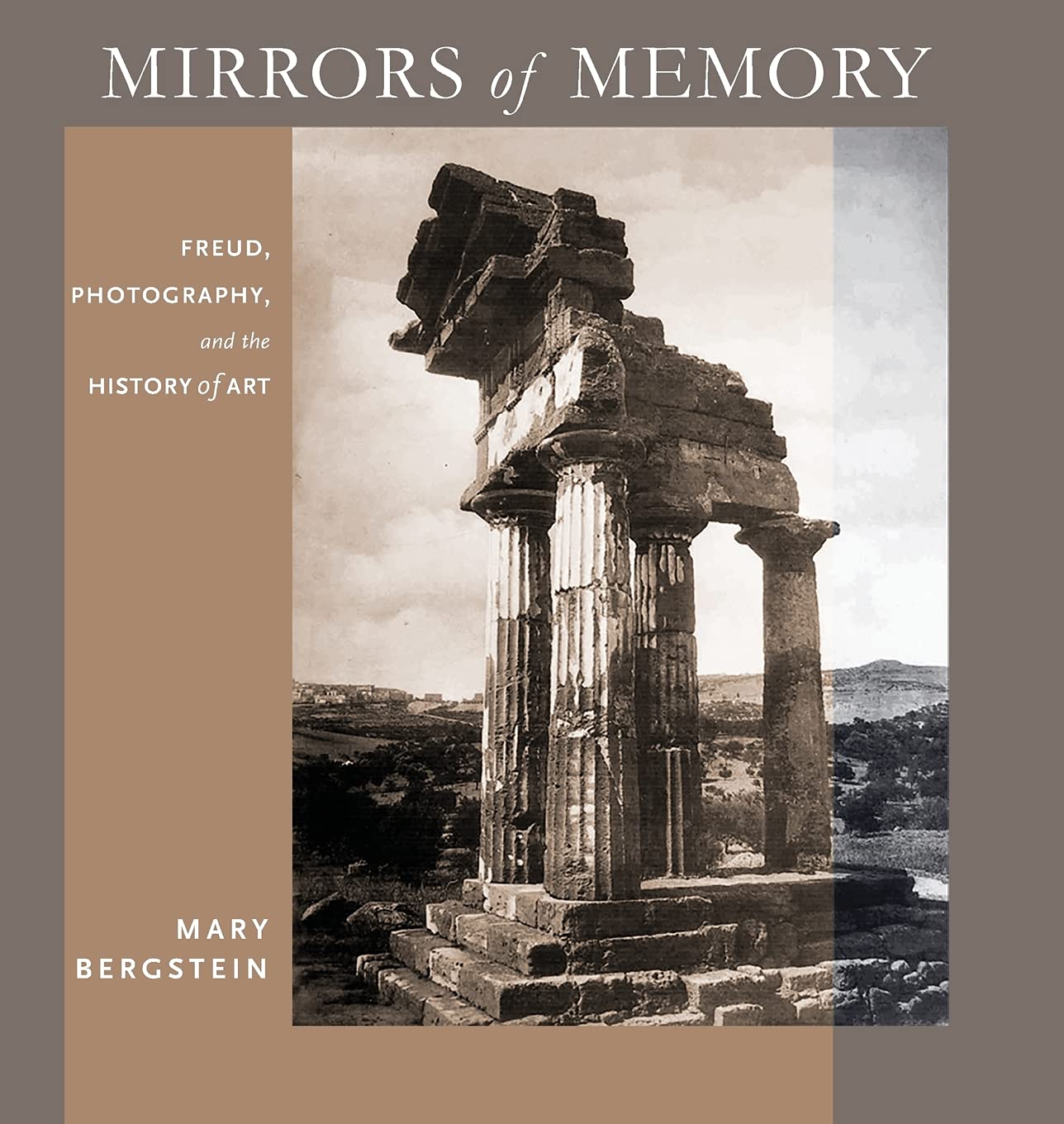
Photographs shaped the view of the world in turnofthecentury Central Europe, bringing images of everything from natural and cultural history to masterpieces of Greek sculpture into homes and offices. Sigmund Freud's libraryno exception to this trendwas filled with individual photographs and images in books. According to Mary Bergstein, these photographs also profoundly shaped Freud's thinking in ways that were no less important because they may have been involuntary and unconscious. In Mirrors of Memory, lavishly illustrated with reproductions of the photos from Freud's voluminous collection, she argues that studying the man and his photographs uncovers a key to the origins of psychoanalysis.In Freud's era, photographs were viewed as transparent windows revealing objective truth but at the same time were highly subjective, resembling a kind of dreammemory. Thus, a photo of a ruined temple both depicted the particular place and conveyed a sense of loss, oblivion, of time passing and past, and provided entry into the language of the psychoanalytic project. Bergstein seeks to understand how various kinds of photographsof sculptures; archaeological sites in Greece, Rome, and Egypt; medical conditions; ethnographic scenesfed into Freud's thinking as he elaborated the concepts of psychoanalysis. The result is a book that makes a significant contribution to our understanding of early twentieth century visual culture even as it shows that photography shaped the ways in which the great archaeologist of the human mind saw and thought about the world.
⚠️ WARNING (California Proposition 65):
This product may contain chemicals known to the State of California to cause cancer, birth defects, or other reproductive harm.
For more information, please visit www.P65Warnings.ca.gov.