
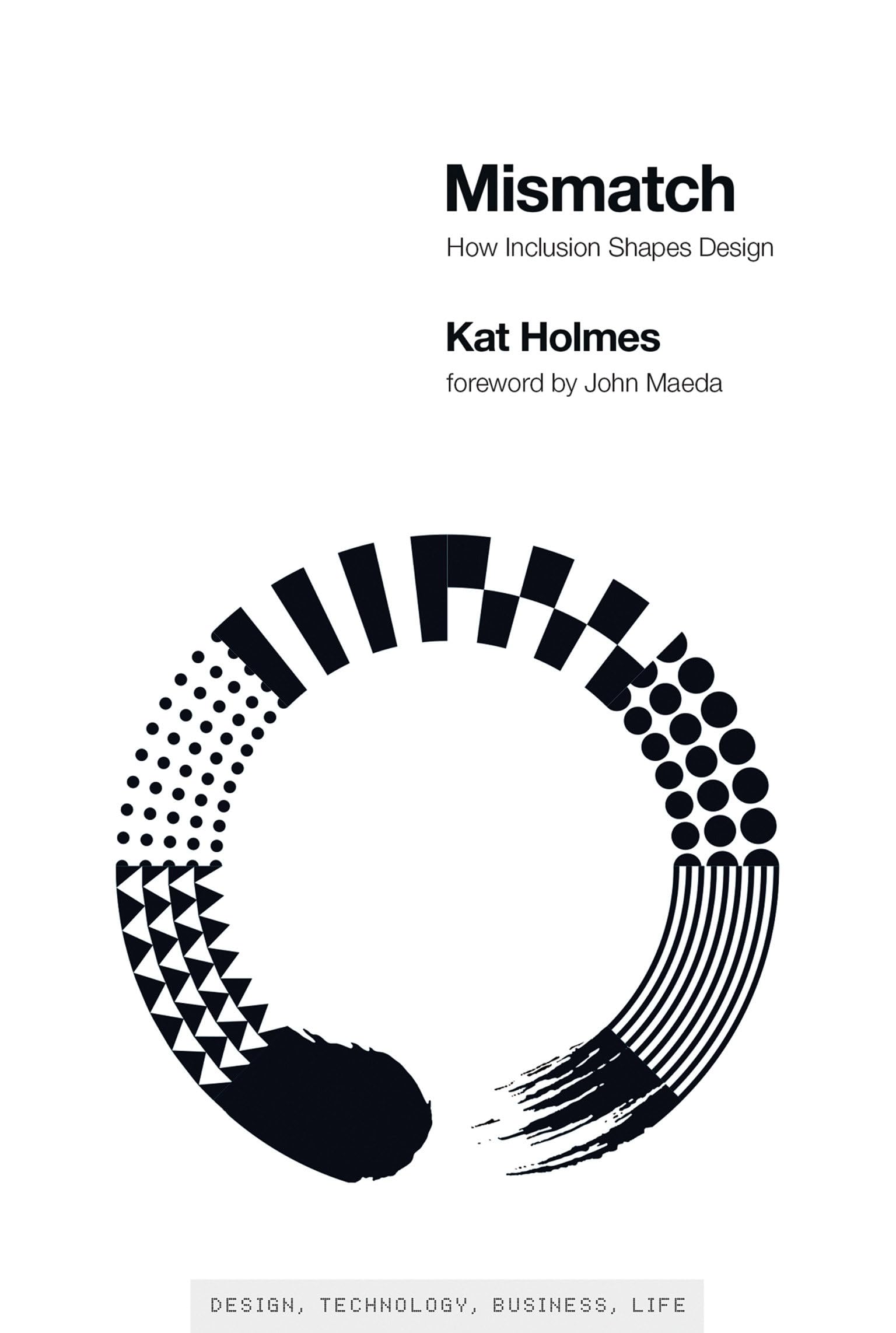
Title
Mismatch: How Inclusion Shapes Design (Simplicity: Design, Technology, Business, Life),Used
Sold by Ergodebooks, an authorized reseller.
Returns accepted within 30 days | support@ergodebooks.com
Shipping Information
- Free Standard Shipping — United States only
- Processing Time: 3–5 business days
- Estimated Delivery: 6–10 business days after dispatch
- Double-boxed, fully insured & discreetly packaged
- Tracking number sent via email once dispatched
Returns & Refund
Returns accepted within 30 days of delivery.
Damaged or Defective Item
Free return shipping + replacement or full refund
Wrong Item Received
Free return shipping + replacement or full refund
Change of Mind
Return shipping at customer's expense · 25% restocking fee applies
Payment Option

How inclusive methods can build elegant design solutions that work for all.Sometimes designed objects reject their users: a computer mouse that doesn't work for lefthanded people, for example, or a touchscreen payment system that only works for people who read English phrases, have 20/20 vision, and use a credit card. Something as simple as color choices can render a product unusable for millions. These mismatches are the building blocks of exclusion. In Mismatch, Kat Holmes describes how design can lead to exclusion, and how design can also remedy exclusion. Inclusive design methodsdesigning objects with rather than for excluded userscan create elegant solutions that work well and benefit all.Holmes tells stories of pioneers of inclusive design, many of whom were drawn to work on inclusion because of their own experiences of exclusion. A gamer and designer who depends on voice recognition shows Holmes his Wall of Exclusion, which displays dozens of game controllers that require two hands to operate; an architect shares her firsthand knowledge of how design can fail communities, gleaned from growing up in Detroit's housing projects; an astronomer who began to lose her eyesight adapts a technique called sonification so she can listen to the stars.Designing for inclusion is not a feelgood sideline. Holmes shows how inclusion can be a source of innovation and growth, especially for digital technologies. It can be a catalyst for creativity and a boost for the bottom line as a customer base expands. And each time we remedy a mismatched interaction, we create an opportunity for more people to contribute to society in meaningful ways.
⚠️ WARNING (California Proposition 65):
This product may contain chemicals known to the State of California to cause cancer, birth defects, or other reproductive harm.
For more information, please visit www.P65Warnings.ca.gov.
- Q: What is the main focus of the book 'Mismatch: How Inclusion Shapes Design'? A: The book focuses on how inclusive design methods can create elegant solutions that accommodate all users, addressing the concept of exclusion in design.
- Q: Who is the author of 'Mismatch: How Inclusion Shapes Design'? A: The author of the book is Kat Holmes, who explores the importance of designing for inclusion.
- Q: What are some examples of exclusion in design mentioned in the book? A: Examples include a computer mouse that is ineffective for left-handed users and payment systems that are inaccessible to non-English speakers or those with visual impairments.
- Q: How does the book suggest inclusive design can benefit businesses? A: The book suggests that inclusive design can drive innovation, expand customer bases, and ultimately enhance growth and profitability.
- Q: What type of stories does Kat Holmes share in the book? A: Kat Holmes shares stories of pioneers in inclusive design, highlighting their personal experiences with exclusion and their contributions to creating inclusive solutions.
- Q: What is the publication date of 'Mismatch: How Inclusion Shapes Design'? A: The book was published on September 1, 2020.
- Q: What is the page count of the book? A: The book has a total of 176 pages.
- Q: Is 'Mismatch: How Inclusion Shapes Design' available in different formats? A: Yes, the book is available in paperback format.
- Q: How can inclusive design impact creativity? A: Inclusive design can serve as a catalyst for creativity by allowing a wider range of perspectives to influence the design process.
- Q: What category does this book fall under? A: The book falls under the category of Decorative Arts & Design.