
Title
Missionaries, Converts, And Rabbis: The Evangelical Alexander Mccaul And Jewishchristian Debate In The Nineteenth Century (Jewi
Sold by Ergodebooks, an authorized reseller.
Returns accepted within 30 days | support@ergodebooks.com
Shipping Information
- Free Standard Shipping — United States only
- Processing Time: 3–5 business days
- Estimated Delivery: 6–10 business days after dispatch
- Double-boxed, fully insured & discreetly packaged
- Tracking number sent via email once dispatched
Returns & Refund
Returns accepted within 30 days of delivery.
Damaged or Defective Item
Free return shipping + replacement or full refund
Wrong Item Received
Free return shipping + replacement or full refund
Change of Mind
Return shipping at customer's expense · 25% restocking fee applies
Payment Option

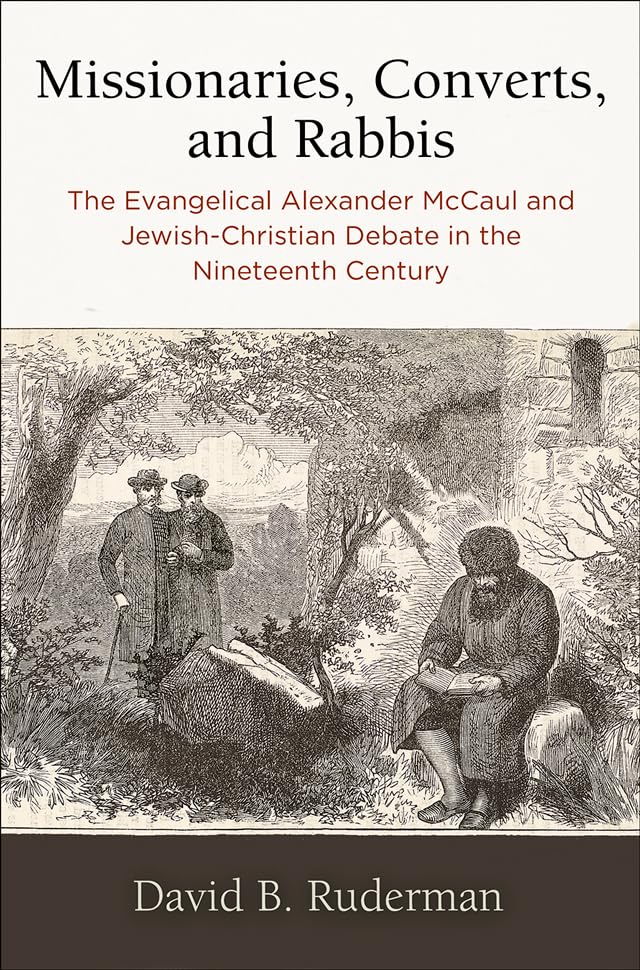
An Examination Of The Life And Work Of Alexander Mccaul And His Impact On Jewishchristian Relationsin Missionaries, Converts, And Rabbis, David B. Ruderman Considers The Life And Works Of Prominent Evangelical Missionary Alexander Mccaul (17991863), Who Was Sent To Warsaw By The London Society For The Promotion Of Christianity Amongst The Jews. He And His Family Resided There For Nearly A Decade, Which Afforded Him The Opportunity To Become A Scholar Of Hebrew And Rabbinic Texts. Returning To England, He Quickly Rose Up Through The Ranks Of Missionaries To Become A Leading Figure And Educator In The Organization And Eventually A Professor Of Postbiblical Studies At Kings College, London. In 1837, Mccaul Published The Old Paths, A Powerful Critique Of Rabbinic Judaism That, Once Translated Into Hebrew And Other Languages, Provoked Controversy Among Jews And Christians Alike.Ruderman First Examines Mccaul In His Complexity As A Hebraist Affectionately Supportive Of Jews While Opposing The Rabbis. He Then Focuses His Attention On A Larger Network Of His Associates, Both Allies And Foes, Who Interacted With Him And His Ideas: Two Converts Who Came Under His Influence But Eventually Broke From Him; Two Evangelical Colleagues Who Challenged His Aggressive Proselytizing Among The Jews; And, Lastly, Three Jewish Thinkerstwo Wellknown Scholars From Eastern Europe And A Rabbi From Syriawho Refuted His Charges Against The Rabbis And Constructed Their Own Justifications For Judaism In The Midnineteenth Century.Missionaries, Converts, And Rabbis Reconstructs A Broad Transnational Conversation Between Christians, Jews, And Those In Between, Opening A New Vista For Understanding Jewish And Christian Thought And The Entanglements Between The Two Faith Communities That Persist In The Modern Era. Extending The Geographical And Chronological Reach Of His Previous Books, Ruderman Continues His Exploration Of The Impact Of Jewishchristian Relations On Jewish Selfreflection And The Phenomenon Of Mingled Identities In Early Modern And Modern Europe.
⚠️ WARNING (California Proposition 65):
This product may contain chemicals known to the State of California to cause cancer, birth defects, or other reproductive harm.
For more information, please visit www.P65Warnings.ca.gov.
- Q: What is the main focus of 'Missionaries, Converts, and Rabbis'? A: 'Missionaries, Converts, and Rabbis' primarily examines the life and work of Alexander McCaul, an evangelical missionary, and his influence on Jewish-Christian relations in the nineteenth century.
- Q: Who is the author of this book? A: The book is authored by David B. Ruderman, who explores the complexities of McCaul's interactions with both Jewish and Christian communities.
- Q: What type of binding does this book have? A: 'Missionaries, Converts, and Rabbis' is available in a hardcover binding, providing durability and a professional appearance.
- Q: How many pages does the book contain? A: The book contains a total of 280 pages.
- Q: When was 'Missionaries, Converts, and Rabbis' published? A: The book was published on May 1, 2020.
- Q: Is this book suitable for academic study? A: Yes, the book offers a scholarly examination of historical interactions between Jews and Christians, making it suitable for academic study in religious and cultural contexts.
- Q: What themes are covered in the book? A: The book covers themes of missionary work, Jewish-Christian debates, and the complexities of identity and self-reflection among these communities during the nineteenth century.
- Q: Does the book include any critiques of rabbinic Judaism? A: Yes, it discusses McCaul's critiques of rabbinic Judaism, particularly through his publication 'The Old Paths', which sparked controversy.
- Q: What can readers expect to learn from this book? A: Readers can expect to gain insights into the historical context of Jewish-Christian relations, the role of missionaries, and the perspectives of both Jewish and Christian thinkers in the nineteenth century.
- Q: Is the book written for a general audience or specialists? A: While it includes scholarly analysis, the writing is accessible to both general readers and specialists interested in Jewish-Christian relations.