
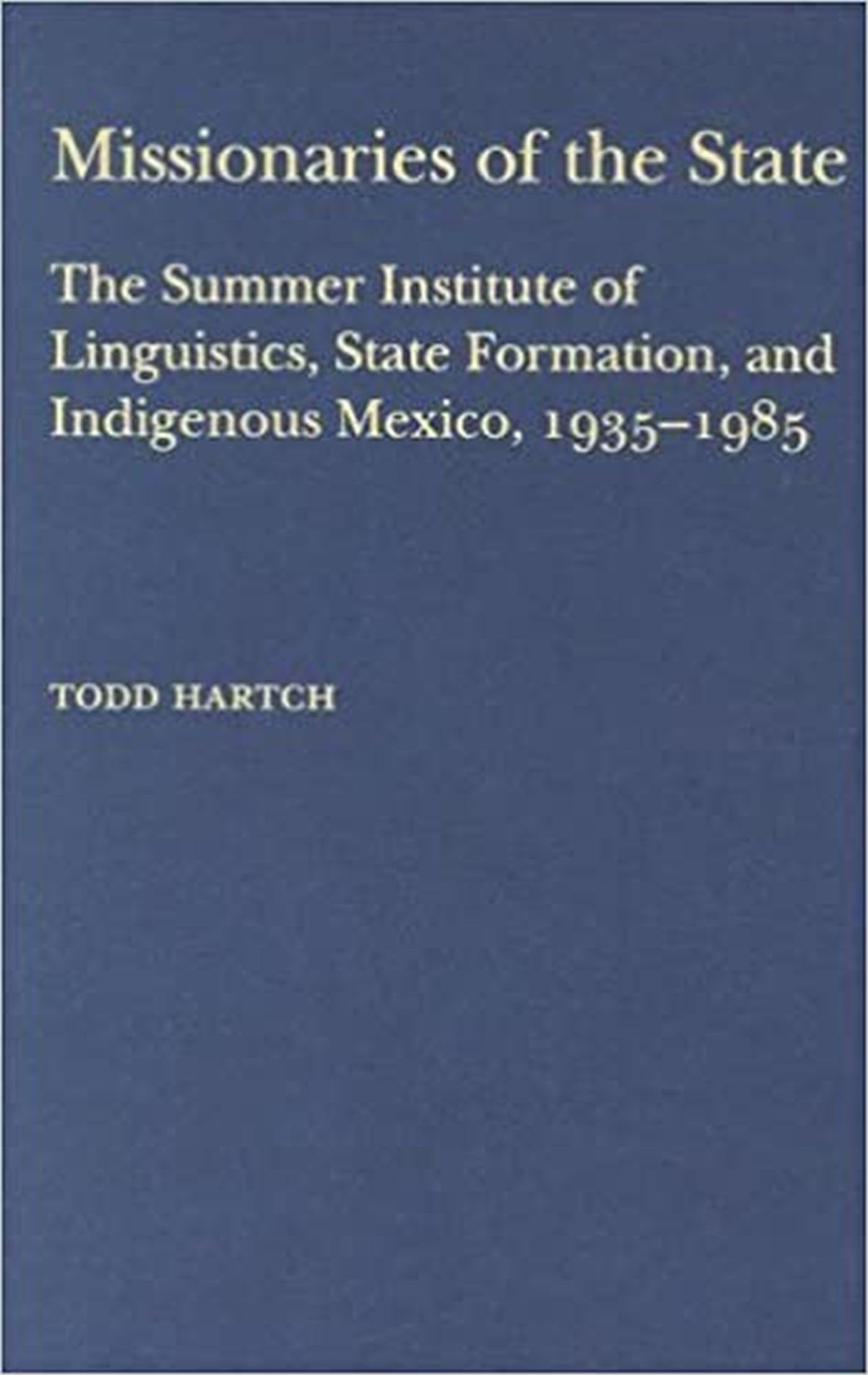
Title
Missionaries Of The State: The Summer Institute Of Linguistics, State Formation, And Indigenous Mexico, 19351985,Used
Sold by Ergodebooks, an authorized reseller.
Returns accepted within 30 days | support@ergodebooks.com
Shipping Information
- Free Standard Shipping — United States only
- Processing Time: 3–5 business days
- Estimated Delivery: 6–10 business days after dispatch
- Double-boxed, fully insured & discreetly packaged
- Tracking number sent via email once dispatched
Returns & Refund
Returns accepted within 30 days of delivery.
Damaged or Defective Item
Free return shipping + replacement or full refund
Wrong Item Received
Free return shipping + replacement or full refund
Change of Mind
Return shipping at customer's expense · 25% restocking fee applies
Payment Option

An account of American missionary activity abetted by Mexican nationalists.Lzaro Crdenas, president of Mexico 193440, is widely remembered as the most nationalistic and populist Mexican executive and was demonized by foreign investors scandalized by his nationalization programs, particularly in the oil industry. Less well known are his efforts to Mexicanize indigenous populations and to reduce the power of the conservative Catholic hierarchy by encouraging anticlericalism and Protestant evangelical activity. Common aims therefore united Crdenas and Cameron Townsend, an American Protestant missionary.With the support of Crdenas and likeminded Mexican officials, Townsend formed the Summer Institute of Linguistics, or SIL, a training school for Protestant missionaries who undertook to learn indigenous languages and to translate the Bible into those tongues. The official justification of this project was that the Indians new vernacular literacy would serve as a bridge to learning Spanish and thus to assimilation into the larger national population. If at the same time Townsends linguists also served as evangelists of a fundamentalist form of Protestantism, so much the better; in doing so, the SIL effort would undermine the Catholic hierarchy, which was seen as a rival of the Mexican state and its plans for secular national development.This unusual yet enduring alliance of a national government not known for friendship to foreigners and an unlikely collection of North Americans who united scholarship, political savvy, and religious zeal is this books topic. The author relates the development of the SIL from its close association with official Mexico in the early 1930s to the late 1970s, when a growing antiSIL alliance led by a new generation of Mexican anthropologists induced the Mexican government to curtail its support for the SIL.Hartch contributes objectivity to a topic that has been dominated by the polemics of either SIL supporters or opponents, recognizing the selfinterest that actuated all parties, but also acknowledging that SIL, whether or not it meant to, empowered and enriched many indigenous communities through the provision of literacy.
⚠️ WARNING (California Proposition 65):
This product may contain chemicals known to the State of California to cause cancer, birth defects, or other reproductive harm.
For more information, please visit www.P65Warnings.ca.gov.