If you have any questions, you are always welcome to contact us. We'll get back to you as soon as possible, withing 24 hours on weekdays.
Customer service
All questions about your order, return and delivery must be sent to our customer service team by e-mail at yourstore@yourdomain.com
Sale & Press
If you are interested in selling our products, need more information about our brand or wish to make a collaboration, please contact us at press@yourdomain.com
Help
If you have any questions, you are always welcome to contact us. We'll get back to you as soon as possible, withing 24 hours on weekdays.
Customer service
All questions about your order, return and delivery must be sent to our customer service team by e-mail at yourstore@yourdomain.com
Sale & Press
If you are interested in selling our products, need more information about our brand or wish to make a collaboration, please contact us at press@yourdomain.com
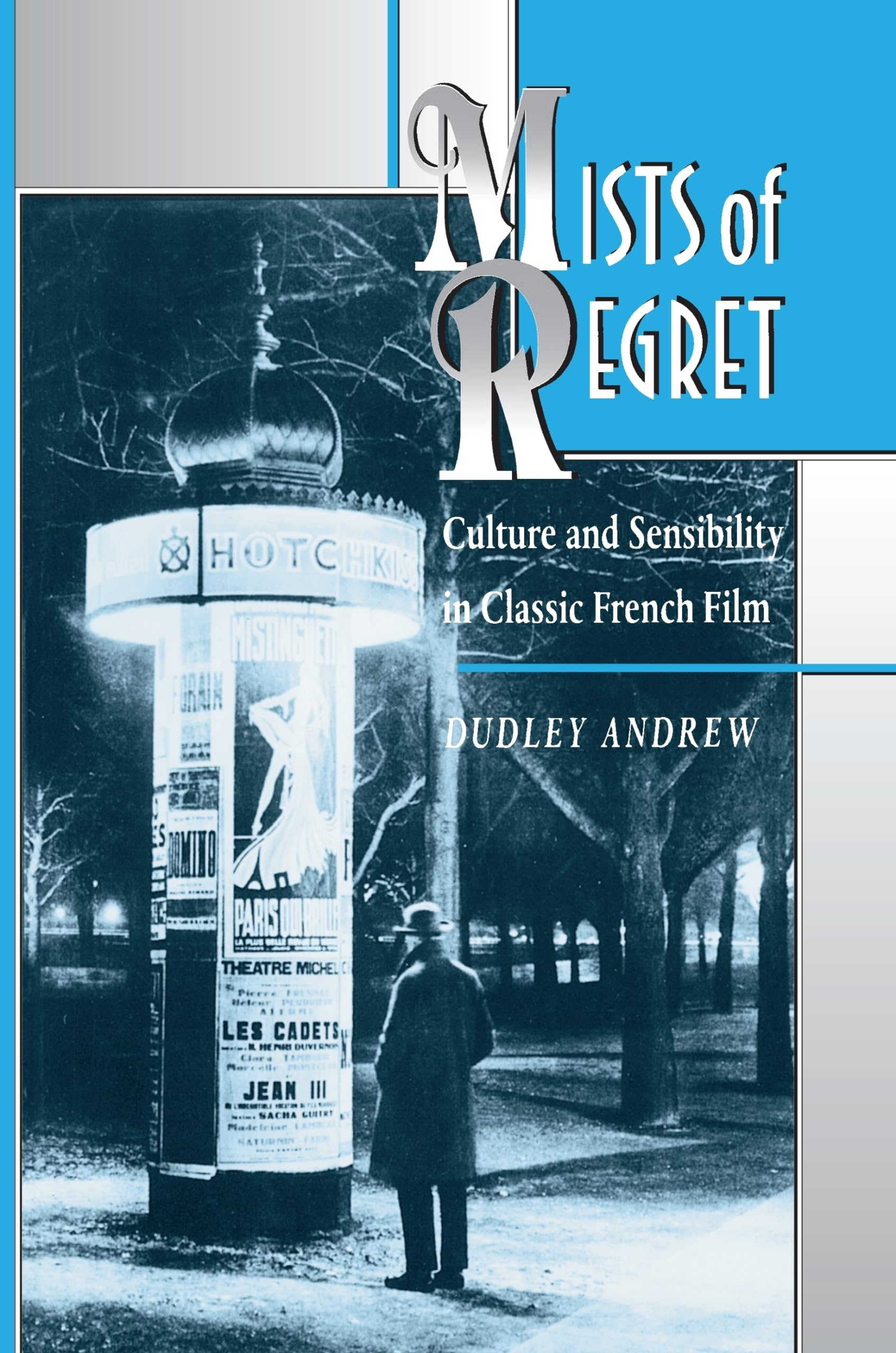
Just before World War II, French cinema reached a high point that has been dubbed the style of 'poetic realism.' Working with unforgettable actors like Jean Gabin and Arletty, directors such as Renoir, Carn, Gremillon, Duvivier, and Chenal routinely captured the prizes for best film at every festival and in every country, and their accomplishments led to general agreement that the French were the first to give maturity to the sound cinema. Here the distinguished film scholar Dudley Andrew examines the motivations and consequences of these remarkable films by looking at the cultural web in which they were made.Beyond giving a rich view of the life and worth of cinema in France, Andrew contributes substantially to our knowledge of how films are dealt with in history. Where earlier studies have treated the masterpieces of this era either in themselves or as part of the vision of their creators, and where certain recent scholars have reacted to this by dissolving the masterpieces back into the system of entertainment that made them possible, Andrew stresses the dialogue of culture and cinema. In his view, the films open questions that take us into the culture, while our understanding of the culture gives energy, direction, and consequence to our reading of the films. The book demonstrates the value of this hermeneutic approach for one set of texts and one period, but it should very much interest film theorists and film historians of all sorts.
⚠️ WARNING (California Proposition 65):
This product may contain chemicals known to the State of California to cause cancer,
birth defects, or other reproductive harm.
For MAP (Minimum Advertised Price) violations and Intellectual Property (IP) or Trademark concerns, please contact:
support@ergodebooks.com
⚠️ California Proposition 65 Warning: Some products sold on this website may expose you to chemicals known to the State of California to cause cancer, birth defects, or other reproductive harm. For more information, visit www.P65Warnings.ca.gov.