
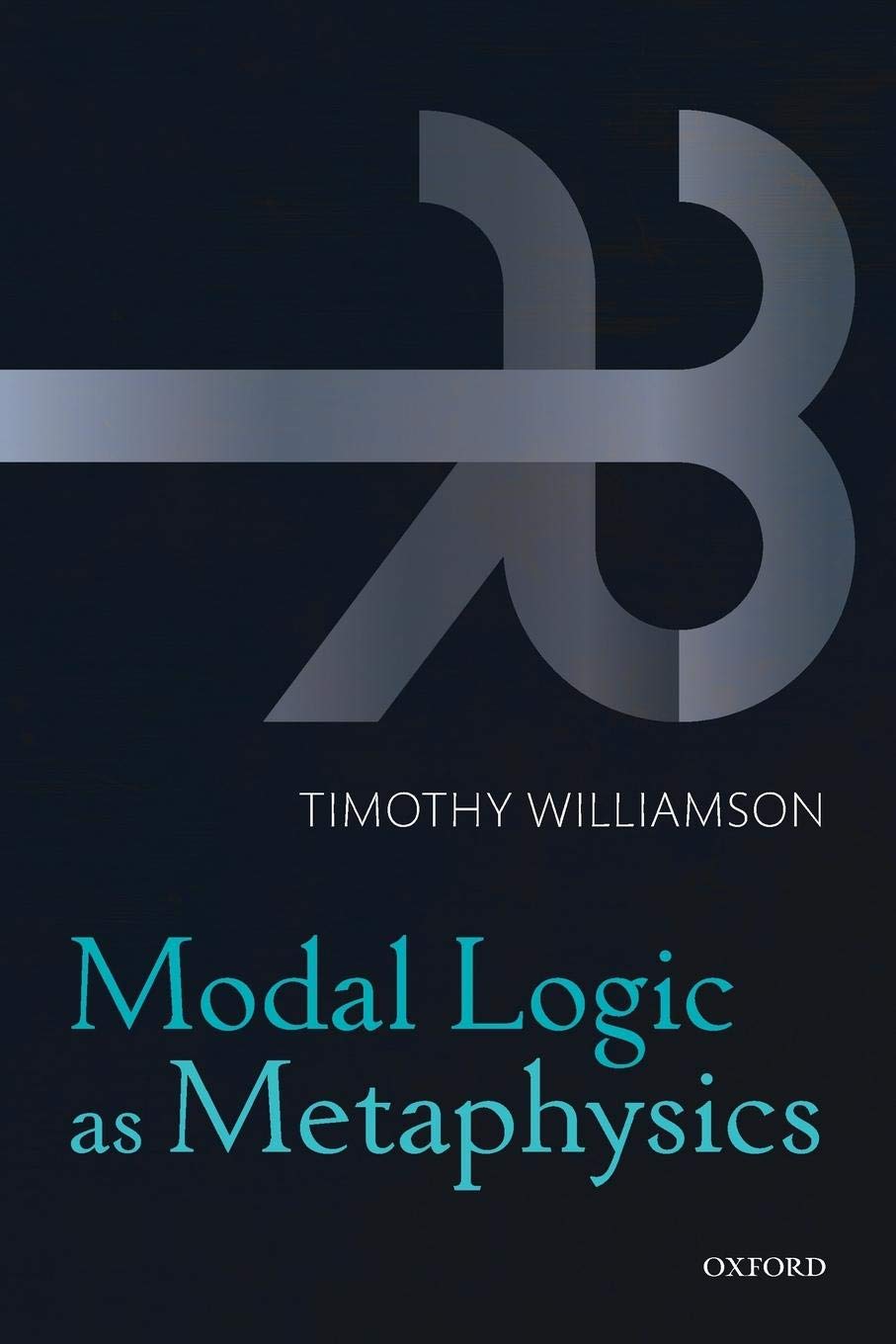
Title
Modal Logic as Metaphysics,Used
Sold by Ergodebooks, an authorized reseller.
Returns accepted within 30 days | support@ergodebooks.com
Shipping Information
- Free Standard Shipping — United States only
- Processing Time: 3–5 business days
- Estimated Delivery: 6–10 business days after dispatch
- Double-boxed, fully insured & discreetly packaged
- Tracking number sent via email once dispatched
Returns & Refund
Returns accepted within 30 days of delivery.
Damaged or Defective Item
Free return shipping + replacement or full refund
Wrong Item Received
Free return shipping + replacement or full refund
Change of Mind
Return shipping at customer's expense · 25% restocking fee applies
Payment Option

Are there such things as merely possible people, who would have lived if our ancestors had acted differently? Are there future people, who have not yet been conceived? Questions like those raise deep issues about both the nature of being and its logical relations with contingency and change. In Modal Logic as Metaphysics, Timothy Williamson argues for positive answers to those questions on the basis of an integrated approach to the issues, applying the technical resources of modal logic to provide structural cores for metaphysical theories. He rejects the search for a metaphysically neutral logic as futile. The book contains detailed historical discussion of how the metaphysical issues emerged in the twentieth century development of quantified modal logic, through the work of such figures as Rudolf Carnap, Ruth Barcan Marcus, Arthur Prior, and Saul Kripke. It proposes higherorder modal logic as a new setting in which to resolve such metaphysical questions scientifically, by the construction of systematic logical theories embodying rival answers and their comparison by normal scientific standards. Williamson provides both a rigorous introduction to the technical background needed to understand metaphysical questions in quantified modal logic and an extended argument for controversial, provocative answers to them. He gives original, precise treatments of topics including the relation between logic and metaphysics, the methodology of theory choice in philosophy, the nature of possible worlds and their role in semantics, plural quantification compared to quantification into predicate position, communication across metaphysical disagreement, and problems for truthmaker theory.
⚠️ WARNING (California Proposition 65):
This product may contain chemicals known to the State of California to cause cancer, birth defects, or other reproductive harm.
For more information, please visit www.P65Warnings.ca.gov.