If you have any questions, you are always welcome to contact us. We'll get back to you as soon as possible, withing 24 hours on weekdays.
Customer service
All questions about your order, return and delivery must be sent to our customer service team by e-mail at yourstore@yourdomain.com
Sale & Press
If you are interested in selling our products, need more information about our brand or wish to make a collaboration, please contact us at press@yourdomain.com
Help
If you have any questions, you are always welcome to contact us. We'll get back to you as soon as possible, withing 24 hours on weekdays.
Customer service
All questions about your order, return and delivery must be sent to our customer service team by e-mail at yourstore@yourdomain.com
Sale & Press
If you are interested in selling our products, need more information about our brand or wish to make a collaboration, please contact us at press@yourdomain.com
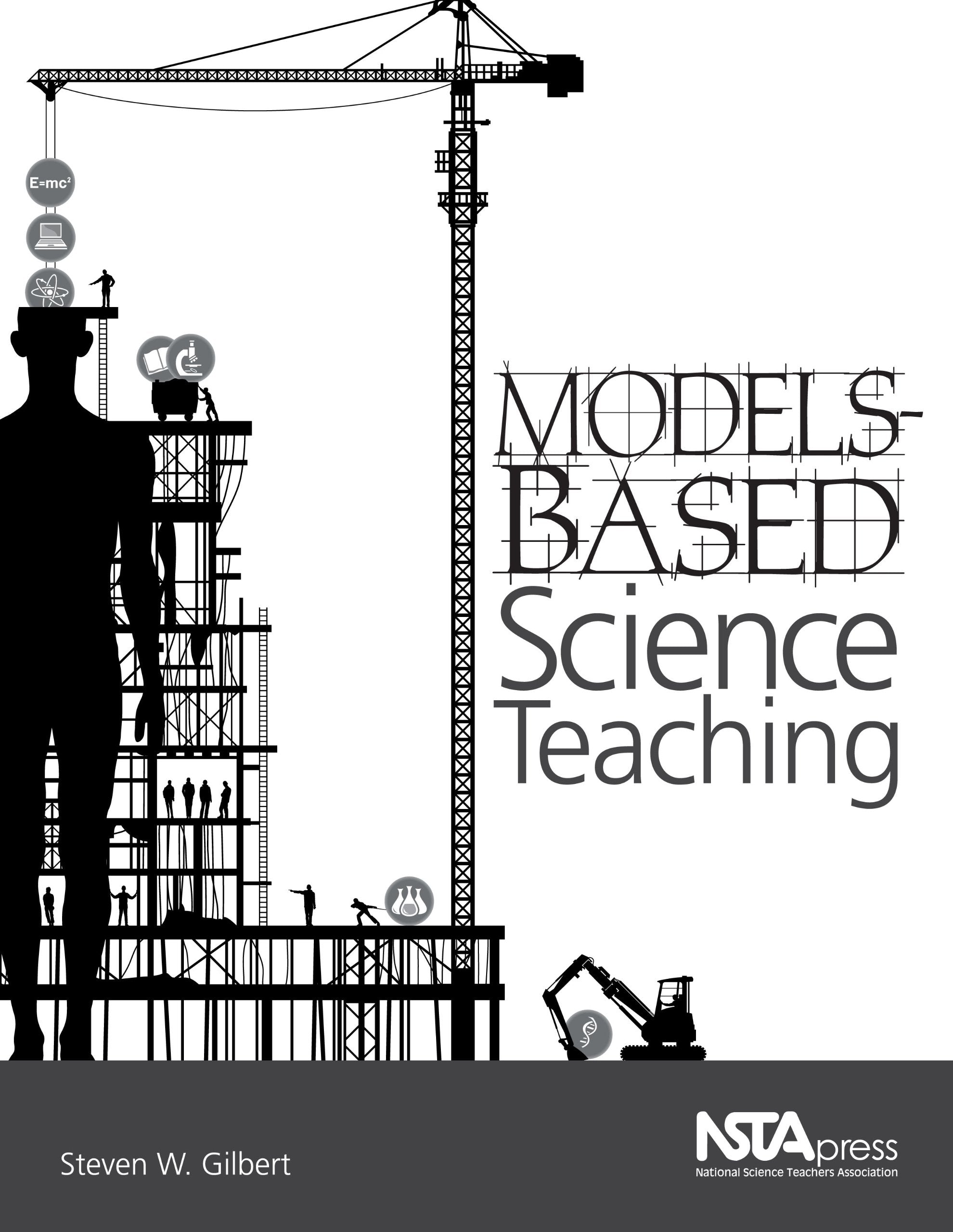
Humans perceive the world by constructing mental modelstelling a story, interpreting a map, reading a book. Every way we interact with the world involves mental models, whether creating new ones or building on existing models with the introduction of new information. In ModelsBased Science Teaching, author and educator Steven Gilbert explores the concept of mental models in relation to the learning of science and how we can apply this understanding when we teach science. Practicing science teachers at all levels who want to explore new and better ways to frame and model science will find value in this book. ModelsBased Science Teaching is concerned with building models of learning that help students of all ages understand four basic ideas:Learning involves constructing mental models that are by nature simplified and subject to change.These models are adopted because they work and not necessarily because they are the only true and most effective ways of understanding the world.No one has a complete grasp of any model, and most of the time we are working with approximations of a situation.What we create when we communicate are expressions of our inner mental models.Rather than advocating a rigid curriculum, Gilbert asserts that modelsbased science teaching embraces the creativity inherent in science and in learning, saying, The best way to engage students in the creativity of science is to engage them in inquiry, beginning with the creation of a problem and ending with a completed expressed model.
⚠️ WARNING (California Proposition 65):
This product may contain chemicals known to the State of California to cause cancer,
birth defects, or other reproductive harm.
For MAP (Minimum Advertised Price) violations and Intellectual Property (IP) or Trademark concerns, please contact:
support@ergodebooks.com
⚠️ California Proposition 65 Warning: Some products sold on this website may expose you to chemicals known to the State of California to cause cancer, birth defects, or other reproductive harm. For more information, visit www.P65Warnings.ca.gov.